




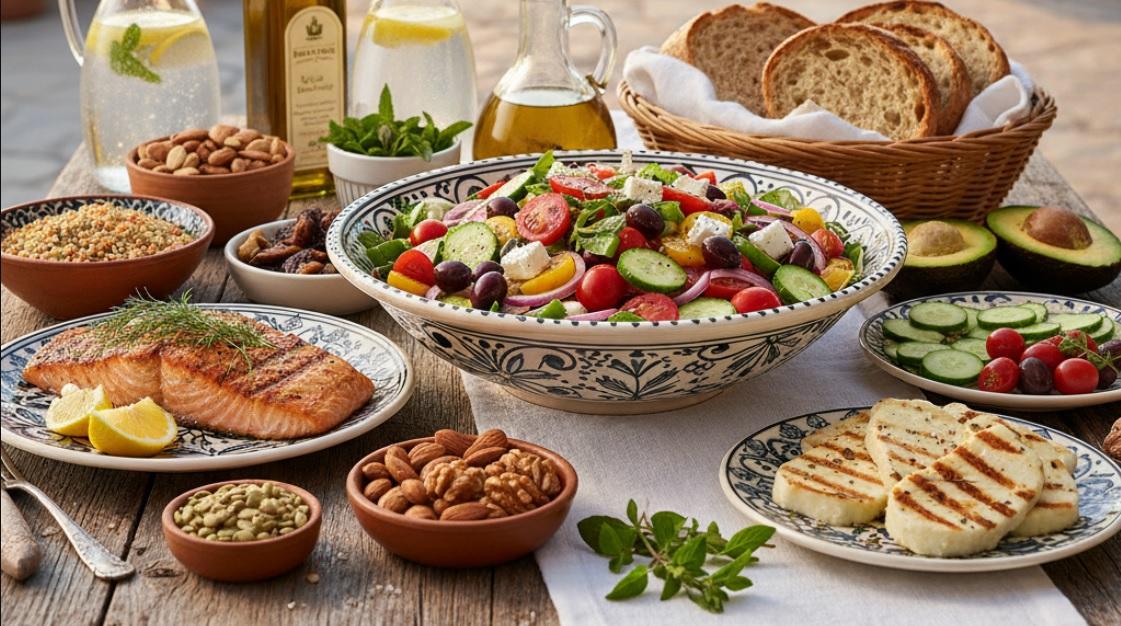
If you've ever searched for a healthy way to eat that doesn't feel like a punishment, you've probably heard of the Mediterranean diet. It's not a fad. It's not a strict meal plan with forbidden foods. Instead, it's a lifestyle rooted in the traditional eating habits of people living near the Mediterranean Sea, places like Greece, Italy, and southern Spain. For decades, these communities have enjoyed long, healthy lives, and scientists believe their diet plays a big part in that. But is it right for you? This review breaks down what the Mediterranean diet really is, how it works, and whether it can help you feel better, lose weight, or simply eat more joyfully.
What Exactly Is the Mediterranean Diet?
The Mediterranean diet isn't about counting calories or cutting out entire food groups. You won't find shakes, pills, or special pre-packaged meals. Instead, it focuses on whole, minimally processed foods that are rich in nutrients and flavor. Think fresh vegetables, fruits, whole grains, beans, nuts, olive oil, fish, and herbs. Red meat appears rarely, and sweets are occasional treats-not daily staples.
You eat this way not to "diet" in the short-term sense, but to build habits you can stick with for years. There's no start or end date. It's more like choosing a different relationship with food-one based on enjoyment, balance, and respect for your body.
Core Foods in the Mediterranean Diet
Every meal on this plan centers around real, recognizable ingredients. Here's what you'll eat most often:
- Vegetables: Leafy greens, tomatoes, eggplants, zucchini, peppers, onions-eaten daily, often roasted, grilled, or tossed in olive oil.
- Fruits: Apples, oranges, grapes, figs, berries, and melons as natural desserts or snacks.
- Whole grains: Brown rice, oats, barley, farro, and whole-wheat bread or pasta.
- Healthy fats: Extra virgin olive oil is the main fat source-used for cooking, dressing salads, and drizzling over dishes.
- Legumes: Beans, lentils, and chickpeas provide plant-based protein and fiber.
- Nuts and seeds: Almonds, walnuts, sunflower seeds-eaten in small portions for crunch and nutrition.
- Fish and seafood: Eaten at least twice a week, especially fatty fish like salmon, sardines, and mackerel.
- Herbs and spices: Garlic, oregano, rosemary, basil, and turmeric replace salt and add bold flavor.
Dairy shows up in moderation-mostly as yogurt and cheese like feta or mozzarella. Poultry and eggs appear a few times a week. Red meat? Maybe once a month. And wine? A small glass with dinner is common in Mediterranean cultures, but it's optional-and not recommended if you don't already drink.
How the Mediterranean Diet Supports Your Health
This way of eating has been studied more than almost any other dietary pattern. Researchers consistently link it to lower risks of heart disease, type 2 diabetes, stroke, and even Alzheimer's. But how does it actually help you feel better day to day?
1. Keeps Your Heart Strong
Olive oil, nuts, and fatty fish are rich in unsaturated fats that help lower "bad" LDL cholesterol and raise "good" HDL cholesterol. Less inflammation and better blood pressure often follow.
2. Helps Manage Weight Naturally
You won't starve on this diet. High-fiber foods like vegetables, beans, and whole grains keep you full longer, so you're less likely to snack on junk. Many people lose weight without counting a single calorie-just by swapping processed foods for real ones.
3. Stabilizes Blood Sugar
Because meals are balanced with fiber, healthy fats, and protein, your blood sugar rises slowly and steadily. That means fewer energy crashes and fewer cravings for sweets or carbs.
4. Boosts Brain Health
Antioxidants from fruits, vegetables, and olive oil may protect brain cells over time. Some studies suggest people who follow this diet have a lower risk of memory decline as they age.
5. Makes Meals Enjoyable
Unlike restrictive diets, the Mediterranean approach celebrates food. Meals are colorful, flavorful, and meant to be shared. You don't feel deprived-you feel satisfied.
What Real People Experience
Many who switch to the Mediterranean diet report feeling more energetic within weeks. One woman in her 50s said her afternoon fatigue disappeared after cutting out sugary snacks and eating more vegetables and olive oil. A man in his 60s lowered his blood pressure enough to reduce his medication-under his doctor's supervision.
Weight loss tends to be gradual-1 to 2 pounds per week-but it sticks because the changes are sustainable. People also mention better digestion, clearer skin, and even improved mood. That last one might come from eating more omega-3s (from fish) and fewer processed foods that can trigger inflammation.
Of course, results depend on how closely you follow the pattern. If you eat pasta every night but skip the veggies and olive oil, you won't get the full benefits.
Pros and Cons of the Mediterranean Diet
Like any eating style, this one has strengths and challenges. Here's a fair look at both sides:
Pros
- No calorie counting or strict rules
- Emphasizes delicious, satisfying foods
- Backed by decades of scientific research
- Supports long-term weight management
- Reduces risk of chronic diseases
- Flexible and adaptable to different tastes
- Encourages cooking at home and mindful eating
Cons
- May cost more than a diet heavy in processed foods (though beans and grains are cheap)
- Requires planning and cooking-less convenient than fast food
- Some people miss red meat or sugary treats at first
- Not automatically low-carb-those managing diabetes should monitor portions
- Wine inclusion may confuse or tempt those avoiding alcohol
Who Is This Diet Best For?
You'll likely thrive on the Mediterranean diet if you want a healthy way to eat that doesn't feel like a diet. It's great for people with high cholesterol, prediabetes, or a family history of heart disease. It's also ideal if you enjoy cooking, trying new recipes, or eating with family and friends.
However, it might be harder if you're used to eating out often, rely on frozen meals, or dislike vegetables. That doesn't mean you can't adapt-it just means you'll need to take small steps. Start by adding one extra serving of veggies a day or swapping butter for olive oil.
Vegetarians and vegans can follow a modified version by focusing on plant proteins like lentils, tofu, and nuts. Just make sure you get enough B12 and iron from fortified foods or supplements if needed.
Simple Tips to Start the Mediterranean Diet
You don't need to overhaul your kitchen overnight. Try these easy changes:
- Use extra virgin olive oil instead of butter or margarine.
- Add a handful of spinach or tomatoes to your morning eggs.
- Snack on a small handful of almonds or an apple with peanut butter.
- Swap white rice or pasta for brown rice, quinoa, or whole-wheat versions.
- Eat fish twice a week-try canned sardines or salmon if fresh is expensive.
- Make one meatless dinner per week using beans or lentils as the main protein.
- Season food with herbs and spices instead of salt.
Focus on progress, not perfection. Even eating this way 70% of the time brings benefits.
Common Myths About the Mediterranean Diet
Some people think it's all pasta and bread-but that's not true. Traditional Mediterranean eating includes grains, yes, but in moderate portions and always paired with vegetables, healthy fats, and protein. Another myth is that it's expensive. While olive oil and fish cost more than ramen, beans, seasonal produce, and eggs are budget-friendly staples.
Also, this diet isn't just for Europeans. You can follow it anywhere in the world using local, affordable ingredients. The spirit matters more than exact geography.
Conclusion
If you're tired of yo-yo dieting and want a way to eat that feels good now and protects your health later, the Mediterranean diet is one of the best choices you can make. It won't promise 20 pound losses in 20 days. But it offers something more valuable: a sustainable, joyful, and science-backed path to wellness.
You don't need special products or memberships. Just real food, simple cooking, and a willingness to slow down and enjoy your meals. Over time, that shift can change more than your weight, it can change how you feel every single day.
Give it a try for one month. Cook a few new recipes, fill half your plate with vegetables, and see how you feel. You might be surprised by how good "healthy" can taste.


