




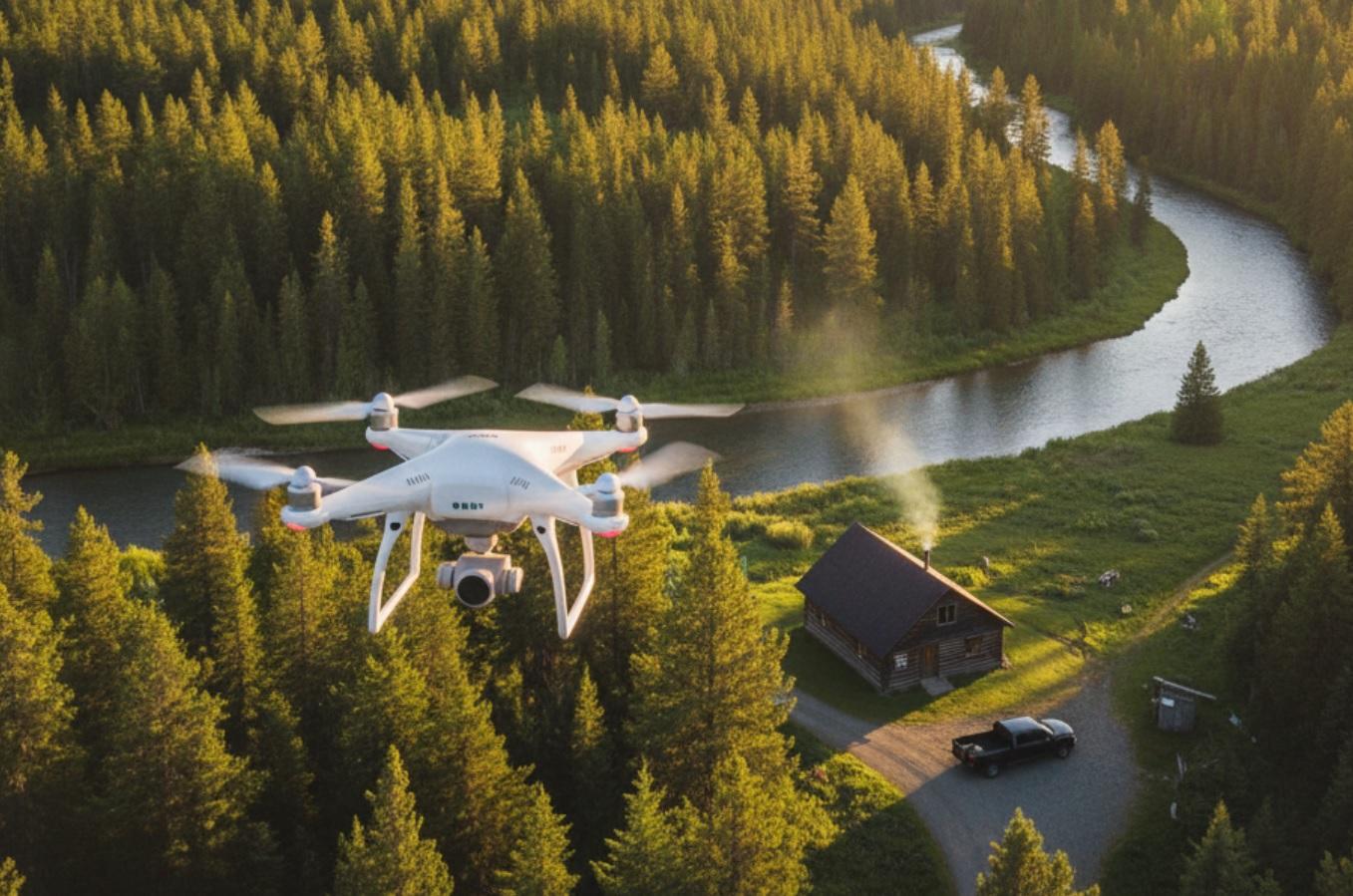
Choosing a camera drone can feel confusing with so many models, features, and prices from budget to high-end. No matter your experience level, there’s a drone that can work for you. This guide looks at drones that are easy to find, have good reviews, and offer real value. You’ll learn what each one does best and where it may fall short.
What Makes a Good Camera Drone?
Before diving into specific models, it helps to know what really matters. A good drone isn't just about how high it flies. You want clear video, stable flight, and enough battery to actually enjoy your time in the air. Look for these key features:
- Camera quality: At least 1080p video, but 4K is better if you can afford it.
- Flight time: Anything under 15 minutes feels rushed. Aim for 20+ minutes.
- Range: How far the drone can fly from you while still responding to controls.
- Stability: GPS, altitude hold, and obstacle sensors make flying easier and safer.
- Portability: Smaller drones are easier to carry but may sacrifice some performance.
You don't need all the bells and whistles right away. Start simple, learn the basics, and upgrade later if needed.
Top Picks for 2024
DJI Mini 3 Pro
If you want one drone that does almost everything well, this is it. The DJI Mini 3 Pro weighs under 250 grams, which means you often don't need to register it. That's a big plus for casual flyers. The camera shoots sharp 4K video with excellent color and detail, even in lower light. You get around 34 minutes of flight time with the standard battery, and up to 47 minutes with the optional extended one.
It includes obstacle avoidance on three sides-front, back, and down-so you're less likely to crash into trees or walls. The controller feels solid in your hands, and the live video feed is smooth and responsive.
Pros:
- Lightweight and travel-friendly
- Excellent 4K video quality
- Strong battery life
- Reliable obstacle sensing
Cons:
- Price is higher than beginner models
- No side obstacle sensors
Autel Evo Nano+
This drone flies under the radar for many people, but it shouldn't. The Autel Evo Nano+ packs a 48MP camera and records 4K video at 30fps. Colors look natural, and the image stabilization works well even in mild wind. It weighs just under 250 grams, so again, registration isn't usually required.
One standout feature is its vertical video mode-perfect if you post to social media. The remote controller has a built-in screen, so you don't need to use your phone. That's convenient and reduces setup time.
Pros:
- Built-in screen on controller
- Great for vertical video
- Strong image quality
- No phone needed to fly
Cons:
- Shorter flight time (around 28 minutes)
- Less brand recognition than DJI
Ryze Tello
If you're new to drones or buying one for a teen, the Tello is a smart starting point. It's small, durable, and costs far less than most camera drones. The camera isn't 4K-it only shoots 720p-but it's more than enough for learning basic flight and capturing fun moments.
What really sets it apart is how easy it is to fly. It has automatic takeoff and landing, plus a "throw and go" feature: toss it gently into the air, and it starts flying. You can even program it with Scratch, making it a great educational tool.
Pros:
- Very affordable
- Great for beginners
- Durable and lightweight
- Fun programming features
Cons:
- Limited camera quality
- No GPS or obstacle avoidance
- Short range (about 100 meters)
DJI Air 3
For those ready to step up, the DJI Air 3 offers serious performance. It features dual cameras: a standard wide-angle and a 3x telephoto lens. This gives you creative flexibility without needing to fly closer to your subject. Video quality is outstanding, with 4K at 60fps and support for HDR.
Battery life hits about 46 minutes, which is impressive. It also includes full obstacle avoidance-front, back, up, down, and sides-making it one of the safest drones in its class. The controller is comfortable, and the video feed stays clear even at long distances.
Pros:
- Dual-camera system
- Long flight time
- Complete obstacle sensing
- Professional-grade video
Cons:
- Heavier than Mini series (requires registration in many places)
- Higher price tag
Holy Stone HS720E
If you want solid performance without paying premium prices, the Holy Stone HS720E is worth a look. It records 4K video and includes GPS for stable hovering. Flight time is around 26 minutes, and the range reaches up to 1 kilometer.
The drone folds for easy transport, and the controller feels sturdy. It doesn't have obstacle avoidance, so you'll need to fly carefully. Still, for the price, it delivers strong value-especially if you're on a tighter budget but still want 4K footage.
Pros:
- Good 4K video for the price
- Foldable design
- Decent flight time and range
Cons:
- No obstacle avoidance
- Image quality not as sharp as DJI or Autel
How to Choose the Right One for You
Your ideal drone depends on what you plan to do with it. Ask yourself a few simple questions:
- Are you flying just for fun, or do you need high-quality footage?
- Will you travel with it often?
- Do you mind spending more for safety features like obstacle sensing?
- Is this your first drone?
If you're just starting out, go with something simple and forgiving like the Tello. If you're serious about photography or videography, invest in the Mini 3 Pro or Air 3. Budget-conscious flyers who still want 4K should consider the Holy Stone HS720E.
Also, remember that extra batteries, propeller guards, and carrying cases can add to your total cost. Factor those in before you decide.
Comparison Table
| Drone Model | Video Quality | Flight Time | Weight | Obstacle Avoidance | Best For |
|---|---|---|---|---|---|
| DJI Mini 3 Pro | 4K | 34-47 min | <250g | Front, Back, Down | Travelers, hobbyists, content creators |
| Autel Evo Nano+ | 4K | 28 min | <250g | Front, Back, Down | Social media users, beginners wanting quality |
| Ryze Tello | 720p | 13 min | 80g | None | Beginners, kids, educators |
| DJI Air 3 | 4K/60fps HDR | 46 min | 720g | All directions | Advanced users, professionals |
| Holy Stone HS720E | 4K | 26 min | 570g | None | Budget-conscious flyers |
Each of these drones has earned high ratings from real users. They're reliable and widely available.
Take your time. Watch a few demo videos. Read user reviews not just the five-star ones, but the three and four star ones too. Those often give the most honest picture of what daily use is really like.


