




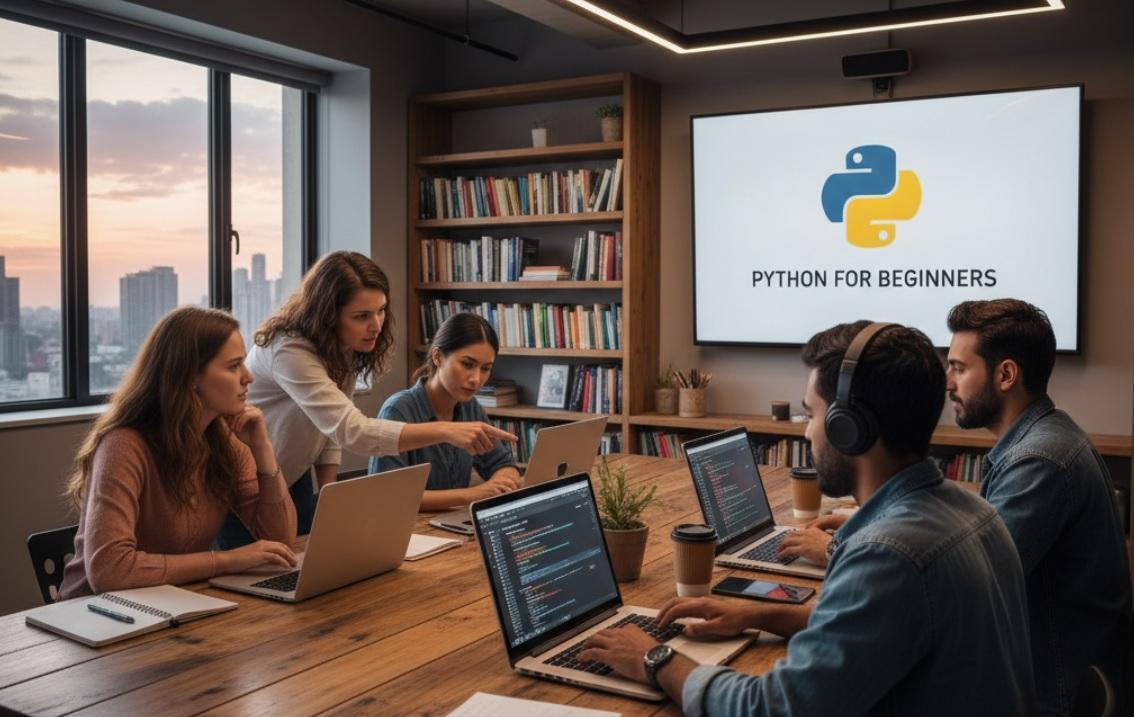
Learning to code felt impossible at first. I stared at lines of strange symbols and commands, wondering how anyone made sense of it all. But then I tried Codecademy, and everything changed. If you've ever thought programming was only for geniuses or people with computer science degrees, let me tell you-anyone can learn Python. I did, and you can too.
Why I Chose Python
Before I even opened a coding website, I asked myself: which language should I start with? There are so many options-JavaScript, Java, C++, Ruby. But everyone kept saying the same thing: start with Python. It's clean, simple, and used everywhere. From websites to data science, from automation to artificial intelligence, Python shows up again and again.
More importantly, Python reads almost like English. You don't need to memorize weird symbols or complex syntax rules right away. That made it feel less scary. I wanted a language that would let me focus on learning how to think like a programmer, not just memorize commands. Python gave me that chance.
My First Steps with Codecademy
I found Codecademy through a friend who had just landed a tech job. He told me he started exactly where I was-confused, curious, and completely new. So I signed up. No credit card needed for the basic plan. That was a relief. I didn't want to spend money before knowing if I'd even like it.
The first lesson asked me to print "Hello, World!" to the screen. It felt silly at first-why would anyone care about that? But then I realized: this tiny line of code was proof that I could talk to the computer. I gave it a command, and it listened. That moment hooked me.
What Made Codecademy Work for Me
Codecademy wasn't like watching a video or reading a textbook. It put me right into the action. Every lesson had a small coding window where I typed real Python code. The site checked my work instantly. If I made a mistake, it told me what went wrong-and how to fix it.
Here's what stood out:
- Hands-on practice from minute one. No long lectures. Just code, feedback, and progress.
- Short lessons. Each one took 5 to 15 minutes. Perfect for lunch breaks or late-night curiosity.
- Clear explanations. They used everyday words, not tech jargon.
- Instant feedback. I never felt lost for long. Help was always one click away.
- Real projects. After a few weeks, I built a simple tip calculator, then a number guessing game.
Most importantly, I never felt alone. The platform guided me like a patient teacher-never rushing, never judging. That made all the difference when I hit confusing topics like loops or functions.
The Tough Parts (and How I Got Through Them)
Not everything came easily. Some lessons made me want to quit. Functions confused me at first. I didn't understand why I'd write a block of code just to use it later. Then I built a small quiz app, and it clicked: functions save time and reduce mistakes.
Loops were another hurdle. The idea of repeating code felt abstract until I used a loop to print a list of names or add up numbers. Seeing the result made the concept real.
When I got stuck, I did three things:
- I re-read the instructions slowly. Often, I missed a tiny detail.
- I looked at the hints. Codecademy offers gentle nudges, not full answers.
- I took a break. Walking away for 10 minutes cleared my head every time.
You don't need to understand everything the first time. Programming is like learning a new sport-you improve with repetition, not perfection.
How I Stayed Motivated
At first, motivation came from curiosity. But after a few weeks, that wasn't enough. I needed a reason to keep going. So I set small goals:
- Finish one lesson every day.
- Build one mini-project each week.
- Explain what I learned to a friend (even if they didn't care).
Celebrating tiny wins kept me going. The day I wrote a program that asked for your name and age, then printed a custom message-that felt like magic. I showed it to my sister, and her smile reminded me why I started.
I also joined Codecademy's community forums. Reading other beginners' questions made me feel normal. Everyone struggles. Everyone makes typos. Everyone forgets a colon or a parenthesis. That shared experience built confidence.
What I Built Along the Way
Codecademy doesn't just teach syntax. It shows you how to use Python to solve real problems. Here are a few things I made during my journey:
- A Mad Libs generator. It asked for nouns, verbs, and adjectives, then created a silly story.
- A grade calculator. I entered test scores, and it told me my average.
- A password strength checker. It rated passwords based on length and character types.
- A weather app (with help). Using a free API, it showed the current temperature in my city.
Each project felt like a puzzle. I knew the pieces-I just had to figure out how to fit them together. And every time I succeeded, my brain lit up with pride.
Common Mistakes Beginners Make (and How to Avoid Them)
Looking back, I see patterns in my early struggles. If you're just starting, watch out for these traps:
Skipping the basics
It's tempting to jump to cool projects like games or websites. But without solid fundamentals-variables, conditionals, loops-you'll get stuck fast. Take your time with the early lessons. They're the foundation.
Copying code without understanding
Sometimes the answer is right there in the hint. But if you paste it without thinking, you won't learn. Always ask: why does this work? What would happen if I changed it?
Trying to memorize everything
You don't need to remember every command. Even experienced developers look things up. Focus on understanding concepts, not rote memory.
Comparing yourself to others
Someone on Reddit just built a robot with Python? Great for them. Your journey is yours alone. Progress matters more than speed.
How Long Did It Take Me?
I spent about 30 minutes a day, four days a week. After two months, I could write simple programs confidently. After four months, I tackled beginner data projects. There's no finish line in coding-just constant learning. But you'll be surprised how quickly you go from "What is a variable?" to "Look what I built!"
Consistency beats intensity. Ten focused minutes daily beats three hours once a month. Your brain needs time to absorb new ideas. Trust the process.
You Don't Need a Special Background
I never studied math beyond high school. I didn't grow up taking apart computers. I worked in retail before this. None of that mattered. What mattered was showing up, trying, failing, and trying again.
Programming is a skill, not a talent. You build it through practice, not magic. If you can follow a recipe, organize a playlist, or plan a road trip, you already have the logic needed for Python.
What Comes After Codecademy?
Once I finished the core Python course, I didn't stop. I explored other free resources:
- Automate the Boring Stuff with Python (free online book). It teaches practical scripts for everyday tasks.
- freeCodeCamp's YouTube tutorials. Great for visual learners.
- Building my own projects. I started small-a to-do list, a journal organizer-then grew from there.
Codecademy gave me the keys. Now I'm driving my own learning journey. You'll do the same.
Conclusion
Go to Codecademy, but first read Codecademy review. Sign up for the free Python course. Type your first line of code. See what happens. That's how every programmer begins.
Some days will feel hard. Some lessons will confuse you. That's normal. Keep going. Every expert was once a beginner staring at a blank screen, wondering if they could do it.
You can. I did. And if I can learn Python on Codecademy, so can you.


