




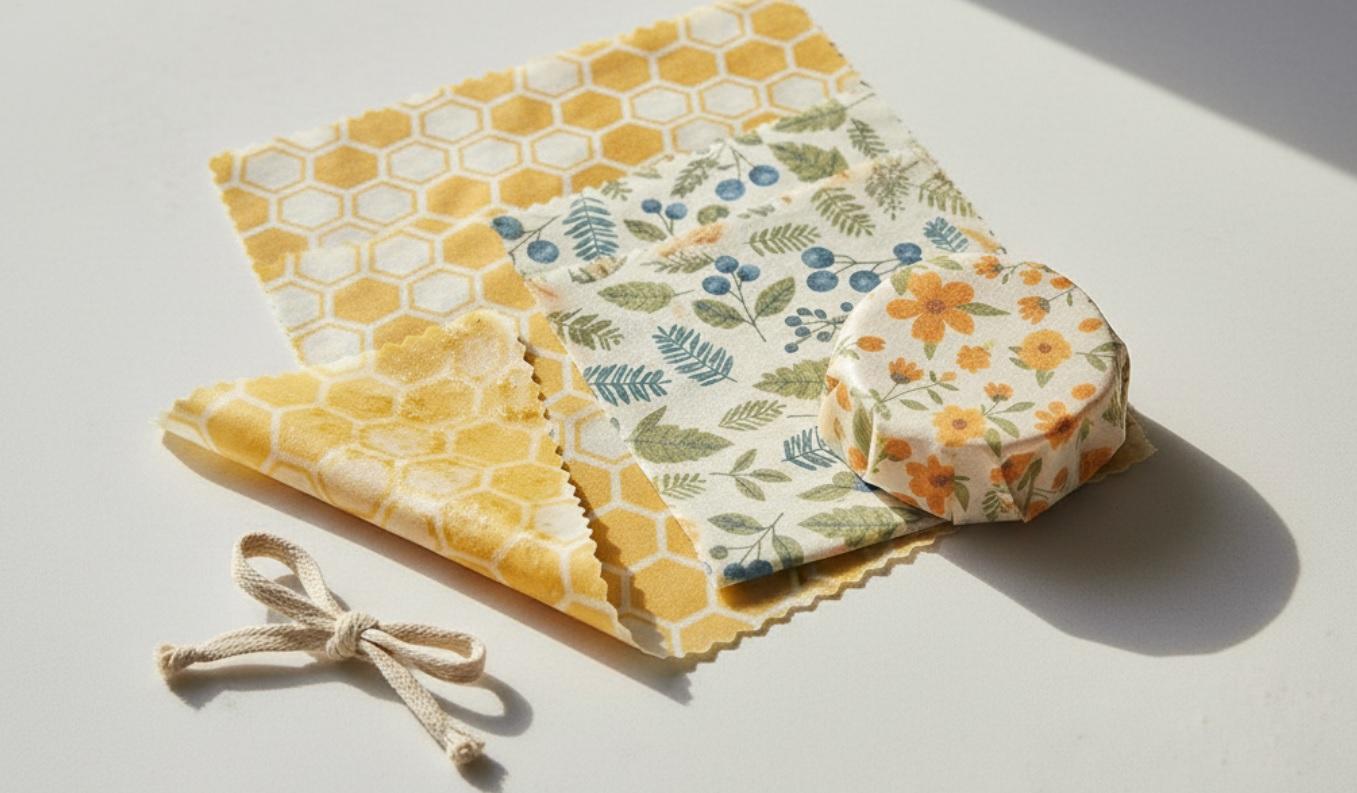
Every day, millions of plastic wraps end up in landfills or oceans. They take hundreds of years to break down, and while they sit there, they harm wildlife and pollute our planet. If you're looking for a simple way to cut down on single-use plastic in your kitchen, reusable beeswax food wraps might be the answer you've been searching for.
These wraps are made from natural materials like cotton fabric, beeswax, tree resin, and plant oils. They're flexible, sticky enough to seal around bowls or food, and can be used again and again. Best of all, when they finally wear out after a year or more, they compost naturally without leaving behind toxic waste.
How Beeswax Wraps Work
Beeswax food wraps act like a second skin for your food. The warmth of your hands softens the wax slightly, allowing the wrap to mold around containers, fruits, cheese, bread, or anything else you need to cover. Once it cools, it holds its shape and creates a light seal that helps keep food fresh.
Unlike plastic wrap, which traps moisture and can make bread soggy or lettuce wilt, beeswax wraps let food breathe just enough. This natural breathability slows down spoilage and keeps your groceries tasting better for longer.
What You Can Wrap
You can use beeswax wraps for many everyday kitchen tasks. Here are some common examples:
- Covering bowls of leftovers
- Wrapping half-cut fruits like avocados or lemons
- Storing cheese blocks or slices
- Keeping bread loaves fresh
- Packing snacks for school or work
- Wrapping sandwiches (just avoid very wet fillings)
They're not ideal for raw meat, hot foods, or anything that needs to be microwaved. The heat can melt the wax and ruin the wrap. But for most dry or cool items, they work wonderfully.
Why Choose Beeswax Over Plastic Wrap?
Switching to beeswax wraps isn't just good for the environment-it's also better for your wallet in the long run. A single roll of plastic wrap lasts a few weeks at most. A set of beeswax wraps can last over a year with proper care. That means fewer trips to the store and less money spent on disposable products.
Plus, beeswax wraps come in fun patterns and colors. They add a cheerful, handmade touch to your fridge or lunchbox. Many people enjoy the slight honey scent that comes from the natural wax-it's a small but pleasant reminder that you're using something real, not synthetic.
Environmental Benefits You Can Feel Good About
Plastic pollution is one of the biggest challenges of our time. Every time you skip a sheet of cling film, you help reduce that burden. Beeswax wraps are fully biodegradable. When they reach the end of their life, you can cut them into strips and add them to your compost bin. They'll break down just like leaves or food scraps.
Even the production process is gentler on the planet. Most brands use organic cotton and source beeswax from local beekeepers who practice ethical hive management. Tree resin and jojoba oil-common ingredients in these wraps-are renewable and non-toxic.
How to Care for Your Beeswax Wraps
Taking care of beeswax wraps is easy, but it does require a few simple rules. Follow these steps, and your wraps will stay sticky and useful for many months:
- Wash with cool water. Hot water melts the wax, so always rinse with cold or lukewarm water.
- Use mild soap only. Harsh detergents strip away the wax coating. A drop of gentle dish soap is enough.
- Air dry flat. Don't wring them out or put them in the dryer. Lay them on a rack or towel to dry naturally.
- Store in a cool, dry place. Keep them rolled up in a drawer or tucked into a cloth bag-away from heat sources like stoves or sunny windows.
If your wrap starts to lose its stickiness after several months, you can refresh it. Place it on a baking sheet, sprinkle a little extra beeswax on top, and warm it in the oven for a few minutes at a low temperature (around 150°F or 65°C). Let it cool, and it's ready to use again.
Are Beeswax Wraps Worth the Investment?
Most starter sets cost between $15 and $30, depending on size and brand. That might seem like a lot compared to a $3 roll of plastic wrap. But consider this: one set replaces hundreds of feet of plastic over its lifetime. If you use wraps daily, you'll break even in just a few months.
Many users report that their wraps last 12 to 18 months. Some even get two years out of them with careful use. That's a lot of plastic saved-and a lot of money kept in your pocket.
You also gain peace of mind. Knowing your food isn't touching synthetic chemicals feels good. Plastic wraps often contain plasticizers like phthalates, which can leach into fatty foods. Beeswax wraps avoid that risk entirely.
Common Myths About Beeswax Wraps
Some people hesitate to try beeswax wraps because of misunderstandings. Let's clear up a few myths:
- "They don't seal well." While they don't create an airtight seal like vacuum bags, they do form a snug, breathable cover that works great for most foods.
- "They're hard to clean." Actually, they're simpler than you think-just a quick rinse and air dry.
- "They smell too strong." The honey scent fades after a few uses and is usually very mild. Most people find it pleasant, not overpowering.
- "You can't use them in the fridge." Yes, you can! They work perfectly in cold environments and help keep produce fresh longer.
Making the Switch: Tips for Beginners
If you've never used beeswax wraps before, start small. Buy a set with three different sizes-small for covering jars or half fruits, medium for bowls, and large for bread or bigger items. Try them with foods you eat often, like cheese, cucumbers, or leftover pasta.
Give yourself a week or two to get used to the feel and function. You'll quickly learn how much pressure to apply when folding the wrap or how long it takes to mold around a container. Soon, it'll feel just as natural as reaching for plastic wrap used to.
Keep a few extras in your pantry for picnics, potlucks, or packed lunches. They're lightweight, reusable, and impress friends with your eco-friendly habits.
Bottom Line
Reusable beeswax food wraps are more than just a kitchen trend. They're a practical, planet-friendly tool that fits easily into daily life. They reduce waste, save money, and keep food fresh without harmful chemicals. Whether you're new to sustainable living or have been cutting plastic for years, these wraps offer a simple upgrade with real impact.
You don't need to overhaul your whole routine to make a difference. Sometimes, the smallest changes-like swapping out a roll of plastic for a few squares of beeswax-coated cloth-add up to something meaningful. Give them a try. Your kitchen, your wallet, and the Earth will thank you.


