




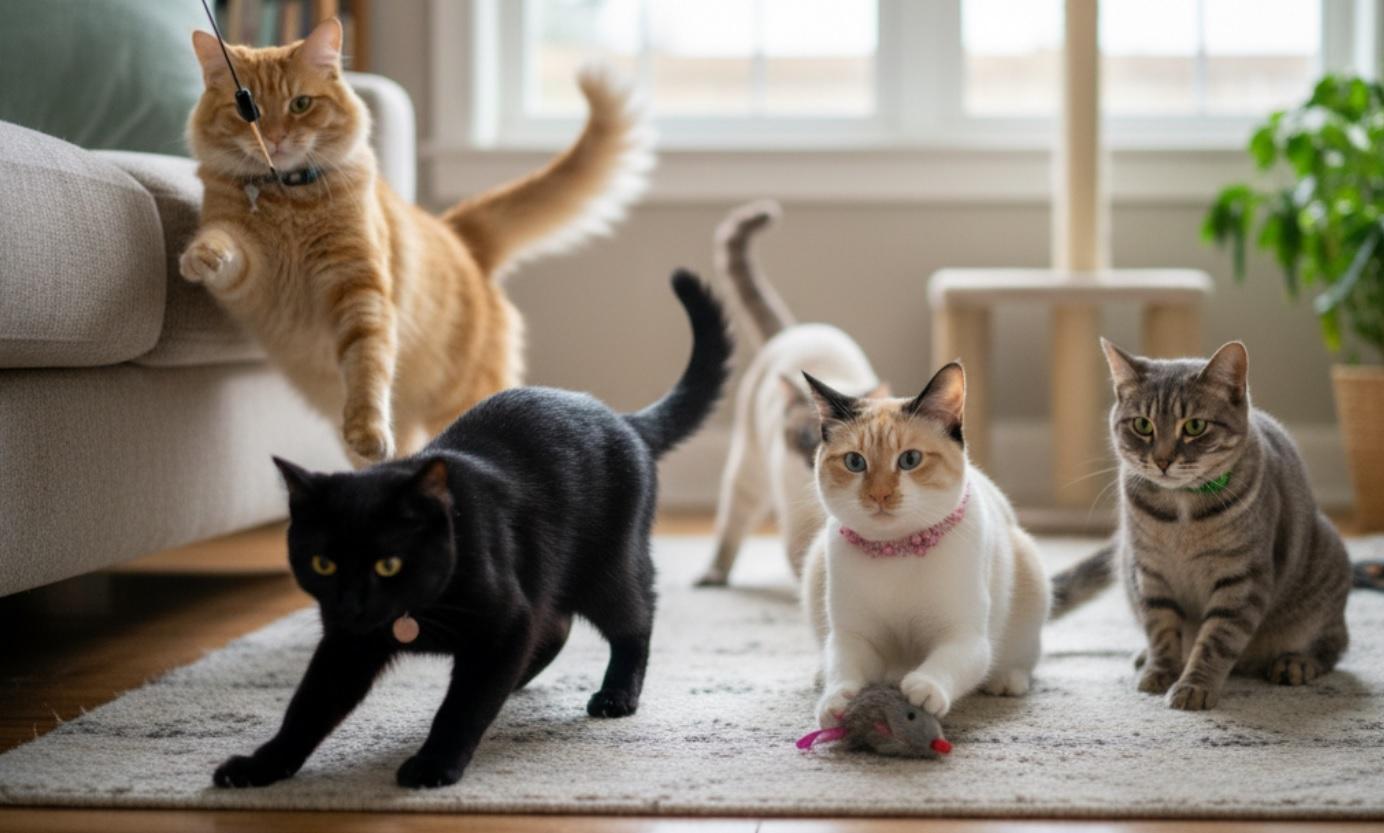
A good cat collar does more than hold an ID tag. It can keep your cat safe, help them get home if they wander off, and even prevent injuries. On the flip side, a poorly chosen collar can cause discomfort, skin irritation, or worse get caught on something and put your cat in danger.
Here's what you need to know before buying a cat collar. From fit and materials to safety, we'll help you pick one your cat will actually enjoy wearing.
Why Your Cat Might Need a Collar
Not every cat needs a collar, but many benefit from wearing one-especially if they go outside or have access to a balcony or yard. Even indoor cats can slip out through an open door or window. A collar with an ID tag gives strangers a way to contact you if they find your lost pet.
Some people skip collars because they think microchipping is enough. While microchips are great, not everyone who finds a lost cat will take them to a vet or shelter to scan for a chip. A visible ID tag works instantly. Plus, a collar can hold other useful items like a bell to warn birds or a charm that shows your cat has special medical needs.
Safety First: The Breakaway Feature
The single most important thing to look for in a cat collar is a breakaway clasp. Cats are curious and love to climb, squeeze into tight spaces, and explore high places. If a collar gets snagged on a branch, fence, or piece of furniture, it can choke your cat or trap them in a dangerous position.
A breakaway collar is designed to snap open under pressure. If your cat tugs hard enough-like when they're stuck-the collar releases. This simple feature has saved countless cats from serious injury or worse. Never use a dog collar or a non-breakaway style on a cat. They're not built for feline safety.
How Breakaway Collars Work
Most breakaway collars use a plastic snap that holds firm during normal wear but pops apart when pulled with moderate force. The amount of force needed varies by brand, but it's usually enough to stay on during play but release if the cat gets truly stuck.
Some collars use elastic sections instead of a snap. These stretch to allow escape, but they're less reliable than true breakaway designs. Stick with a collar that clearly states it has a safety release mechanism.
Materials Matter
Collars come in many materials, from nylon and polyester to leather and even fabric. Each has pros and cons, and your cat's comfort should guide your choice.
- Nylon: Lightweight, durable, and easy to clean. Most breakaway collars are made from nylon. It's also affordable and comes in many colors and patterns.
- Polyester: Similar to nylon but often softer. Some cats prefer the feel against their skin.
- Leather: Looks stylish and lasts a long time, but it's heavier and doesn't always come with a reliable breakaway clasp. Only choose leather if it's specifically designed for cats and includes a safety release.
- Fabric or cotton: Soft and breathable, great for cats with sensitive skin. However, these may not hold up as well in rain or mud.
Avoid collars with rough edges, stiff backing, or metal parts that could rub or irritate your cat's neck. Also skip anything with dangling charms or long tassels-they can get caught or tempt your cat to chew.
Finding the Right Fit
A collar that's too tight can choke your cat or cause sores. One that's too loose might slip off or get tangled in their legs. The goal is a snug but comfortable fit.
To check the fit, slide two fingers flat under the collar while it's on your cat. If they fit easily without squishing your cat's fur or skin, the size is just right. You should be able to move the collar slightly but not pull it over your cat's head.
Keep in mind that kittens grow fast. If you're buying a collar for a young cat, choose an adjustable one and check the fit weekly. Adult cats can gain or lose weight too, so recheck the collar every few weeks.
How to Measure Your Cat's Neck
Use a soft measuring tape or a piece of string. Wrap it around the base of your cat's neck where the collar would sit-just behind the ears and above the shoulders. Don't pull tight; leave room for those two fingers.
Write down the measurement in inches or centimeters. Most collars list a size range (like 8-12 inches). Pick one that includes your cat's measurement in the middle of that range so you can adjust it as needed.
Tags, Bells, and Other Add-Ons
Most cat collars have a small metal or plastic loop for attaching an ID tag. This is essential. The tag should include your phone number at a minimum. Adding your cat's name is optional-some experts say it helps strangers call your pet to them, while others worry it could encourage theft. Use your judgment.
Bells are common on cat collars, especially for outdoor cats. They alert birds and small animals to your cat's presence, which may reduce hunting. Some cats don't mind the sound, but others find it annoying. If you use a bell, choose a quiet one or test it at home first.
Avoid heavy tags or multiple charms. They can pull on the collar, cause discomfort, or get caught on things. If your cat needs medical info visible, look for a lightweight engraved tag or a collar with printed text.
Reflective and Light-Up Collars
If your cat goes outside at dawn, dusk, or night, consider a reflective collar. These have strips that shine when hit by car headlights or a flashlight, making your cat easier to spot.
Some collars even have small LED lights built in. These can be helpful but often require batteries and may be bulkier than standard collars. Make sure any light-up feature doesn't interfere with the breakaway function.
Never rely on a light-up collar as your only safety measure. Keep outdoor time supervised when possible, and always use a breakaway design.
Special Considerations for Indoor vs. Outdoor Cats
Indoor cats still benefit from collars, especially if they live in apartments or homes with frequent visitors. A quick dash out the door is all it takes for them to get lost. Choose a simple, soft collar with an ID tag and breakaway clasp.
Outdoor cats face more risks, so their collars should be extra durable and include reflective elements. Still, never sacrifice safety for toughness. A heavy-duty collar without a breakaway feature is dangerous.
If your cat wears a harness for walks, you might skip the collar during outings-but always put it back on when they're indoors or unsupervised outside.
How to Introduce a Collar to Your Cat
Many cats hate collars at first. They might scratch at it, hide, or try to chew it off. Be patient. Start by letting your cat sniff and inspect the collar before putting it on.
When you first attach it, keep the session short-just a few minutes. Offer treats and praise. Gradually increase the time they wear it over several days. Most cats adjust within a week.
If your cat seems stressed, check the fit again. Sometimes a tiny adjustment makes a big difference. If they still resist after a week, try a different material or style. Some cats prefer ultra-thin collars or those with no tag at all (though you should still find a way to ID them).
When to Replace a Collar
Collars wear out. Frayed edges, cracked plastic, or a clasp that doesn't snap securely are signs it's time for a new one. Even if it looks fine, replace it every 6 to 12 months-especially if your cat wears it daily.
Also replace the collar if your contact info changes. A tag with an old phone number won't help anyone find you. Consider writing your current number on the collar itself with a permanent marker as a backup.
Mistakes to Avoid
- Using a dog collar: Dog collars don't have breakaway features and can be deadly for cats.
- Skipping the ID tag: A collar without contact info is just decoration-and a risk.
- Ignoring fit: A poorly fitted collar causes discomfort or danger.
- Choosing style over safety: Pretty doesn't matter if it's not safe.
- Forgetting to check regularly: Weight changes, fur growth, and wear can all affect fit and function.
Important Tips
Your cat's collar should be invisible to them, comfortable enough that they forget it's there, but visible enough that others notice it if needed. Always prioritize safety over fashion. Look for trusted brands that specialize in cat products, and read reviews from other cat owners.
Remember, a collar is just one part of keeping your cat safe. Pair it with a microchip, secure windows and doors, and regular vet check-ups. Together, these steps give your cat the best chance at a long, healthy life-whether they stay indoors or explore the backyard.
Frequently Asked Questions (FAQ)
Can kittens wear collars?
Yes, but only once they weigh at least 2 pounds and have a neck large enough for a proper fit. Use an adjustable breakaway collar and check it weekly as they grow.
Should my indoor cat wear a collar?
Yes. Even strictly indoor cats can escape. A collar with your phone number helps them get home faster.
What if my cat keeps taking off the collar?
First, check the fit-it might be too tight or too loose. Try a different material or a collar without a dangling tag. If they still resist, consider a microchip as your primary ID and skip the collar.
Are flea collars safe for cats?
Many over-the-counter flea collars contain chemicals that can harm cats. Always talk to your vet before using any flea treatment. Never use a dog flea collar on a cat-it can be fatal.
How often should I check the collar?
Check it at least once a week. Look for signs of wear, ensure the fit is still correct, and make sure the breakaway clasp works properly.
Can I wash my cat's collar?
Most nylon and fabric collars can be hand-washed with mild soap and air-dried. Avoid machine washing or harsh chemicals, which can damage the safety clasp.


