




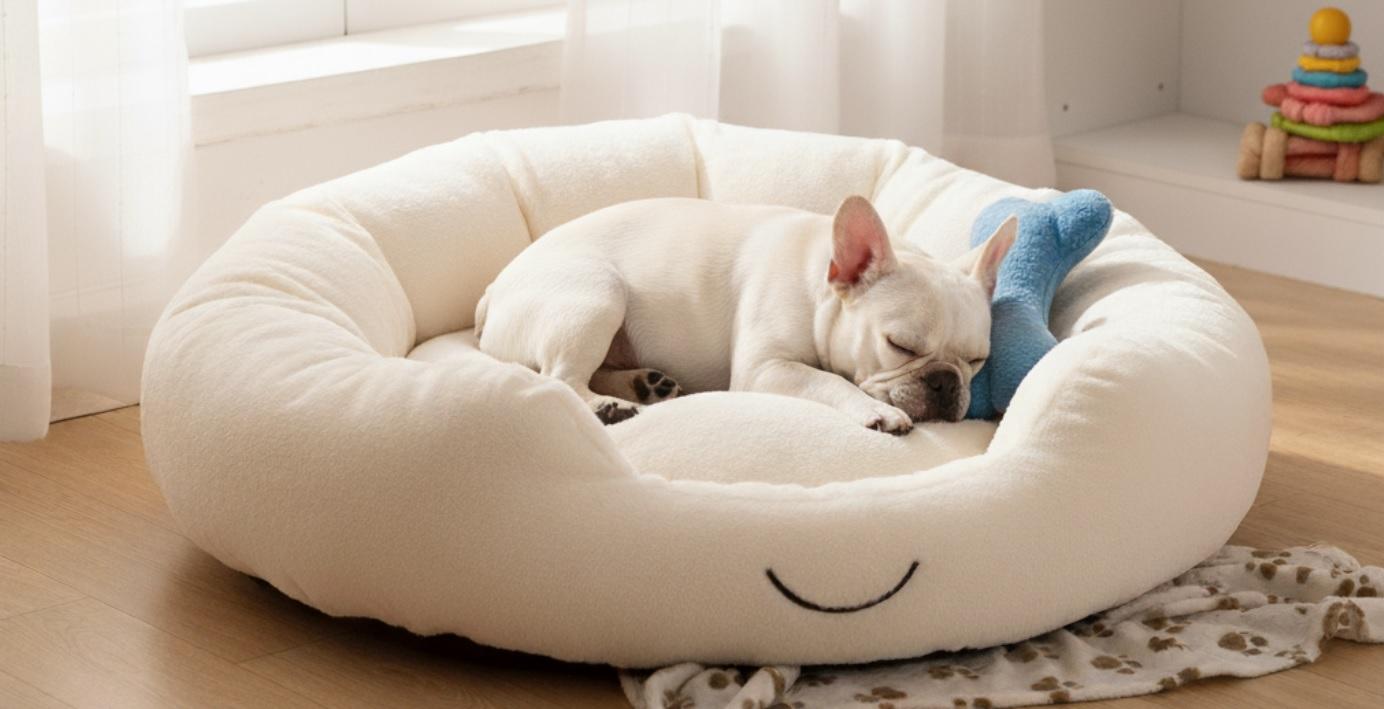
Your dog doesn't need a fancy setup to be happy but the right bed can make their everyday life noticeably better. Maybe they're getting older and stiff in the mornings. Maybe they like to burrow like a mole or stretch out like a starfish. Maybe they just need a spot that's clearly theirs, away from the chaos of the house.
Walk into any pet store or scroll online, and you'll see beds in every shape, fill, and fabric imaginable. Some sink like quicksand. Others feel like sleeping on a board. A few survive one week before your dog shreds them like confetti. This guide is based on what real dogs actually use and what their owners keep buying again because it holds up, fits the space, and suits the dog's habits.
Why Your Dog Needs a Good Bed
Dogs spend a big part of their day sleeping. Puppies might snooze up to 20 hours a day, while adult dogs usually clock in 12 to 14 hours. That's a lot of time spent lying down! Without proper support, your dog could develop sore joints, pressure sores, or even behavioral issues from discomfort.
A quality bed also gives your dog a sense of security. Many dogs like to curl up in a cozy corner or lean against something soft. It mimics the den-like feeling they would seek in the wild. Plus, having their own designated spot helps keep them off your furniture-which is a bonus for many pet owners.
Key Factors to Consider Before Buying
Before you click "add to cart," think about your dog's size, age, sleeping habits, and any health conditions. These details will help narrow down your choices quickly.
Size Matters-More Than You Think
Always measure your dog from nose to tail when they're lying down in their usual sleeping position. Then add at least 6 to 12 inches to that number. This extra space lets them stretch out comfortably or shift positions without hanging off the edge.
Here's a general rule of thumb:
- Small dogs (under 20 lbs): 24-30 inches long
- Medium dogs (20-50 lbs): 30-36 inches long
- Large dogs (50-90 lbs): 36-44 inches long
- Extra-large dogs (90+ lbs): 44+ inches long
Don't forget to check the bed's actual dimensions-not just the label. Some brands run small.
Age and Health Play a Big Role
Puppies and young dogs usually just need something soft and washable. They're still growing, so you might not want to invest in a high-end bed right away.
Older dogs, especially large breeds, often suffer from arthritis or hip dysplasia. For them, an orthopedic memory foam bed can make a huge difference. These beds distribute weight evenly and reduce pressure on joints.
If your dog has allergies, look for hypoallergenic materials and removable, machine-washable covers. Some beds even use antimicrobial fabrics to fight odors and bacteria.
Think About Your Dog's Sleeping Style
Does your dog sprawl out like a starfish? Curl into a tight ball? Lean against the couch like it's a best friend? Their favorite sleeping pose should guide your choice.
- Curlers love round or donut-shaped beds with raised edges. The bolsters give them something to rest their head on and make them feel safe.
- Sprawlers need flat, wide mats or rectangular beds with no sides.
- Leaners do best with beds that have high bolsters on at least one side.
- Nestlers might prefer beds filled with soft polyfill that they can dig into and shape.
Types of Dog Beds
Not all dog beds are created equal. Each type serves a different purpose. Here's a breakdown of the most common styles you'll see in stores and online.
Orthopedic Beds
These are made with medical-grade memory foam or high-density support foam. They're ideal for senior dogs, large breeds, or any pup with joint pain. The foam molds to your dog's body, offering cushioning without sinking too much.
Look for beds labeled "certified orthopedic" or those that mention specific foam thickness (at least 3 inches is recommended for larger dogs).
Bolster Beds
Also called "donut" or "nesting" beds, these have raised edges all around. Many dogs find the bolsters comforting-it's like having a pillow to rest their head on while feeling enclosed and secure.
These work well for anxious dogs or those who like to burrow. Just make sure the center is deep enough for your dog to lie flat if they want to.
Flat Mats and Pads
Simple, lightweight, and easy to clean. These are great for crates, travel, or warm climates. Some are just a thin layer of foam or cotton batting, while others have cooling gel inserts.
They're not ideal for older dogs who need support, but perfect for young, healthy pups or as a second bed for the car or backyard.
Elevated (Cot-Style) Beds
These beds lift your dog off the ground using a metal or plastic frame and a breathable fabric sling. They're excellent for hot weather because air circulates underneath, keeping your dog cool.
They're also easy to clean-just wipe down the fabric or hose it off. However, they offer zero cushioning, so they're not suitable for dogs with joint issues.
Heated and Cooling Beds
Specialty beds can help regulate your dog's temperature year-round.
- Heated beds are great for senior dogs in cold climates. Most use low-voltage heating elements and auto-shutoff features for safety.
- Cooling beds often use gel inserts or phase-change materials that absorb body heat. They don't require electricity and stay cool for hours.
Always supervise your dog with heated beds, especially if they chew or have incontinence issues.
Materials and Durability
The fabric and filling of a dog bed affect comfort, cleanliness, and how long it lasts.
Fabrics to Look For
Choose a cover that's soft but tough. Microfiber, canvas, and denim hold up well to claws and daily use. Waterproof or water-resistant liners are a smart addition-especially for puppies, older dogs, or messy eaters.
Removable, machine-washable covers are a must. Dogs shed, drool, and track in dirt. You'll want to wash the cover weekly.
Filling Options
- Memory foam: Best for support and pressure relief.
- Polyester fiberfill: Soft and fluffy, but flattens over time.
- Egg-crate foam: Budget-friendly and decent for young dogs.
- Gel-infused foam: Adds cooling properties to memory foam.
Avoid beds with loose stuffing that can clump or shift. It creates uneven surfaces and can be a choking hazard if your dog chews through the cover.
Where Will the Bed Go?
Think about placement before you buy. A thick orthopedic bed might not fit in a crate. A large bolster bed could take up half your living room.
If you plan to keep the bed outside or in a garage, choose one with weather-resistant fabric and mildew-resistant filling. For crates, measure the interior first-many brands sell crate-specific sizes.
Also consider noise. Some beds crinkle or squeak when your dog moves. That might annoy you (or your dog) at 3 a.m.
How to Clean and Maintain Your Dog's Bed
A dirty bed can cause skin irritation, odors, and even infections. Make cleaning part of your weekly routine.
Most quality beds have zippers that let you remove the cover. Wash it in cold water on a gentle cycle, and air-dry if possible to prevent shrinking.
For the inner cushion, spot-clean with a damp cloth and mild soap. If it's foam, never soak it-this can cause mold or breakdown. Some foam inserts are machine-washable, but always check the label first.
Between washes, vacuum the bed to remove hair and dust. A lint roller works well for quick touch-ups.
Mistakes to Avoid
Even experienced dog owners make these errors when shopping for beds:
- Buying too small: Dogs grow, and even adults need room to stretch.
- Ignoring chewers: If your dog destroys toys, they'll likely tear up a soft bed. Look for chew-resistant materials or elevated cots.
- Skipping the trial period: Some brands offer 30-90 day returns. Use it! Your dog might not like the texture or shape, no matter how "perfect" it seems on paper.
- Overlooking odor control: Choose beds with odor-neutralizing tech or washable covers to avoid stinky surprises.
Important Tips
Once you've chosen the bed, give your dog time to adjust. Place it in a quiet corner away from heavy foot traffic. You can even put an old T-shirt with your scent on it to make the bed feel familiar.
Replace the bed every 1-3 years, or sooner if it's lumpy, stained beyond cleaning, or falling apart. Your dog deserves fresh, supportive rest just like you do.
And remember: no bed replaces regular vet checkups, exercise, or love. But a great bed? It's one more way to show your dog they're safe, cared for, and home.
Frequently Asked Questions (FAQ)
How often should I wash my dog's bed?
Wash the cover at least once a week. Deep-clean the entire bed (including the inner cushion if possible) every 2-4 weeks, depending on how messy your dog is.
Can I use a human mattress for my dog?
You can, but it's not ideal. Human mattresses aren't designed for dogs' body shapes or sleeping habits. Plus, they're harder to clean and can harbor allergens. A proper dog bed is a better investment.
Are memory foam beds safe for dogs?
Yes, as long as the foam is fully enclosed in a chew-proof cover. Never let your dog access raw memory foam-it can be a choking hazard and may contain chemicals unsafe if ingested.
What if my dog won't use their new bed?
Give it time. Place treats or toys on it, or feed your dog nearby to create positive associations. Some dogs need days or even weeks to accept a new sleeping spot.
Do small dogs need orthopedic beds?
Not usually, unless they have a health condition like luxating patella or are seniors. Most small breeds do fine with soft, supportive fiberfill beds.


