



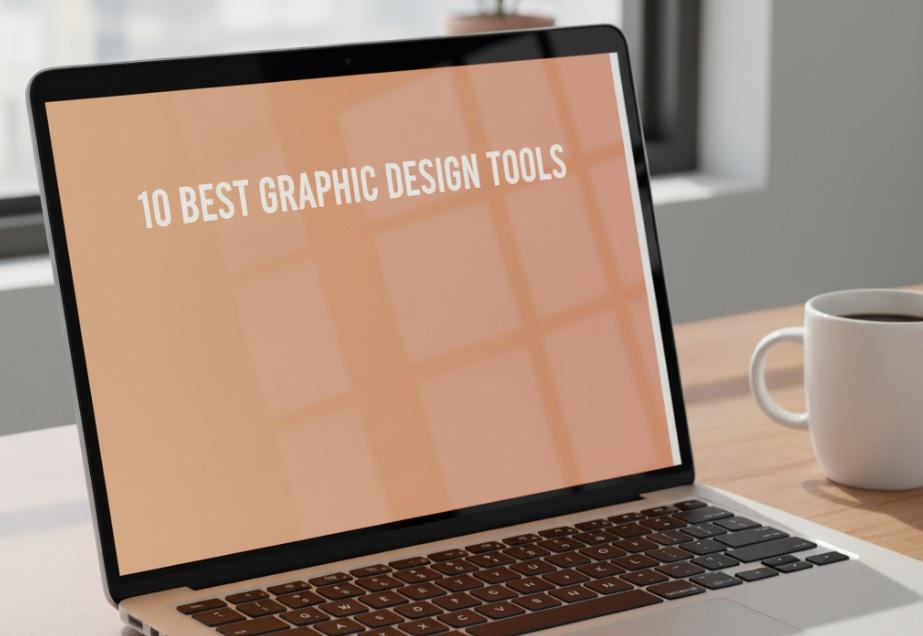
If you love creating visuals whether for social media, your blog, or just for fun - you know how important it is to have the right tools.
With the right software, anyone can turn ideas into eye-catching designs.
Below, you'll find ten of the best graphic design tools worth trying in 2026.
1. Adobe Photoshop
Photoshop has been around for decades, and for good reason. It's powerful, flexible, and used by professionals worldwide. You can edit photos, create digital art, design web layouts, and even work on 3D graphics.
Pros:
- Unmatched photo editing features
- Supports layers, masks, and smart objects
- Huge library of tutorials and community support
Cons:
- Steep learning curve for beginners
- Subscription-based pricing (no one-time purchase)
- Can feel overwhelming if you only need basic tools
Best for: Photographers, digital artists, and anyone who needs deep control over image editing.
2. Canva
Canva is perfect if you want to design quickly without spending hours learning complex software. Its drag-and-drop interface makes it easy to create social media posts, flyers, presentations, and more. You'll find thousands of templates ready to customize.
Pros:
- Super easy to use-even for total beginners
- Free version available with plenty of features
- Great for team collaboration
Cons:
- Advanced features locked behind a paid plan
- Limited control compared to professional tools
- Some templates look too similar
Best for: Small business owners, teachers, students, and social media managers.
3. Figma
Figma shines when it comes to interface and user experience design. It's web-based, which means you don't need to download anything. You can design websites, apps, and prototypes-and share them with others in real time.
Pros:
- Real-time collaboration with teammates
- Free for individual use
- Excellent prototyping and vector tools
Cons:
- Not ideal for photo editing or print design
- Requires a stable internet connection
- Some advanced features take time to master
Best for: UI/UX designers, product teams, and web developers.
4. Affinity Designer
Affinity Designer offers professional-grade vector design at a one-time price. It's a strong alternative to Adobe Illustrator, with smooth performance and a clean interface. You can switch between vector and raster workflows seamlessly.
Pros:
- No subscription-pay once and own it forever
- Fast and responsive, even with large files
- Great for both print and digital design
Cons:
- Smaller user community than Adobe
- Fewer third-party plugins and integrations
- Learning resources not as plentiful
Best for: Illustrators, logo designers, and print professionals on a budget.
5. Procreate
If you own an iPad, Procreate is a must-try. It's built for digital painting and sketching, with realistic brushes and intuitive gestures. Artists love how natural it feels to draw directly on the screen.
Pros:
- One-time purchase with no hidden fees
- Highly responsive and optimized for Apple Pencil
- Thousands of custom brushes available
Cons:
- iOS only-no version for Windows or Android
- Not suited for layout or typography-heavy projects
- No built-in vector tools
Best for: Digital painters, illustrators, and hobby artists with an iPad.
6. GIMP
GIMP (GNU Image Manipulation Program) is a free, open-source alternative to Photoshop. It handles photo retouching, image composition, and graphic design tasks surprisingly well-especially considering it costs nothing.
Pros:
- Completely free and open-source
- Customizable interface and tools
- Supports plugins and scripting
Cons:
- Interface feels outdated
- Steeper learning curve than expected
- Lacks some modern workflow features
Best for: Budget-conscious users, students, and those who need basic photo editing without paying.
7. Adobe Illustrator
When it comes to vector graphics-logos, icons, typography, and scalable artwork-Illustrator is the industry standard. Its precision tools let you create clean, sharp designs that look great at any size.
Pros:
- Industry-leading vector capabilities
- Seamless integration with other Adobe apps
- Excellent for branding and print design
Cons:
- Expensive monthly subscription
- Overkill for simple social media graphics
- Resource-heavy on older computers
Best for: Brand designers, illustrators, and agencies working on professional vector projects.
8. Inkscape
Inkscape is a free, open-source vector graphics editor. It's similar to Illustrator but without the price tag. While it may not have all the bells and whistles, it handles most vector tasks with ease.
Pros:
- Free to download and use forever
- Supports SVG format natively
- Good for creating logos and technical drawings
Cons:
- User interface isn't as polished
- Slower performance with complex files
- Limited support for CMYK (important for print)
Best for: Hobbyists, students, and small projects where budget matters.
9. Sketch
Sketch is a Mac-only design tool focused on user interfaces. It's lightweight, fast, and packed with features for app and web design. Many startups and design teams rely on it for wireframing and prototyping.
Pros:
- Clean, intuitive interface
- Powerful symbol and component system
- Large plugin ecosystem
Cons:
- Only works on macOS
- Not suitable for photo editing or print
- Subscription model (no lifetime license)
Best for: UI designers working on Mac who need a focused, efficient workflow.
10. CorelDRAW
CorelDRAW has been around almost as long as Photoshop. It's a full-featured vector suite that also handles page layout, photo editing, and typography. Many print shops and sign makers still use it daily.
Pros:
- One-time purchase option available
- Strong tools for print and signage
- Good compatibility with legacy file formats
Cons:
- Less popular in web and app design circles
- Interface can feel cluttered
- Slower updates compared to competitors
Best for: Print designers, sign makers, and those working in traditional graphic arts.
Quick Comparison Table
| Tool | Best For | Price | Platform |
|---|---|---|---|
| Adobe Photoshop | Photo editing, digital art | Subscription | Windows, macOS |
| Canva | Quick social graphics, beginners | Free + Pro plan | Web, iOS, Android |
| Figma | UI/UX design, collaboration | Free + paid plans | Web, Windows, macOS |
| Affinity Designer | Vector design, one-time purchase | One-time fee | Windows, macOS, iPad |
| Procreate | Digital painting | One-time fee | iPad only |
| GIMP | Free photo editing | Free | Windows, macOS, Linux |
| Adobe Illustrator | Professional vector work | Subscription | Windows, macOS |
| Inkscape | Free vector graphics | Free | Windows, macOS, Linux |
| Sketch | UI design (Mac only) | Subscription | macOS only |
| CorelDRAW | Print and signage design | One-time or subscription | Windows, macOS |
Choosing the right tool depends on what you want to create, your budget, and how much time you're willing to spend learning. If you're just starting out, Canva or GIMP might be your best friends. If you're serious about a design career, investing in Adobe or Affinity could pay off long-term.
Don't be afraid to try a few. Most of these tools offer free trials or free versions. Spend a weekend experimenting.


