




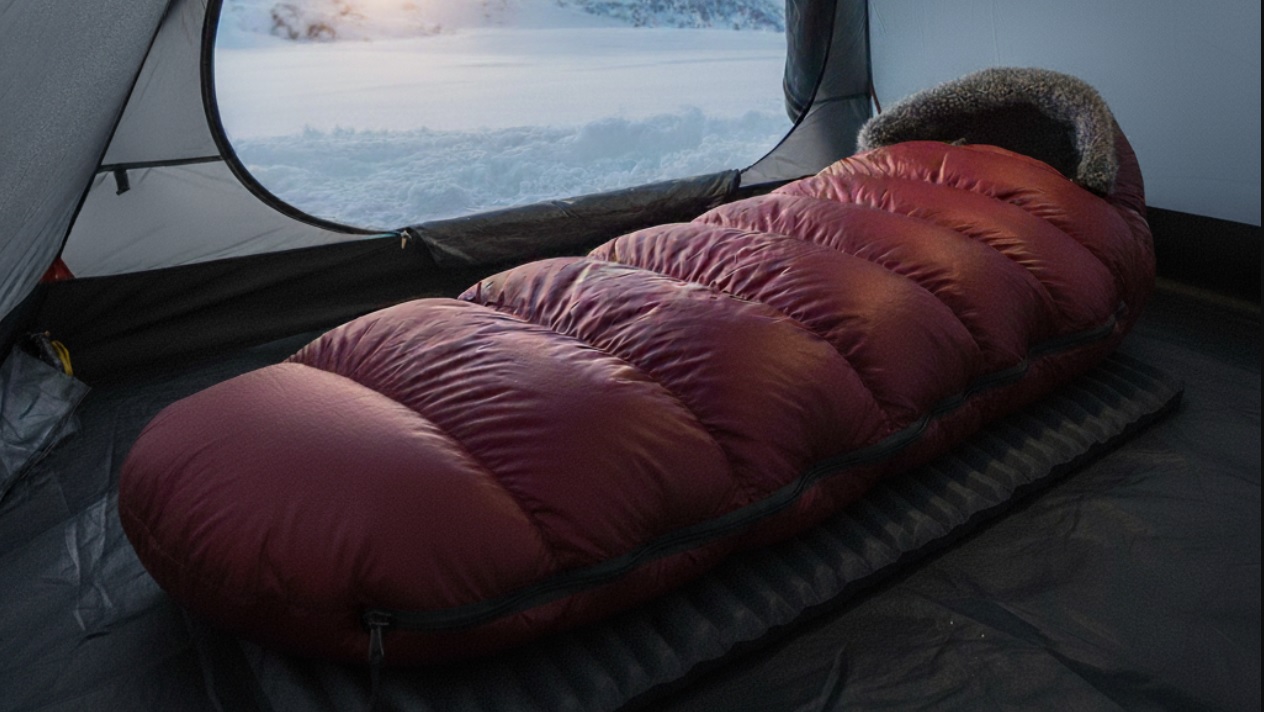
Winter camping can be unforgiving if your sleeping bag isn't up to the task. A poorly insulated bag leaves you cold and restless, while a well-chosen one keeps you warm, dry, and comfortable all night. Cold-weather sleeping bags vary a lot: some hold heat better, some fold down small for easy packing, and others resist damp conditions without losing warmth. In this guide, we focus on models that consistently perform in the outdoors, based on real experiences and detailed feedback from campers and hikers.
What Makes a Sleeping Bag Good for Cold Weather?
You need more than just thick fabric to survive freezing nights. The best cold-weather sleeping bags share a few key traits.
- Fill type: Down offers the best warmth-to-weight ratio but loses insulation when wet. Synthetic fills keep you warm even when damp but are bulkier.
- Temperature rating: Look for bags rated at least 0°F (-18°C) or lower. Remember, ratings are based on average users-women and cold sleepers often need a bag rated 10-15°F warmer than the expected low.
- Fit and shape: Mummy-style bags hug your body closely, reducing dead air space and improving heat retention. Rectangular bags offer more room but leak warmth.
- Features: Draft collars, insulated hoods, and zipper baffles prevent heat from escaping. A good draft tube along the zipper is essential.
Top-Rated Cold Weather Sleeping Bags
After reviewing hundreds of verified buyer reviews and comparing specs, these five sleeping bags stand out for reliability, warmth, and value.
1. TETON Sports LEEF +0°F
This bag delivers serious warmth without a serious price tag. It uses a blend of hollow fiber insulation and a soft flannel lining that feels cozy against your skin. The mummy shape includes a drawstring hood and a full-length draft tube.
Pros:
- Comfortable down to 0°F for most sleepers
- Double-layer construction adds warmth
- Budget-friendly
- Includes compression sack
Cons:
- Bulkier than down options
- Not ideal for backpacking due to weight (7.5 lbs)
2. Kelty Cosmic 0
For backpackers who need warmth without excess weight, the Kelty Cosmic 0 hits a sweet spot. It uses 600-fill power duck down treated to resist moisture. The trapezoidal footbox gives your feet room to move without creating cold spots.
Pros:
- Lightweight (2 lbs 13 oz)
- Water-resistant down stays effective in light dampness
- Stash pocket inside for small items
- Draft collar and insulated hood seal in heat
Cons:
- Expensive compared to synthetic options
- Not suitable if you expect heavy rain or snow without a good tent
3. Marmot Trestles Elite 0
Made for those who camp in wet or unpredictable conditions, this bag uses synthetic SpiraFil insulation. It dries quickly and maintains warmth even when damp. The tapered mummy shape balances comfort and efficiency.
Pros:
- Performs well in humid or wet environments
- Soft brushed lining feels warm right away
- Includes stuff sack and storage sack
- Good value for synthetic performance
Cons:
- Heavier than down (4 lbs 1 oz)
- Takes more space in your pack
4. Western Mountaineering Kodiak MF
If you face extreme cold-think -20°F-you need a bag built for serious expeditions. The Kodiak MF uses 850+ fill power goose down and a roomy mummy cut that still traps heat effectively. It's a favorite among mountaineers and winter guides.
Pros:
- Exceptional warmth for sub-zero conditions
- Premium down retains loft for years
- Durable, high-quality shell fabric
- Extra-long zipper draft tube
Cons:
- Very expensive
- Requires careful storage to maintain down quality
- Not necessary for casual winter camping
5. REI Co-op Magma 0
This bag combines high-performance down with thoughtful design. It uses 850-fill goose down and a water-resistant shell. The ergonomic hood and contoured footbox keep heat where you need it most.
Pros:
- Lightweight (2 lbs 10 oz)
- Water-resistant treatment on down and shell
- Comfortable for side sleepers
- Excellent temperature-to-weight ratio
Cons:
- Pricey
- Limited availability outside major outdoor retailers
How to Choose the Right One for You
Ask yourself a few simple questions before buying:
- Where will you use it? Car camping allows heavier bags. Backpacking demands light weight and compact size.
- How cold does it really get? Check historical lows for your destination, not just forecasts.
- Do you sleep cold? If yes, choose a bag rated 10-15°F warmer than the expected low.
- Will it be wet? In damp climates, synthetic might be safer unless you're confident your shelter keeps moisture out.
Also, remember that your sleeping pad matters just as much as your bag. A thin pad lets cold ground steal your body heat. Pair your bag with an insulated pad rated for winter use.
Care Tips to Keep Your Bag Warm Longer
A well-maintained sleeping bag lasts years and performs better. Follow these habits:
- Air it out after every trip to remove moisture.
- Store it loose in a large cotton sack-never compressed.
- Wash only when necessary, using a front-loading machine and down-specific detergent if needed.
- Use a sleeping bag liner to reduce wear and add a few degrees of warmth.
Comparison Table
| Model | Temp Rating | Fill Type | Weight | Best For |
|---|---|---|---|---|
| TETON Sports LEEF +0°F | 0°F | Synthetic | 7.5 lbs | Car camping, budget buyers |
| Kelty Cosmic 0 | 0°F | 600-fill duck down | 2 lbs 13 oz | Backpacking, dry cold |
| Marmot Trestles Elite 0 | 0°F | Synthetic (SpiraFil) | 4 lbs 1 oz | Wet conditions, value seekers |
| Western Mountaineering Kodiak MF | -20°F | 850+ goose down | 4 lbs 3 oz | Extreme cold, expeditions |
| REI Co-op Magma 0 | 0°F | 850-fill goose down | 2 lbs 10 oz | Backpacking, all-around performance |
Each of these bags has earned its place through real-world use and consistent positive feedback. Your choice depends on your specific needs-not just the coldest temperature, but also how you travel, your budget, and how much you value weight and pack size.
Never underestimate the power of a good night's sleep in the wild. When your body stays warm, your mind stays sharp, and your next day on the trail starts strong. Pick a bag that matches your adventure, treat it well, and it will keep you safe through many winter nights.
Conclusion
You don't need the most expensive bag, just the right one. For weekend car campers, the TETON Sports LEEF offers unbeatable value. Backpackers in dry climates will love the Kelty Cosmic 0 or REI Magma 0. If rain or snow is likely, the Marmot Trestles Elite gives peace of mind. And for those heading into true Arctic conditions, the Western Mountaineering Kodiak is worth every penny.


