




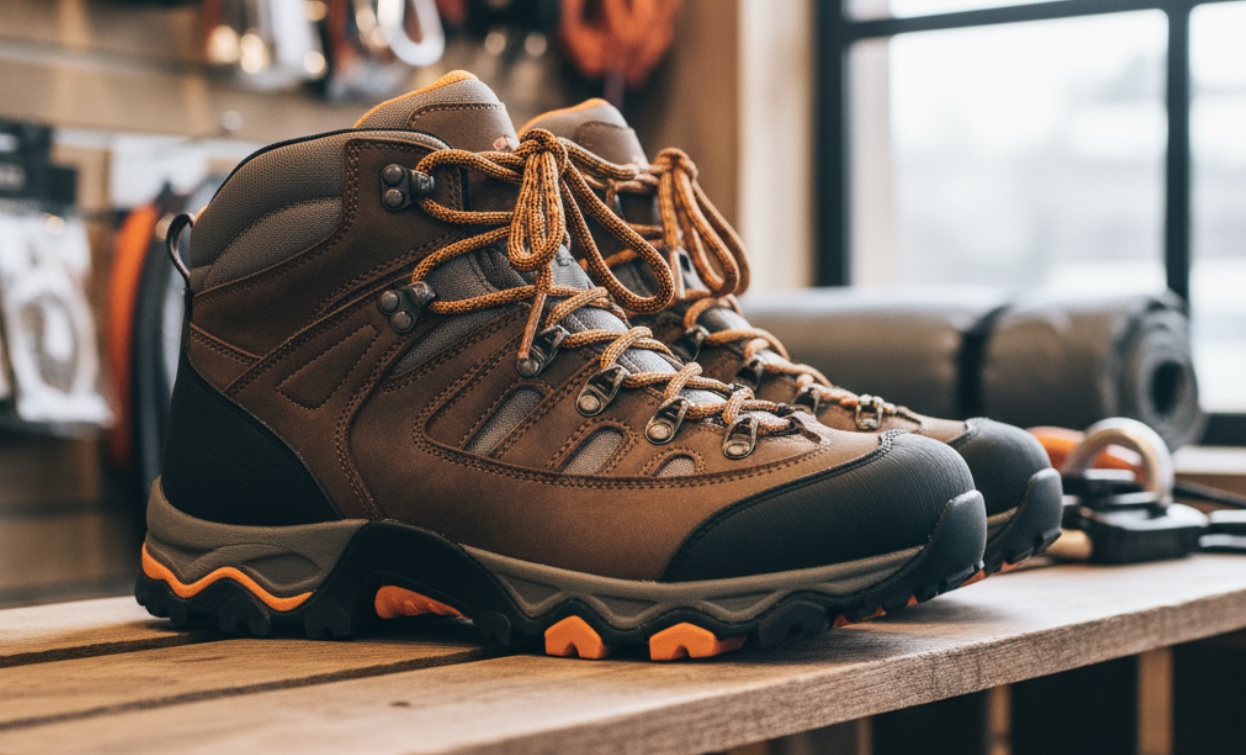
The right hiking boots can make a big difference on the trail. A good pair keeps your feet dry, supported, and comfortable, mile after mile. The wrong pair can leave you with blisters, sore ankles, or cut your hike short. This guide will help you understand what to look for in boots so you can enjoy your hike without worrying about your feet.
Know Your Hiking Style
Not all hikes are the same, and not all boots are built for every kind of trail. Before you even look at boots, ask yourself a few questions:
- Will you walk on flat forest paths or scramble over rocky ridges?
- Are you carrying a light daypack or a heavy multi-day backpack?
- Do you hike in dry summer weather or wet, muddy conditions?
Your answers help narrow down the type of boot you really need. Hiking footwear falls into three main categories: hiking shoes, day hiking boots, and backpacking boots.
Hiking Shoes
These look like sturdy trail runners. They're lightweight, flexible, and great for short hikes on well-maintained trails. If you're walking a few miles with just water and snacks in your pack, hiking shoes might be perfect. They dry quickly and feel nimble on your feet. But they offer little ankle support and won't protect you on rough or uneven ground.
Day Hiking Boots
Mid-cut boots sit just above the ankle. They give you more support than shoes while staying fairly light. These work well for full-day hikes with moderate elevation gain and a small to medium pack. The soles are stiffer than shoes, which helps when you step on rocks or roots. Most people new to hiking start here-it's a solid middle ground.
Backpacking Boots
If you're heading into the backcountry for several days with a heavy load, you need serious support. Backpacking boots are high-cut, stiff, and built to handle weight, rough terrain, and long distances. They often have reinforced toe caps and aggressive tread patterns. These boots take time to break in, but once they do, they protect your feet like nothing else.
Understand Boot Materials
The material of your boots affects weight, breathability, waterproofing, and durability. Here's what you'll see most often:
Leather
Full-grain leather is thick, tough, and lasts for years. It resists abrasion well and molds to your foot over time. However, it's heavier and takes longer to dry if it gets wet. Suede leather is softer and lighter but less water-resistant unless treated.
Synthetic Fabrics
Materials like nylon or polyester are lighter than leather and dry faster. They're common in hiking shoes and lighter boots. The downside? They don't last as long under heavy use and may stretch or wear out quicker.
Waterproof Membranes
Many boots include a waterproof layer like Gore-Tex or eVent. These membranes keep rain and puddles out while letting sweat escape. That sounds great-until you cross a stream or get caught in a downpour that soaks the outside. Once water gets over the top of the boot, it can't drain out easily, and your feet stay wet longer. In hot or dry climates, non-waterproof boots often feel more comfortable because they breathe better.
Fit Is Everything
You can have the most expensive, high-tech boots on the market-but if they don't fit right, they'll ruin your hike. Never buy boots based on your regular shoe size. Sizing varies wildly between brands and even models.
Go to a store in the afternoon. Your feet swell during the day, so that's when they're closest to their hiking size. Wear the socks you plan to hike in. Bring your old insoles if you use custom ones.
When trying boots on:
- Leave a thumb's width of space between your longest toe and the front of the boot.
- Your heel should stay locked in place when you walk-no slipping up and down.
- No pinching on the sides or top of your foot.
- Toes shouldn't feel cramped, especially when going downhill.
Walk around the store. Go up and down stairs if you can. If possible, test them on a slanted surface. A good fit feels snug but never tight. Remember, boots often stretch slightly after a few uses-but they should never hurt from the start.
Check the Sole and Traction
The sole does more than just touch the ground. It absorbs shock, provides grip, and supports your foot. Look at two parts: the midsole and the outsole.
Midsole
This layer sits between your foot and the ground. It's usually made of EVA foam (light and cushiony) or polyurethane (denser and more durable). Backpacking boots often use stiffer midsoles to handle heavy loads without collapsing. Day hikers might prefer softer cushioning for comfort on shorter trips.
Outsole
This is the bottom rubber part that grips the trail. Brands like Vibram make some of the best outsoles-they're tough and offer great traction on wet rock, mud, and loose gravel. Deep lugs (those raised patterns) help in soft or slippery conditions. Shallow lugs work fine on dry, packed trails.
If you hike in varied terrain, choose a boot with a versatile tread pattern. If you're mostly on snow or ice, consider boots compatible with crampons.
Don't Forget the Lacing System
A good lacing system lets you adjust tightness in different parts of the boot. Some boots have separate zones for the ankle and forefoot. That's useful when you need extra support on steep climbs but don't want pressure on your toes.
Quick-lace systems save time but may not offer the same fine-tuning as traditional eyelets. Metal hooks hold laces better than plastic ones, especially under heavy strain.
Break Them In Before You Hit the Trail
Never wear brand-new boots on a long hike. Even "comfortable out of the box" models need time to adapt to your feet. Start by wearing them around the house for a few hours. Then take short walks on pavement. Gradually move to easy trails.
Watch for hot spots-areas where rubbing starts. Deal with them early using moleskin or different socks. If pain continues after several short walks, the boot might not be right for you.
Match Boots to the Season
Summer hikes call for breathable, lightweight boots. You don't want your feet sweating inside a waterproof shell when it's 90°F. In spring or fall, waterproof boots make sense for muddy trails and morning dew. Winter hikes demand insulation, aggressive tread, and often crampon compatibility.
Some boots come with removable liners for extra warmth. Others use built-in insulation like Thinsulate. Know your climate before choosing.
How Much Should You Spend?
Hiking boots range from $80 to over $300. You don't always get what you pay for-but you rarely get quality for very little. A $60 boot might work for a few weekend walks, but it won't last through seasons of hard use.
If you hike often, invest in a solid pair in the $150-$220 range. That's where most reliable brands offer durability, comfort, and smart design. Save the ultra-budget options for casual use only.
Top Brands to Consider
Several brands consistently deliver quality hiking boots. They include:
- Salomon - known for lightweight, agile boots with great grip
- Merrell - offers comfort-focused options for day hikers
- Vasque - balances support and weight for all-around use
- Oboz - uses supportive insoles and durable construction
- La Sportiva - excels in technical terrain and mountaineering
- Danner - builds tough, long-lasting leather boots
Try on multiple brands. One person's perfect fit is another's nightmare. Don't stick to just one name-your feet decide what works.
Care for Your Boots
Good boots last years if you treat them right. After every hike:
- Brush off mud and dirt.
- Let them air dry away from direct heat (never on a radiator!).
- Reapply waterproofing treatment every few months if they're leather or treated fabric.
- Replace worn laces-they stretch and weaken over time.
Storing them in a cool, dry place prevents mold and keeps materials from breaking down.
Important Tips
Take your time. Don't rush because of a sale or peer pressure. The right boots feel like an extension of your feet-not something you're fighting against.
Read real user reviews, but remember that fit is personal. What works for someone online might not suit your foot shape.
If you have wide feet, high arches, or other specific needs, look for brands that offer multiple widths or orthotic-friendly designs.
And always, always, test them with your hiking socks. A thick wool sock changes the fit dramatically compared to a thin cotton one.
FAQ
Should I buy waterproof hiking boots?
Only if you regularly hike in wet conditions. In dry or hot weather, waterproof boots trap sweat and make your feet hotter. Non-waterproof boots breathe better and dry faster if they get wet from the inside.
How tight should hiking boots be?
Snug but not tight. Your heel should not slip, and your toes should have room to wiggle. There should be no pressure points on the sides or top of your foot.
Can I use running shoes for hiking?
On smooth, flat trails for short distances-maybe. But running shoes lack the support, tread, and durability needed for real hiking. You risk rolling an ankle or wearing out the sole quickly.
Do hiking boots need to be broken in?
Most do, especially leather ones. Even "ready-to-wear" boots benefit from a few short walks before a big trip. Breaking them in prevents blisters and helps you spot fit issues early.
How long do hiking boots last?
With regular use and proper care, a good pair lasts 500 to 1,000 miles. Signs it's time for new boots include worn-out tread, sole separation, or loss of support and cushioning.


