




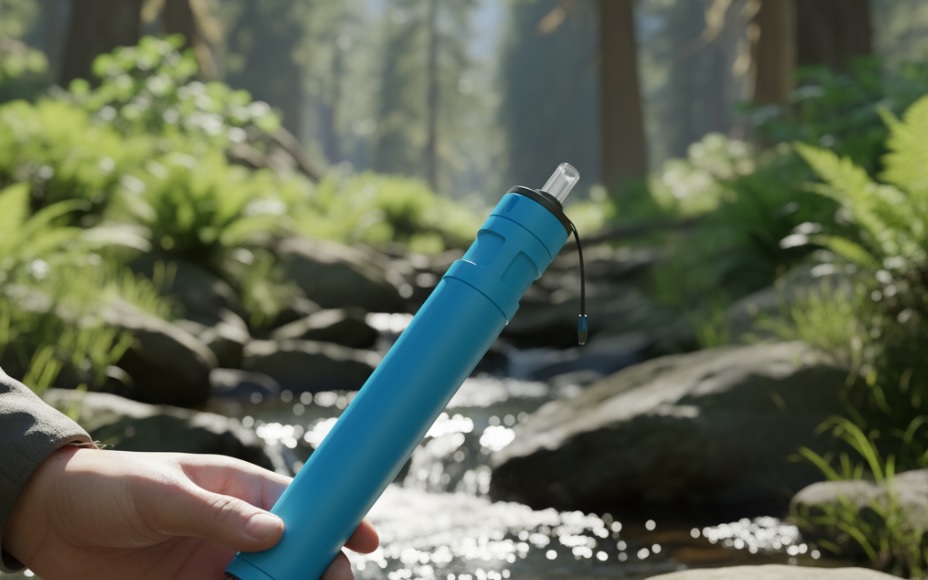
When you head into the wild, clean drinking water isn't always easy to find. Lakes, rivers, and streams might look clear, but they often carry bacteria, parasites, and other invisible threats. That's where a reliable portable water filter comes in. It gives you peace of mind and keeps you safe without weighing down your pack.
Not all filters work the same way. Some are fast but bulky. Others are light but slow. Some remove viruses; others don't. Choosing the right one depends on where you camp, how long you stay, and how many people you're with.
After testing dozens of options and reading hundreds of real user reviews, we've narrowed down the top performers. These are the best portable water filters for camping-based on reliability, ease of use, weight, and what actual campers say about them.
What to Look for in a Portable Water Filter
Before diving into specific models, it helps to understand what makes a good camping water filter.
- Filter Type: Most portable filters use hollow fiber membranes to block bacteria and protozoa. Only a few also handle viruses-those usually include chemical or UV treatment.
- Flow Rate: Measured in liters per minute, this tells you how fast you get clean water. A slow filter can be frustrating after a long hike.
- Weight and Size: Backpackers need something light and compact. Car campers can afford a bit more bulk.
- Durability: It should survive drops, cold weather, and repeated use without breaking.
- Ease of Use: You shouldn't need a manual to figure it out. Simple is better when you're tired or in the rain.
- Filter Life: How many liters can it clean before you replace it? Longer life means fewer replacements on long trips.
Top Picks for 2026
1. Sawyer Products Mini Water Filtration System
The Sawyer Mini is one of the most popular choices among hikers and campers. It's small-about the size of a soda can-and weighs just 2 ounces. Despite its size, it filters up to 100,000 gallons of water, which is more than enough for years of weekend trips.
You can drink directly from the filter, attach it to a water bottle, or use it with a hydration pack. It removes 99.9999% of bacteria (like E. coli) and 99.999% of protozoa (like Giardia). It does not remove viruses, so it's best used in North America where viral contamination is rare.
Pros:
- Extremely lightweight and compact
- Long filter life
- Versatile-works with bottles, bags, or straws
- Affordable
Cons:
- Slow flow rate when used as a straw
- Requires backflushing to maintain flow
- No virus protection
2. LifeStraw Personal Water Filter
If you want the simplest option, the LifeStraw is hard to beat. It's a straw-style filter you dip straight into a water source and sip through. No setup, no pumping-just drink.
It removes bacteria and protozoa with a 0.2-micron hollow fiber membrane. Like the Sawyer Mini, it doesn't handle viruses. But for solo hikers or emergency kits, it's a solid choice. Many users keep one in their bug-out bag or car just in case.
Pros:
- Super easy to use
- Lightweight (2 ounces)
- No moving parts to break
- Great for emergencies
Cons:
- You can't store filtered water-you drink as you go
- Not ideal for groups
- No virus removal
3. Katadyn BeFree 1.0L Water Filter
The Katadyn BeFree stands out for its speed and comfort. The soft flask collapses when empty, saving space, and the filter screws right onto the top. You fill it, squeeze, and drink-clean water comes out fast.
Its 0.1-micron membrane blocks bacteria and protozoa effectively. The flow rate is among the best in its class, especially when the filter is new. Campers love how easy it is to clean-just shake it in clean water.
Pros:
- Fast flow rate
- Comfortable to drink from
- Easy to clean
- Compact when collapsed
Cons:
- Flask can tear if mishandled
- Filter life is shorter than Sawyer's (1,000 liters)
- No virus protection
4. MSR Guardian Purifier
For serious backcountry trips-especially outside North America-the MSR Guardian is worth the investment. It's one of the few portable filters that also removes viruses, thanks to its advanced hollow fiber technology and high-pressure pump.
It pumps quickly (2.5 liters per minute) and works in freezing temps. Military and expedition teams rely on it because it's tough and thorough. You can filter directly into bottles or cook pots, which is great for groups.
Pros:
- Removes viruses, bacteria, and protozoa
- Very fast flow rate
- Works in cold conditions
- Durable and field-serviceable
Cons:
- Heavy (17.3 ounces)
- Expensive
- Bulkier than other options
5. Grayl Geopress Purifier
The Grayl Geopress looks like a travel mug but works like a high-tech purifier. You fill the outer chamber with dirty water, press the inner vessel down, and in 8 seconds you have 24 ounces of clean water.
It uses a combination of electroabsorption and activated carbon to remove viruses, bacteria, protozoa, chemicals, heavy metals, and even microplastics. That makes it one of the most complete solutions available.
Pros:
- Removes viruses and chemicals
- Fast and simple to use
- Doubles as a water bottle
- Great taste-carbon improves flavor
Cons:
- Cartridge lasts only 65 liters
- Heavier than straw or squeeze filters
- More expensive per liter over time
How to Choose
If you camp alone in the U.S. or Canada, a lightweight filter like the Sawyer Mini or LifeStraw will serve you well. They're cheap, light, and effective against the most common threats.
For families or group trips, consider something faster like the Katadyn BeFree or MSR Guardian. You'll spend less time waiting for water and more time enjoying the outdoors.
If you travel internationally-especially to areas with poor sanitation-choose a purifier that handles viruses. The MSR Guardian and Grayl Geopress are your best bets.
Also think about how you'll carry water. If you use a hydration bladder, make sure the filter connects easily. If you prefer bottles, check compatibility before buying.
Maintenance Tips
Even the best filter won't last long if you don't care for it. Here's how to keep yours working:
- Backflush regularly: For hollow fiber filters like Sawyer, push clean water backward through the system to clear debris.
- Dry before storing: Moisture breeds mold. Let your filter air-dry completely before packing it away.
- Don't freeze: Ice can crack the filter membrane. In cold weather, sleep with it in your sleeping bag.
- Replace cartridges on time: Don't push beyond the rated life-contaminants can slip through.
Bottom Line
Clean water is non-negotiable in the backcountry. A good portable filter protects your health and makes your trip more enjoyable. The best one for you depends on your style of camping, your destination, and your budget.
For most weekend hikers, the Sawyer Mini offers the best mix of price, weight, and performance. If you want speed and comfort, go with the Katadyn BeFree. And if you're heading somewhere with questionable water quality, invest in the MSR Guardian or Grayl Geopress.
Whichever you choose, test it at home before your trip. Get used to how it works, how fast it flows, and how to clean it. That way, when you're miles from the nearest tap, you'll know exactly what to do.
Comparison Table
| Model | Weight | Removes Viruses? | Filter Life | Flow Rate | Best For |
|---|---|---|---|---|---|
| Sawyer Mini | 2 oz | No | 100,000 gal | Slow to moderate | Solo hikers, budget users |
| LifeStraw | 2 oz | No | 1,000 L | Slow (straw only) | Emergencies, solo use |
| Katadyn BeFree 1.0L | 2 oz (filter only) | No | 1,000 L | Fast | Fast hydration, comfort |
| MSR Guardian | 17.3 oz | Yes | 10,000 L | Very fast (2.5 L/min) | Expeditions, international travel |
| Grayl Geopress | 14.5 oz | Yes | 65 L | Very fast (8 sec per press) | Chemical removal, urban travel |
Remember: no filter is perfect for every situation. But with the right one in your pack, you'll never have to worry about your next drink.


