




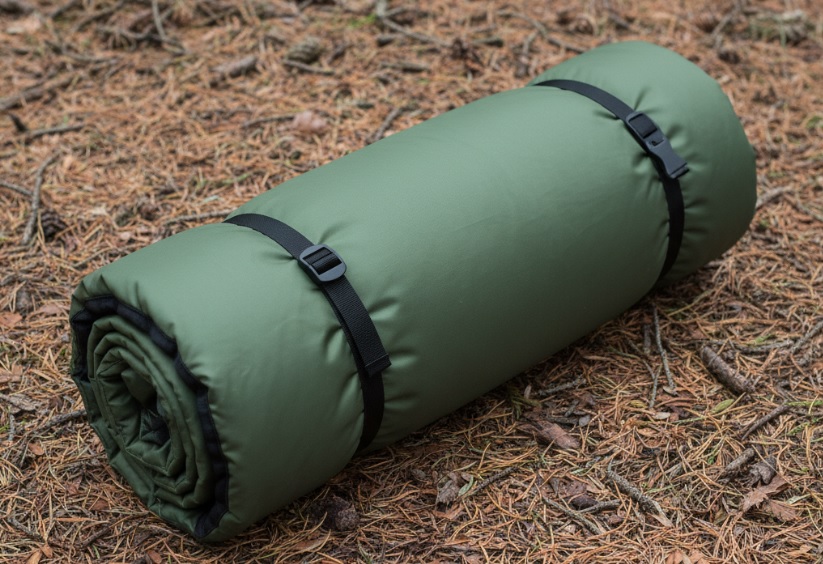
A good sleeping bag can turn a chilly night outdoors into a comfortable, restful experience. Hiking into the mountains, backpacking through forests, or camping in your backyard all demand a bag that keeps you warm and comfortable. With so many styles, materials, and temperature ratings available, it's easy to get lost in the options. This guide will explain the most important things to consider - from insulation and weight to shape and durability.
Understand Temperature Ratings
One of the most important things to look at is the temperature rating. This number tells you how cold it can get before you start feeling uncomfortable. Most sleeping bags list a "comfort rating" and a "limit rating."
- Comfort rating - the lowest temperature at which an average person can sleep comfortably.
- Limit rating - the lowest temperature at which the bag will keep you from getting dangerously cold (but you might still feel chilly).
If you're planning to camp in summer, a bag rated for 30°F to 50°F (-1°C to 10°C) will work fine. For three-season use (spring, summer, fall), look for something in the 15°F to 30°F (-9°C to -1°C) range. Winter campers need bags rated below 15°F (-9°C).
Keep in mind that these ratings are based on a standard adult in typical conditions. If you get cold easily, choose a bag rated for colder temperatures than you expect to face.
Choose the Right Shape
Sleeping bags come in three main shapes: rectangular, semi-rectangular, and mummy.
Rectangular Bags
These are roomy and comfortable. They give you plenty of space to move around, which makes them great for car camping or casual use. However, they're not very efficient at trapping heat because of all the extra air space inside. You'll also find they're heavier and bulkier, so they're not ideal for backpacking.
Semi-Rectangular Bags
This shape is a middle ground. It offers more warmth than a rectangular bag while still giving you some room to move. It's a good choice if you want comfort but also plan to do some light hiking or backpacking.
Mummy Bags
Mummy bags are snug and tapered, with a hood that wraps around your head. They're designed to minimize dead air space, which makes them the warmest option for their weight. If you're heading into cold weather or carrying your gear long distances, this is the best shape. Just be aware that some people feel claustrophobic in them.
Pick the Right Insulation Type
Insulation is what keeps you warm. There are two main types: down and synthetic.
Down Insulation
Down comes from the soft undercoating of ducks or geese. It's lightweight, highly compressible, and lasts a long time if cared for properly. Down provides excellent warmth for its weight, which is why it's popular among backpackers.
However, down loses its insulating power when it gets wet. It also takes a long time to dry. If you're camping in a dry climate or can keep your bag protected from moisture, down is a great choice.
Synthetic Insulation
Synthetic fill is made from polyester fibers. It's heavier and bulkier than down, but it keeps you warm even when wet. It also dries faster and costs less. Synthetic bags are ideal for damp environments, rainy trips, or if you're on a tight budget.
Recent improvements in synthetic materials have closed the gap with down in terms of warmth-to-weight ratio, so don't assume synthetic is always inferior.
Consider the Weight and Packability
If you're backpacking, every ounce matters. A lighter bag means less strain on your body over long distances. Down bags usually win here, but some modern synthetic bags are surprisingly light.
Also think about how small the bag packs down. A bulky sleeping bag takes up valuable space in your backpack. Look for bags that come with a compression sack or that compress well on their own.
For car camping, weight and size aren't as critical. You can go for a heavier, roomier bag that prioritizes comfort over portability.
Check the Shell and Lining Materials
The outer shell and inner lining affect durability, comfort, and moisture resistance.
Most shells are made from nylon or polyester. Look for ripstop fabric-it has a special weave that prevents small tears from spreading. A durable water repellent (DWR) coating helps shed light rain and dew.
The lining should feel soft against your skin. Common materials include brushed polyester or nylon. Some high-end bags use silk or cotton blends for extra comfort, but these are less common and often heavier.
Avoid bags with rough or scratchy linings, especially if you plan to sleep directly in the bag without clothes.
Look at Additional Features
Small details can make a big difference in real-world use.
- Hood - A well-fitted hood traps heat around your head, which is crucial in cold weather.
- Zipper quality - A smooth, snag-free zipper matters more than you think. Two-way zippers let you vent heat by opening from the bottom.
- Draft tube - This is a tube of insulation that runs along the zipper to block cold air from sneaking in.
- Stash pockets - Handy for keeping your phone, headlamp, or lip balm close at night.
- Pad loops or sleeves - These help attach your sleeping pad so you don't roll off it in the middle of the night.
Don't overpay for features you won't use. If you're only camping in summer, you probably don't need a full hood or a heavy draft tube.
Think About Your Sleeping Style
Are you a side sleeper? Do you toss and turn? Do you sleep hot or cold?
If you move a lot in your sleep, a mummy bag might feel too restrictive. A semi-rectangular or even a quilt-style bag (which is open on one side) could be more comfortable.
If you sleep cold, go for a lower temperature rating and consider adding a sleeping bag liner for extra warmth. If you sleep hot, choose a bag with good ventilation options, like a full-length zipper you can open wide.
Know Your Budget
Sleeping bags range from $30 to over $500. You don't always have to spend a fortune, but very cheap bags often use low-quality insulation and thin fabrics that won't last.
For occasional summer camping, a $50-$100 synthetic bag is plenty. If you're serious about backpacking or winter trips, investing $200-$400 in a quality down bag pays off in weight savings, durability, and warmth.
Watch for sales at the end of camping season-many retailers discount gear in late fall.
Try Before You Buy (If Possible)
If you can, visit an outdoor store and crawl into a few bags. Check how the zipper feels, how roomy the footbox is, and whether the hood fits your head comfortably.
Make sure your feet aren't cramped and that you can zip the bag all the way up without straining. A bag that feels too tight in the store will feel worse after hours of lying in it.
Take Care of Your Sleeping Bag
A good sleeping bag can last 10 years or more if you treat it right.
Never store it compressed. Keep it loose in a large cotton sack or hang it in a closet. Washing it too often breaks down the insulation, so spot-clean when possible. When you do wash it, use a front-loading machine and a cleaner made specifically for down or synthetic fill.
Always air it out after a trip to remove moisture and odors. This simple step prevents mildew and keeps your bag fresh.
Important Tips
Ask yourself a few key questions:
- Where and when will I use this bag?
- How much weight can I carry?
- Do I sleep warm or cold?
- Will I be in wet or dry conditions?
- How often will I use it?
Your answers will point you toward the right type, shape, and insulation.
Remember, a sleeping bag is your bed in the wild. Investing time in choosing the right one means better sleep and more comfort.
Frequently Asked Questions (FAQ)
Can I use a summer sleeping bag in winter?
No. Summer bags aren't insulated enough for cold weather. You risk hypothermia. Always match the bag's temperature rating to your expected conditions.
What's the difference between men's and women's sleeping bags?
Women's bags are usually cut narrower at the shoulders and wider at the hips. They also often have extra insulation in the torso and footbox because women tend to feel colder in those areas.
Do I need a sleeping pad too?
Yes. A sleeping bag only insulates you from the top. The ground pulls heat away from your body, so a pad is essential for warmth and comfort.
How do I know if a bag is too small?
When lying flat, your feet should not press against the end. You should be able to move your arms slightly without straining the zipper. If you're over 6 feet tall, look for "long" versions.
Can I wash my sleeping bag at home?
Yes, but only in a front-loading washing machine. Top-loaders with agitators can damage the insulation. Use a gentle cycle and a specialized cleaner-never regular detergent.
What's a sleeping bag liner for?
A liner adds a few degrees of warmth, keeps your bag cleaner (so you wash it less), and can improve comfort. Some liners are made of silk, cotton, or synthetic materials.


