




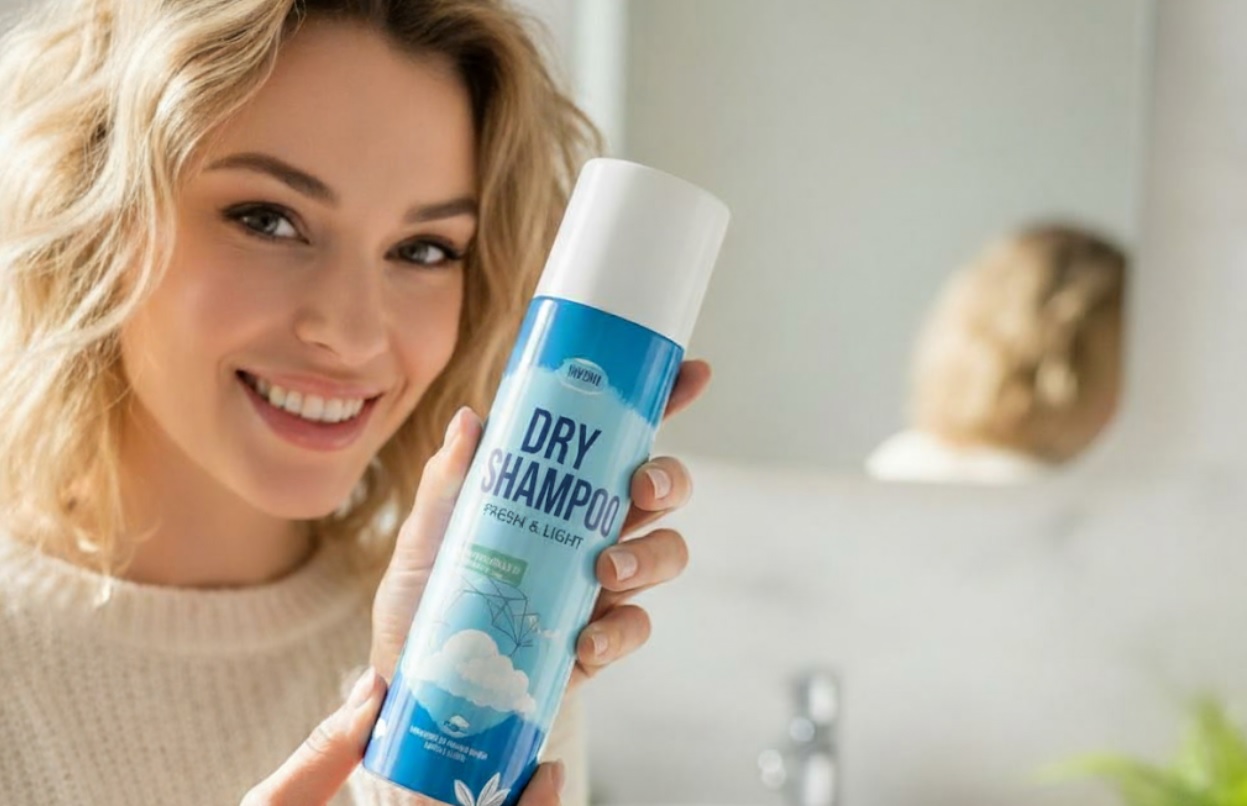
Waking up late, running out the door, or just not feeling like washing your hair today? Dry shampoo can be your best friend. It soaks up oil, adds volume, and makes your hair look freshly washed-without water.
Looking for the right dry shampoo can be confusing with so many choices out there. This guide makes it easy to find one that works for you..
What Is Dry Shampoo?
Dry shampoo is a hair product that cleans your hair without using water. Most come in aerosol sprays, powders, or foams. They work by absorbing excess oil from your scalp and strands. That oil is what makes hair look flat and greasy after a day or two without washing.
Think of dry shampoo like a sponge for your roots. It doesn't actually wash your hair, but it gives it a cleaner, fresher look and feel. Many people use it between regular washes to stretch out their hair routine.
Why Use Dry Shampoo?
You might wonder why you'd skip a real wash. There are good reasons:
- It saves time on busy mornings.
- It helps protect color-treated hair from fading too fast.
- It adds texture and volume to fine or flat hair.
- It reduces how often you need to wash your hair, which can keep natural oils balanced.
Over-washing can strip your scalp of its natural oils. That often leads to dryness or even more oil production as your scalp tries to compensate. Dry shampoo helps you find a middle ground.
Types of Dry Shampoo
Not all dry shampoos are the same. The form you choose depends on your hair type, lifestyle, and what you want it to do.
Aerosol Sprays
These are the most common. They spray on easily and cover a wide area fast. The propellant helps spread the powder evenly. You'll find them in drugstores, salons, and online. They work well for most hair types, especially if you're in a hurry.
Powders
Powder dry shampoos come in jars or shakers. You apply them directly to the roots with your fingers or a brush. They're great for people who want to avoid aerosols or chemicals in propellants. Powders give you more control over where you apply product, which is helpful for thick or curly hair.
Foams and Mousses
Less common but growing in popularity, foam dry shampoos feel lighter and leave less residue. They're a good choice if you hate the chalky look some sprays leave behind. Foams also work well on short hair or styles that need hold without stiffness.
Tinted vs. Clear
If you have dark hair, a white or light powder can leave a dusty look. Tinted dry shampoos come in shades like brown, black, or red to blend with your natural color. Clear formulas work best for light blondes or gray hair. Always check the label to see if the product matches your hair shade.
Key Ingredients to Look For
Reading the ingredient list might seem boring, but it matters. Some ingredients clean better. Others are gentler on your scalp. Here's what to watch for:
- Starches (rice, corn, or tapioca): These absorb oil without drying out your scalp too much.
- Clays (kaolin or bentonite): Natural minerals that pull out grease and add texture.
- Alcohol: Helps the product dry fast, but too much can cause dryness or irritation.
- Fragrance: Makes your hair smell fresh, but strong scents may bother sensitive skin.
If you have a sensitive scalp, look for formulas labeled "fragrance-free" or "dermatologist-tested." Avoid products with parabens, sulfates, or artificial dyes if those tend to irritate your skin.
How to Choose Based on Your Hair Type
Your hair type plays a big role in which dry shampoo works best for you. Don't pick one just because it's popular-match it to your needs.
Fine or Thin Hair
You need lift and body. Look for lightweight formulas that won't weigh hair down. Volumizing dry shampoos often contain rice starch or silica. Spray at the roots and massage in with your fingertips to create bounce.
Thick or Coarse Hair
Oil takes longer to travel down thick strands, but when it builds up, it's harder to manage. Powders or stronger-absorbency sprays work better here. You might need to apply more product, but focus only on oily areas-usually the crown and hairline.
Curly or Wavy Hair
Curls tend to be drier, so avoid anything too drying. Foams or powders with moisturizing ingredients like aloe or glycerin help. Apply gently to avoid disrupting your curl pattern. A little goes a long way.
Color-Treated Hair
Chlorine, hard water, and frequent washing fade color fast. Dry shampoo helps you wash less, which protects your dye job. Choose sulfate-free options and avoid anything with harsh alcohols. Some brands even make formulas specifically for blondes, brunettes, or redheads.
How to Use Dry Shampoo the Right Way
Using dry shampoo wrong can leave white streaks, make hair stiff, or even cause buildup. Follow these steps for best results:
- Shake the can well before spraying.
- Hold it 6-10 inches away from your head.
- Spray in short bursts at the roots, especially where hair looks oily (usually the crown and sides).
- Wait 1-2 minutes to let it absorb.
- Massage it in with your fingers or brush through to remove excess powder.
Don't overdo it. One or two applications between washes is enough. If you use it every day for a week, your scalp might get clogged. Rinse your hair properly at least twice a week to keep things clean and healthy.
Mistakes to Avoid
Even experienced users make these common errors:
- Applying too close: This causes clumping and white residue.
- Using it on wet hair: Dry shampoo only works on dry hair. Never spray it after a shower.
- Skipping the brush-out: Always brush or massage after applying. Otherwise, it looks dusty.
- Using it as a full replacement for washing: It's a helper, not a substitute. Your scalp still needs real cleaning.
Price vs. Performance
Dry shampoo ranges from $3 drugstore bottles to $30 salon brands. Does price matter? Sometimes-but not always.
Budget options often work just fine for occasional use. Premium brands may include better ingredients, gentler formulas, or nicer scents. If you use dry shampoo daily, investing in a higher-quality version might be worth it for your scalp's health.
Try a travel size first before buying a full bottle. Many brands offer mini versions so you can test without wasting money.
Top Tips for Getting the Most Out of Dry Shampoo
- Use it at night before bed. It absorbs oil while you sleep, so you wake up with fresher hair.
- Flip your head upside down while applying for better root coverage.
- Keep a can in your gym bag, car, or desk drawer for quick touch-ups.
- Pair it with dry conditioner if your ends feel dry-dry shampoo only treats the roots.
When Not to Use Dry Shampoo
Dry shampoo isn't magic. There are times to skip it:
- If your scalp is flaky, itchy, or has dandruff-dry shampoo can make it worse.
- If you've been sweating heavily (like after a workout). Sweat and oil mix can clog pores.
- If you notice buildup or your hair feels stiff. That means it's time for a real wash.
Listen to your hair. If it feels heavy, looks dull, or smells off, no amount of dry shampoo will fix it. Just shampoo the old-fashioned way.
FAQ
How often can I use dry shampoo?
Two to three times a week is safe for most people. Don't go more than two days in a row without washing your hair with water and shampoo.
Can dry shampoo cause hair loss?
Not directly. But if you use it too much without washing, buildup can clog hair follicles and weaken strands over time. Wash regularly to avoid this.
Does dry shampoo work on all hair colors?
Yes, but you must choose the right shade. Clear or light formulas suit blondes and grays. Tinted versions (brown, black, etc.) blend better with darker hair.
Can I use dry shampoo on extensions or braids?
Yes, but be gentle. Spray lightly at the roots and avoid soaking the bonds or tracks. Powder formulas may be safer for synthetic hair.
Why does my hair feel stiff after using dry shampoo?
You probably used too much or didn't brush it out well. Shake less next time and always massage or brush through after applying.
Is dry shampoo safe for sensitive skin?
Some are, some aren't. Look for labels that say "hypoallergenic," "fragrance-free," or "for sensitive scalps." Test a small area first if you're unsure.


