




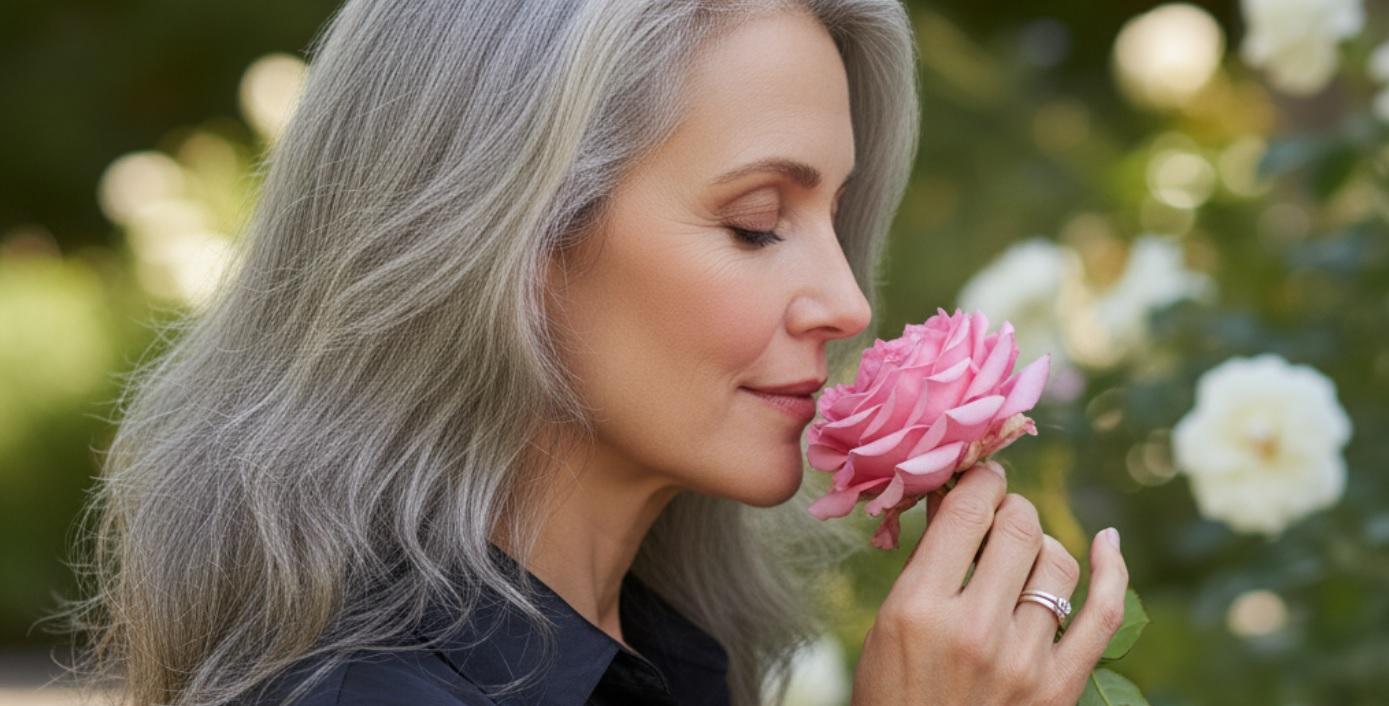
Gray hair shows up differently for everyone. For some, it starts in their twenties. For others, it waits until their forties or later. No matter when it arrives, it can feel like a surprise-even if you've seen it coming. The good news? You don't have to hide it, fight it, or feel stuck with it. There are many smart, simple ways to manage gray hair and even make it work for you.
This guide gives you real, tested ideas.
Why Does Hair Turn Gray?
Your hair gets its color from pigment cells called melanocytes. As you age, these cells slow down or stop working. Without enough pigment, new strands grow in clear or white. Because of how light reflects off them, they look gray or silver.
Stress, genetics, diet, and health conditions can all play a role. Some people gray early because their parents did. Others notice changes after big life events. While you can't stop the process completely, you can control how you respond to it.
Option 1: Embrace Your Natural Gray
More people are choosing to let their gray hair show. It's low-maintenance, honest, and often looks striking when cared for properly. If you go this route, focus on keeping your hair healthy and shiny.
Keep It Clean and Bright
Gray hair tends to look dull or yellowish over time. That's because of product buildup, hard water minerals, or sun exposure. A purple or blue-tinted shampoo once or twice a week can cancel out those warm tones.
- Use a color-correcting shampoo made for gray, silver, or white hair.
- Don't overdo it-too much purple shampoo can leave a bluish cast.
- Rinse with cool water to seal the hair cuticle and boost shine.
Moisturize Often
Gray hair is often drier than pigmented hair. The scalp produces less oil as you age, and gray strands absorb moisture less easily. Dry hair looks frizzy and lifeless.
Use a good conditioner every time you wash. Once a week, add a deep conditioning mask. Look for ingredients like shea butter, argan oil, or glycerin. Avoid heavy silicones-they coat the hair but don't add real moisture.
Get the Right Cut
A fresh haircut makes gray hair look intentional and stylish. Short styles like bobs or pixie cuts show off silver tones beautifully. If you keep your hair long, layers add movement and reduce bulk.
Talk to your stylist about what suits your face shape and lifestyle. A good cut reduces daily styling time and keeps your look sharp.
Option 2: Cover Gray Hair with Color
If you prefer to hide your grays, coloring is a reliable choice. You have options-from drugstore boxes to salon visits. Each has pros and cons.
At-Home Hair Dye
Box dyes are affordable and convenient. Many now include gray coverage formulas. Still, results vary based on your natural color, hair texture, and how much gray you have.
- Pick a shade close to your natural color or slightly lighter.
- Do a strand test first to check the result and timing.
- Follow instructions exactly-gray hair often needs longer processing time.
- Use gloves and protect your skin with petroleum jelly along the hairline.
Roots will show in 3-5 weeks. Plan for regular touch-ups or try a root spray for quick fixes between colorings.
Salon Color Services
A professional colorist gives you better coverage and healthier results. They can blend your grays naturally, especially if you have a mix of dark and light strands.
Ask about demi-permanent color. It lasts 4-6 weeks, fades gently, and causes less damage than permanent dye. It's great if you're new to coloring or want to test the waters.
Full permanent color gives the longest coverage but requires more upkeep. Highlights or lowlights can also soften the contrast between pigmented and gray hair.
Care for Colored Hair
Colored hair needs extra love. Use sulfate-free shampoos-they're gentler and help color last longer. Wash less often if you can, and always follow with conditioner.
Heat styling speeds up fading. When you use a blow dryer, flat iron, or curling wand, apply a heat protectant first. Try air-drying when possible.
Option 3: Blend or Soften the Look
You don't have to go fully gray or fully colored. Many people choose a middle path. This approach looks natural and grows out gracefully.
Try Highlights or Lowlights
Adding subtle highlights around your face can break up large patches of gray. Lowlights (darker strands) add depth if your gray is very bright.
These techniques work well if you're 30-70% gray. They reduce the "two-tone" effect that happens when roots grow out.
Use Root Concealers
Temporary root sprays, powders, or crayons match your hair color and last until your next shampoo. They're perfect for job interviews, events, or days when you're not ready to commit to full color.
- Apply to dry hair only.
- Hold the spray 6-8 inches away for even coverage.
- Wash out thoroughly-buildup can dull your hair over time.
Healthy Habits for Gray Hair
No matter your choice-gray, colored, or blended-healthy hair starts from within and with daily care.
Eat Well
Your diet affects hair strength and shine. Protein, iron, vitamin B12, and omega-3s support hair health. Foods like eggs, spinach, salmon, nuts, and sweet potatoes help.
Stay hydrated. Water keeps your scalp and strands supple. Dehydration makes hair brittle and prone to breakage.
Avoid Damage
Gray hair is more fragile. It breaks easier and tangles more. Be gentle when brushing-start from the ends and work your way up. Use a wide-tooth comb on wet hair.
Limit chemical treatments like relaxers or perms. If you must use heat tools, keep the temperature below 350°F (177°C).
Protect from the Sun
UV rays fade both natural gray and dyed hair. They also dry out your scalp. Wear a hat on sunny days or use hair products with UV filters.
Common Mistakes to Avoid
Even with good intentions, it's easy to make choices that backfire. Watch out for these traps:
- Choosing a color too dark: Jet-black dye on gray hair often looks harsh and unnatural. Go one or two shades lighter than you think.
- Skipping conditioning: Dry gray hair looks dull. Don't skip moisturizing-even if you color your hair.
- Over-washing: Washing every day strips natural oils. Try every other day or use dry shampoo on off days.
- Ignoring your eyebrows: If your hair goes gray, your brows might too. Tinted brow gel keeps your face looking balanced.
Confidence Is Your Best Accessory
How you feel about your hair matters more than the color itself. People notice your energy, your smile, your posture-not whether you have a few silver strands.
If you decide to go gray, own it. If you color your hair, enjoy the ritual. There's no single "right" way. What works for your friend might not suit you-and that's okay.
Take time to experiment. Try a new product. Visit a stylist for a consultation. Give yourself permission to change your mind later. Hair grows back. Choices can be adjusted.
Conclusion
Gray hair isn't a problem to fix-it's a part of life. How you manage it depends on your personality, routine, and what makes you feel like yourself.
Focus on health first. Clean, moisturized, well-cut hair looks good at any age and in any color. Then decide: cover it, blend it, or celebrate it. You've got options, and none of them are wrong.
Start small. Try a purple shampoo. Book a trim. Test a root spray. Each step brings you closer to a look you love-without stress or guesswork.


