




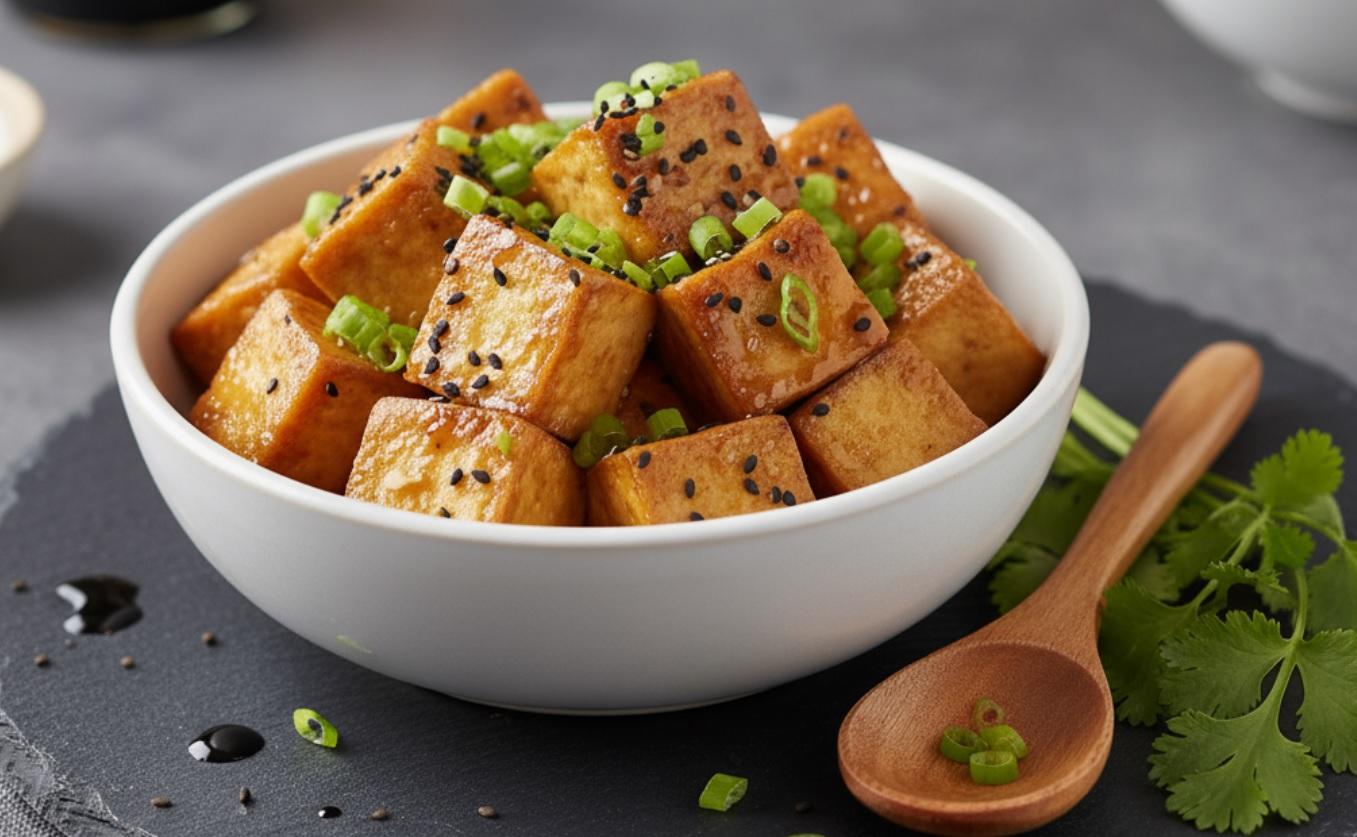
Tofu is a simple, tasty, and healthy addition to any meal. Made from soybeans, it has been used in Asian cooking for centuries and is now enjoyed worldwide. Its mild flavor and soft texture make it easy to include in plant-based meals, and its nutrients support overall health. For vegetarians or anyone looking to eat more plants, tofu is a great choice.
What Exactly Is Tofu?
Tofu starts with soybeans. These beans are soaked, ground, and boiled to create soy milk. Then, a natural coagulant-like nigari or calcium sulfate-is added to the milk. This causes the proteins to curdle and form soft blocks, which are pressed into the familiar white slabs you see in stores. The result is a versatile food that soaks up flavors easily and works in everything from stir-fries to smoothies.
You can find tofu in several textures: silken (very soft), soft, firm, and extra-firm. Each type suits different recipes. Silken tofu blends well into sauces or desserts, while firm tofu holds its shape in soups or grilled dishes.
Why Your Body Will Thank You for Eating Tofu
Tofu isn't just a meat substitute-it's a nutrient powerhouse. Every bite delivers high-quality plant protein, essential minerals, and healthy fats. Here's a closer look at what makes tofu so good for you.
1. A Great Source of Plant-Based Protein
Protein keeps you full, helps repair your muscles, and supports your immune system. Tofu provides about 10 grams of protein per half-cup serving. That's comparable to many animal-based proteins but without the saturated fat. If you don't eat meat, eggs, or dairy, tofu can help you meet your daily protein needs without relying on supplements.
2. Supports Strong Bones
Many brands of tofu are made with calcium sulfate, which adds a good amount of calcium to each serving. Calcium is vital for strong bones and teeth. One serving of calcium-set tofu can give you up to 20-35% of your daily calcium requirement. This is especially helpful if you avoid dairy products due to allergies, intolerance, or dietary choices.
3. Good for Your Heart
Heart disease remains a leading cause of death worldwide, but your diet can play a big role in prevention. Tofu contains no cholesterol and very little saturated fat. It's also rich in unsaturated fats, which help lower bad LDL cholesterol levels. Studies show that people who eat soy foods like tofu regularly tend to have healthier blood pressure and a lower risk of heart problems.
4. May Help Manage Weight
If you're watching your weight, tofu can be a smart choice. It's low in calories but high in protein and water content, which helps you feel satisfied longer. Replacing higher-calorie meats with tofu in meals like tacos, curries, or salads can reduce your overall calorie intake without leaving you hungry.
5. Rich in Important Vitamins and Minerals
Beyond protein and calcium, tofu delivers other key nutrients:
- Iron: Needed for healthy blood and energy levels.
- Manganese: Supports bone health and metabolism.
- Selenium: Acts as an antioxidant to protect your cells.
- Phosphorus: Works with calcium to build strong bones.
- Magnesium: Helps with muscle and nerve function.
These nutrients work together to keep your body running smoothly. Even small, regular servings of tofu can contribute meaningfully to your daily intake.
6. May Lower Risk of Certain Cancers
Research suggests that eating soy foods like tofu might reduce the risk of some cancers, especially breast and prostate cancer. Soy contains natural compounds called isoflavones, which act like weak estrogens in the body. While this once raised concerns, newer studies show that moderate soy consumption is safe-and possibly protective-especially when eaten as whole foods like tofu rather than processed supplements.
Populations in Asia, where tofu and other soy foods are commonly eaten from a young age, tend to have lower rates of hormone-related cancers. This doesn't prove cause and effect, but it adds to the growing body of evidence supporting soy as part of a cancer-preventive diet.
7. Helps Balance Blood Sugar
Tofu has a low glycemic index, meaning it doesn't cause sharp spikes in blood sugar. Its combination of protein, healthy fats, and fiber (when paired with whole grains or vegetables) helps keep glucose levels steady. This makes tofu a smart addition to meals for people with type 2 diabetes or those trying to prevent it.
How to Add Tofu to Your Daily Meals
You don't need to be a chef to enjoy tofu. Its neutral taste makes it easy to pair with almost any flavor. Here are some simple ideas:
- Scramble firm tofu with turmeric, black salt, and veggies for a vegan "egg" breakfast.
- Blend silken tofu into smoothies for extra creaminess and protein.
- Marinate extra-firm tofu in soy sauce, garlic, and ginger, then bake or grill it.
- Add cubed tofu to soups, stews, or noodle bowls just before serving.
- Use blended silken tofu as a base for creamy salad dressings or dairy-free desserts.
One tip: press firm tofu before cooking to remove excess water. Wrap it in a clean towel, place a heavy pan on top, and let it sit for 15-30 minutes. This helps it absorb marinades better and gives it a firmer texture when cooked.
Is Tofu Safe for Everyone?
For most people, tofu is safe and healthy. However, a few considerations are worth noting:
- Soy allergies: If you're allergic to soy, avoid tofu completely.
- Thyroid concerns: Soy may interfere with thyroid medication absorption. If you take thyroid meds, talk to your doctor-but you likely don't need to avoid tofu altogether, just time your meals carefully.
- Processed vs. whole: Choose plain, minimally processed tofu over highly processed soy products like fake meats or soy protein isolates. Whole-food forms offer the best balance of nutrients.
In general, eating tofu a few times a week as part of a varied diet is perfectly fine-even beneficial-for most adults and children.
Debunking Common Myths About Tofu
Despite its benefits, tofu sometimes gets a bad rap. Let's clear up a few misunderstandings:
Myth: Tofu causes hormonal problems.
Reality: The isoflavones in soy are much weaker than human estrogen. Decades of research show that eating normal amounts of tofu does not disrupt hormones in men or women.
Myth: Tofu is bland and boring.
Reality: Tofu takes on the flavors you cook it with. With the right seasoning or sauce, it can be spicy, savory, sweet, or smoky.
Myth: All soy is genetically modified.
Reality: While much soy grown in the U.S. is GMO, you can easily find non-GMO or organic tofu in most grocery stores. Look for certified labels if this matters to you.
Conclusion
Tofu is more than a trendy health food—it's practical, affordable, and full of nutrients. If you’re reducing meat, exploring plant-based meals, or just looking for healthy options, tofu is a great choice. Try one simple recipe this week and see how much you enjoy it.
Your body doesn't need fancy supplements or extreme diets to stay healthy. Sometimes the best choices are simple, like a block of tofu, full of goodness and ready to become whatever you want it to be.


