




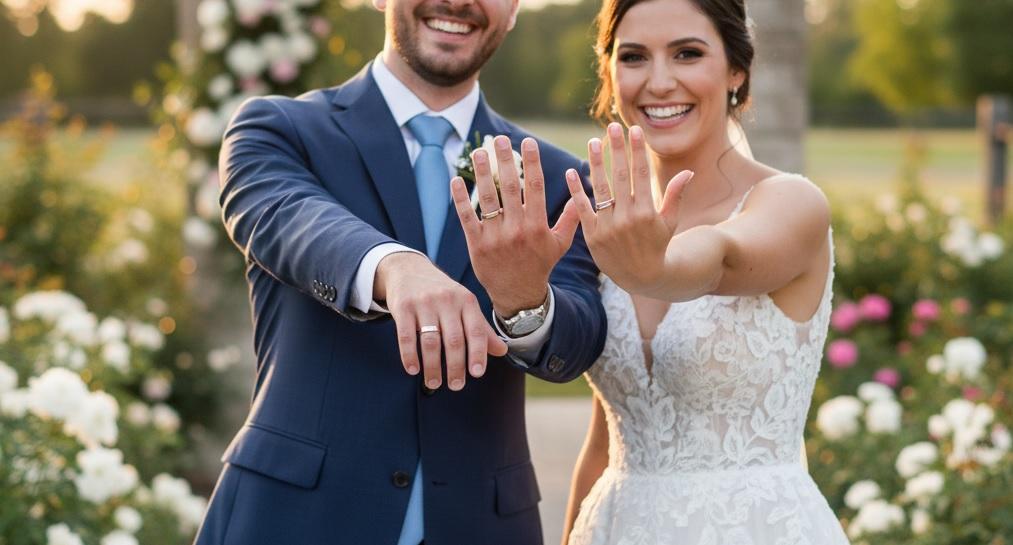
Wedding rings are one of the most meaningful symbols for a couple. These small bands stay on your fingers for years, representing love, commitment, and your shared journey. Since they're worn every day, it's important to find rings that match your style and budget. This guide explains metals, styles, and everything else you need to feel confident in a store or online.
Start With Your Budget
Before you fall in love with a ring you can't afford, decide how much you're willing to spend. Wedding rings don't have to cost a fortune. Many beautiful, high-quality options exist at every price point. Think about your overall wedding expenses and set a realistic number just for the rings.
Keep in mind that prices vary widely based on metal type, design complexity, and whether you add diamonds or other gemstones. A simple band in stainless steel might cost under $100, while a platinum ring with diamonds could run several thousand dollars.
Know the Popular Metal Choices
The metal you choose affects how your ring looks, feels, and lasts over time. Here are the most common options:
Gold
Gold remains a classic favorite. It comes in three main colors:
- Yellow gold: Traditional and warm, often chosen for its timeless look.
- White gold: Sleek and modern, usually plated with rhodium for extra shine.
- Rose gold: Romantic and trendy, with a soft pink hue that suits many skin tones.
Gold is measured in karats. 24K is pure gold but too soft for daily wear. Most wedding rings use 14K or 18K gold, which mix gold with other metals for strength.
Platinum
Platinum is naturally white, very durable, and hypoallergenic. It's denser and heavier than gold, which some people love. It also develops a soft patina over time instead of losing metal like white gold does. Platinum costs more than gold, but many couples see it as a long-term investment.
Palladium
Palladium belongs to the same metal family as platinum but is lighter and less expensive. It's naturally white, doesn't need rhodium plating, and resists tarnish well. A great middle ground if you like platinum's look but want to save money.
Titanium and Tungsten
These are modern, affordable choices often picked by people with active lifestyles. Titanium is lightweight and strong. Tungsten is extremely scratch-resistant but can shatter under heavy impact. Neither can be resized easily, so make sure you get the right size from the start.
Choose Your Own Style
Your wedding ring should match how you live. If you work with your hands, a simple, low-profile band makes more sense than one with raised details or stones. If you love fashion and jewelry, you might enjoy something more decorative.
Classic Bands
A plain, smooth band never goes out of style. It's comfortable, easy to clean, and works with any outfit. You can choose a polished finish for shine or a brushed/matte finish for a more understated look.
Channel-Set or Bezel-Set Rings
If you want sparkle but worry about stones getting loose, consider channel-set or bezel-set designs. In channel settings, diamonds sit between two metal walls. In bezel settings, each stone is surrounded by a thin metal rim. Both protect the stones better than prong settings.
Matching vs. Complementary Sets
Some couples like identical rings. Others prefer rings that look good together but reflect each person's personality. You might choose the same metal but different widths or finishes. There's no rule-you do what feels right for your relationship.
Get the Right Size
A ring that's too tight or too loose won't stay on your finger comfortably. Sizing is especially important because you'll wear this ring every day, often for the rest of your life.
Fingers can swell or shrink depending on the weather, time of day, or even your diet. For the most accurate fit, get sized at a jeweler in the afternoon when fingers are typically at their largest. If you're buying online, request a free sizing kit or visit a local store first.
Remember that some metals, like gold and platinum, can be resized later if needed. Others, like tungsten or ceramic, cannot. Ask about resizing policies before you buy.
Consider Comfort Fit
Not all rings feel the same on your finger. A "comfort fit" band has a rounded interior that slides on easily and reduces pressure. This design is especially helpful if you're not used to wearing rings or if you have sensitive skin.
Standard fit rings have a flat inner surface. They're less expensive but can feel tighter or cause rubbing over time. Try both styles if you can, and choose what feels best for you.
Think About Engraving
Many couples add a personal touch by engraving their rings. You might put your wedding date, initials, or a short phrase inside the band. Keep in mind that engraving takes up space, so it works best on wider rings.
Some jewelers offer free engraving, while others charge extra. Also, check if the ring's interior is wide enough for the text you want. Handwriting-style fonts look romantic but need more room than block letters.
Shop Smart: In-Store vs. Online
Both options have pros and cons. Visiting a jewelry store lets you try on rings, see real metal colors, and ask questions face-to-face. You also get immediate help with sizing and customization.
Shopping online gives you access to more styles and often lower prices. Many online retailers offer free returns, lifetime warranties, and virtual try-on tools. Just make sure the company has good reviews, clear return policies, and secure payment options.
If you buy online, double-check the ring's specifications-metal purity, width, thickness, and finish. Photos can be misleading, so read descriptions carefully.
Don't Forget Maintenance
Even the toughest ring needs a little care. Over time, dirt, lotion, and soap can build up and dull its shine. Clean your ring regularly with mild soap and warm water, or take it to a jeweler for professional cleaning.
White gold rings need rhodium replating every 1-2 years to stay bright. Platinum and palladium don't, but they may need polishing to restore their original luster. If your ring has stones, have a jeweler check the settings once a year to make sure nothing is loose.
Ask About Warranties and Insurance
A good jeweler stands behind their products. Look for a warranty that covers manufacturing defects, resizing, and sometimes even accidental damage. Some brands offer lifetime guarantees-read the fine print to understand what's included.
For extra peace of mind, consider adding your rings to your homeowner's or renter's insurance policy. You'll need an appraisal for this, which many jewelers provide for free or a small fee.
Take Your Time
This isn't a race. You don't need to buy rings the same day you start looking. Give yourselves room to explore, compare, and even sleep on your decision. The right rings should feel like "you"-not just today, but ten or twenty years from now.
Bring your partner along if you can. Even if you plan a surprise proposal, you can still shop for wedding bands together later. Shared decisions often lead to happier outcomes.
Imposrtant Tips
- Wear your ring size all day before finalizing your choice-comfort matters more than looks alone.
- Match your wedding ring to your engagement ring if you're wearing both. Some couples buy them as a set to ensure they fit perfectly together.
- Avoid trendy designs unless you're sure you'll love them long-term. Simple styles age better.
- Check if the jeweler offers trade-in or upgrade options in case your taste changes later.
- Trust your gut. If something feels off about a store or website, walk away.
Frequently Asked Questions (FAQ)
How much should I spend on wedding rings?
There's no fixed rule. Spend what fits your budget without causing stress. Many couples allocate 2-5% of their total wedding budget to rings, but that's just a guideline.
Can I wear my wedding ring every day?
Yes, that's the idea! But remove it during heavy chores, gym workouts, or swimming to avoid scratches, dents, or loss.
What if I don't like wearing rings?
Some people choose alternative symbols like tattoos, necklaces, or even matching watches. Talk openly with your partner about what feels right for both of you.
Should wedding rings match?
Not necessarily. Matching rings are traditional, but many modern couples choose complementary styles that reflect their individuality.
How long does it take to get wedding rings?
Ready-made rings can ship in days. Custom or engraved rings may take 2-6 weeks. Always order well before your wedding date.
Can I resize my wedding ring later?
Most gold and platinum rings can be resized by a professional jeweler. Titanium, tungsten, and ceramic rings usually cannot.


