




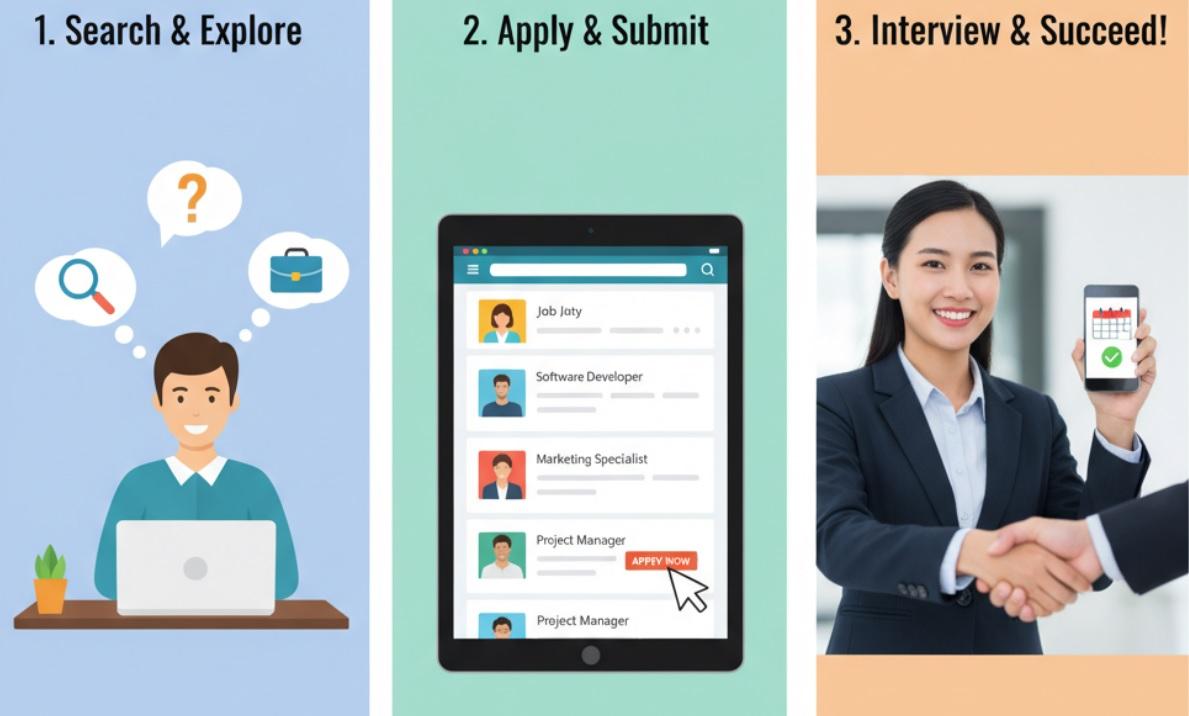
With the right approach, you can turn your computer into a powerful job-hunting tool. This guide will walk you through practical steps to find real opportunities without wasting time or getting discouraged.
Start With a Clear Goal
Before you open any job board or update your profile, ask yourself what kind of job you actually want. Do you prefer working from home or going into an office? Are you looking for full-time hours or something more flexible? Knowing your priorities helps you avoid applying to roles that won't suit you.
Write down a short list of must-haves. Maybe it's a certain salary range, a specific industry, or a company with strong values. Having this list keeps you focused and saves energy in the long run.
Build a Simple but Strong Resume
Your resume is often the first impression you make on a hiring manager. Keep it clean, clear, and honest. You don't need fancy designs or long paragraphs. Just stick to the facts that matter.
What to include in your resume:
- Contact information: Full name, phone number, professional email address.
- Work history: List your past jobs in reverse order (most recent first). Include your title, company name, dates of employment, and 2-4 short bullet points about what you did.
- Education: Mention your highest level of education and the name of your school.
- Skills: Add a short section with real abilities-like "Microsoft Excel," "Customer Service," or "Fluent in Spanish."
Avoid using vague phrases like "hard worker" or "team player." Instead, show those qualities through your experience. For example, "Handled 50+ customer calls per day with a 95% satisfaction rating" tells a clearer story.
Create or Update Your Online Profiles
Many employers check your online presence before even reading your resume. Make sure your digital footprint helps you-not hurts you.
Even if you're not in a corporate field, LinkedIn matters. Fill out your profile completely. Use a clear headshot, write a short summary that sounds like you, and list your experience just like on your resume. Turn on the "Open to Work" feature if you're comfortable with it-it's visible only to recruiters by default.
Other platforms
Depending on your field, other sites might be more useful. Graphic designers often use Behance or Dribbble. Writers might keep a portfolio on WordPress or Medium. Programmers share code on GitHub. Think about where people in your industry hang out online-and be there too.
Use the Right Job Search Websites
Not all job boards are created equal. Some are full of outdated listings or fake posts. Stick to trusted sources that match your career level and goals.
General job sites:
- Indeed
- LinkedIn Jobs
- ZipRecruiter
- Snagajob (great for hourly or entry-level roles)
Industry-specific sites:
- AngelList (for startup jobs)
- FlexJobs (for remote and flexible work)
- USAJobs (for U.S. government positions)
- Craigslist (use with caution-look for clear, professional posts)
Set up job alerts so new postings come straight to your inbox. Use filters to narrow results by location, salary, experience level, or job type. This saves you from scrolling through hundreds of irrelevant listings.
Search Smart-Not Just Hard
Instead of typing "jobs near me" into Google, try more specific searches. Use quotation marks to find exact phrases, like "entry-level graphic designer remote." Combine keywords that describe your ideal role: "part-time customer service work from home no experience."
Also, don't forget to check company websites directly. Many businesses post openings only on their own career pages. Make a short list of companies you admire and visit their sites every week or two.
Apply the Right Way
Applying to 50 jobs with the same generic resume rarely works. Tailor each application to the specific role. Read the job description carefully and mirror the language they use.
If they ask for "strong communication skills," mention a time you used those skills in your cover letter or resume. If they want someone "organized and detail-oriented," give an example that proves it.
Tips for better applications:
- Always include a cover letter unless the posting says not to.
- Keep your file names professional: "John_Doe_Resume_Marketing.pdf" not "resume_final_v3_updated.pdf."
- Double-check for spelling and grammar errors-ask a friend to read it if you can.
- Follow all instructions in the job post (like "include salary expectations" or "answer these three questions").
Watch Out for Scams
Unfortunately, job scams are common online. If something feels off, trust your gut. Real employers will never ask you to pay money to get a job. They won't request your bank details during the first interview. And they won't offer a high salary for almost no work.
Red flags to avoid:
- Job posts with poor grammar or lots of exclamation marks!!!
- Interviews that happen only over text or messaging apps.
- Requests to cash checks or buy gift cards as part of "training."
- Vague job descriptions with no company name or contact info.
When in doubt, search the company name plus the word "scam" to see if others have reported issues.
Follow Up Without Being Pushy
After you apply, wait about 5-7 business days. If you haven't heard back, send a short, polite email. Say you're still interested and ask if they need anything else from you.
Example: "Hi [Name], I applied for the [Job Title] position last week and wanted to confirm you received my materials. I'm very interested in this opportunity and would welcome a chance to discuss how I can contribute to your team."
Keep it friendly and professional. Even if they say no, you've made a good impression-which might help with future openings.
Stay Organized
When you're applying to multiple jobs, it's easy to lose track. Use a simple spreadsheet or notebook to log:
- Company name
- Job title
- Date you applied
- How you applied (website, email, etc.)
- Contact person (if known)
- Follow-up date
- Status (applied, interviewed, rejected, offered)
This system keeps you from applying twice to the same place and helps you prepare for interviews by reviewing your notes.
Take Care of Yourself
Job hunting is stressful. Rejection is part of the process-even for experienced professionals. Don't take it personally. Every "no" brings you closer to the right "yes."
Set a daily schedule for your search. Maybe 9-11 a.m. for applications, then a break. Avoid checking job sites all day-that leads to burnout. Go for a walk, talk to a friend, or do something that reminds you of your worth outside of work.
Celebrate small wins: a well-written cover letter, a positive response from a recruiter, even just sticking to your plan for the week.
Ask for Help When You Need It
You don't have to do this alone. Reach out to former coworkers, teachers, or family friends. Let them know you're looking. Many jobs are filled through referrals before they're even posted online.
Join local job clubs or online groups for job seekers in your area. People share leads, give feedback on resumes, and offer moral support. Sometimes just talking to someone who gets it makes a big difference.
Keep Learning
If you keep getting rejected for the same reason-like "not enough experience"-consider building new skills. Free or low-cost options include:
- Google Career Certificates (on Coursera)
- Khan Academy
- YouTube tutorials
- Local community college workshops
Even a short course can give you something concrete to add to your resume and talk about in interviews.
Be Patient-but Persistent
Most people don't land a job in a day. It can take weeks or even months. That's normal. What matters is staying consistent. Apply regularly, improve your approach based on feedback, and keep your eyes open for new opportunities.
Remember: the goal isn't just any job it's the right job for you. Rushing into a bad fit wastes more time in the long run.
Trust the process. Keep showing up. Your effort will pay off.


