




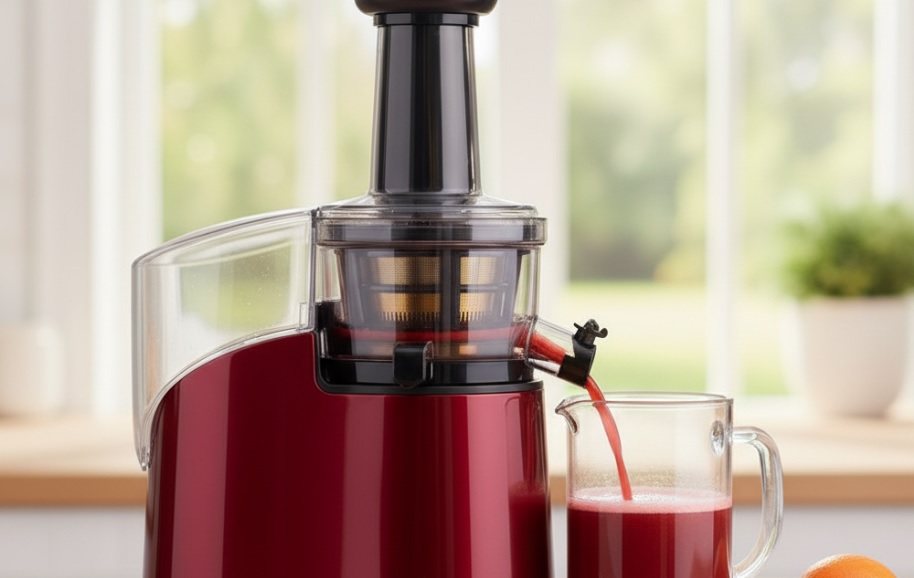
You wake up wanting something fresh. Maybe it's orange juice for breakfast, or a green smoothie with kale and apple. Whatever it is, you want real flavor, not sugary store bought stuff full of additives. That's where a good juicer comes in. But not every juicer does the job well. Some leave you with dry pulp and weak juice. Others are loud, messy, or break after a few weeks.
After looking at hundreds of models and reading thousands of honest reviews from real people, we've chose the best juicers you can buy right now. These are the ones that last long, and make juice that tastes like it came from a farmers market, not a factory.
All the juicers listed here are easy to find, have high ratings, and are loved by everyday users.
Types of Juicers: What's the Difference?
Before you pick one, it helps to know the main types. There are three kinds you'll see most often: centrifugal, masticating, and citrus juicers.
- Centrifugal juicers spin fast to separate juice from pulp. They're quick and affordable but can be noisy and don't extract as much juice from leafy greens.
- Masticating juicers (also called cold press or slow juicers) crush and press produce slowly. They get more juice, especially from greens, and keep nutrients better. They're quieter but cost more and take a bit longer.
- Citrus juicers are simple machines just for oranges, lemons, and grapefruits. They're small, cheap, and perfect if you only want fresh citrus juice.
Your choice depends on what you juice most often, how much time you have, and your budget.
Top Juicers of 2026
1. Breville JE98XL Juice Fountain Plus
If you want speed and simplicity, this centrifugal juicer is a top pick. It's powerful, easy to clean, and makes a full glass of juice in under a minute. The wide feed chute means you don't have to chop apples or carrots into tiny pieces-just quarter them and drop them in.
You'll notice the juice tastes fresh and bright. The dual-speed motor lets you switch between soft fruits (like berries) and hard veggies (like beets). The pulp container is large, so you won't need to empty it every time you juice.
Pros:
- Fast juicing-great for busy mornings
- Extra-wide feed chute saves prep time
- Dishwasher-safe parts make cleanup easy
- Sturdy build with a 1-year warranty
Cons:
- Noisy during operation
- Not ideal for wheatgrass or leafy greens
- Juice separates faster than with slow juicers
2. Omega NC900HDC Juicer
This masticating juicer is built to last. People have used it daily for years without issues. It works slowly but thoroughly, squeezing every drop from carrots, celery, spinach, and even nuts for homemade nut milk.
You get drier pulp and richer juice compared to fast-spinning models. The juice also stays fresh longer-up to 72 hours in the fridge-because less heat and air are involved in the process. The machine is quiet enough to use early in the morning without waking the house.
Pros:
- High juice yield, especially from greens
- Very quiet operation
- Versatile-can make nut milk, sorbet, and baby food
- Durable metal construction
Cons:
- Slower than centrifugal juicers
- Smaller feed chute means more chopping
- Higher upfront cost
3. Mueller Austria Juicer Ultra
This is the best value pick for anyone new to juicing. It's a centrifugal juicer that costs less than most but performs like models twice the price. The 800-watt motor handles apples, cucumbers, and citrus with ease.
You'll appreciate the compact design-it fits neatly on small counters. The safety lock ensures it only runs when assembled correctly. Many users say it's their first juicer and they're shocked how good the juice tastes compared to bottled versions.
Pros:
- Affordable price
- Compact and lightweight
- Easy to assemble and clean
- Good for beginners
Cons:
- Not great for leafy greens
- Plastic parts feel less premium
- Noisy at high speed
4. Tribest Slowstar SW-2000
If you're serious about nutrition and juice quality, this slow masticating juicer is worth considering. It uses a vertical auger design that gently crushes produce at only 47 RPM-much slower than most juicers. This preserves enzymes and vitamins better.
You can juice wheatgrass, kale, ginger, and even make pasta or frozen desserts with optional attachments. The juice is smooth, foam-free, and stays vibrant for days. Cleanup takes a few minutes, and all parts are BPA-free.
Pros:
- Excellent for greens and tough roots
- Very low oxidation = fresher-tasting juice
- Multi-functional (juice, sorbet, nut butter)
- 15-year motor warranty
Cons:
- Expensive
- Takes practice to load produce efficiently
- Heavier than other models
5. Black+Decker CJ625 Citrus Juicer
Maybe you don't need a full juicer. Maybe you just love fresh orange juice on weekends. This citrus press is perfect for that. It's small, simple, and does one thing very well: squeeze citrus fruits.
You cut the fruit in half, press it onto the cone, and twist. Juice flows straight into your glass. The built-in pulp filter lets you choose how much pulp you want. It's easy to rinse and store in a drawer.
Pros:
- Super affordable
- Takes seconds to use
- Adjustable pulp control
- No assembly or complicated parts
Cons:
- Only works with citrus fruits
- Not for whole fruits or vegetables
- Small juice capacity per press
How to Pick the Right Juicer for You
Ask yourself a few honest questions:
- Do you juice every day or just once in a while?
- Are you mostly using hard fruits (apples, carrots) or leafy greens (kale, spinach)?
- How much counter space do you have?
- Are you okay spending more for better quality and longevity?
If you juice daily and care about nutrition, go with a masticating juicer like the Omega or Tribest. If you want something fast for occasional use, the Breville or Mueller will serve you well. And if oranges are your only juice, the Black+Decker citrus press is all you need.
Also think about cleanup. Some juicers have parts that are hard to reach or require a special brush. The best ones let you rinse everything in under five minutes.
Mistakes to Avoid
Many people buy a juicer based only on price or looks. That often leads to disappointment. A cheap juicer might seem like a good deal, but if it breaks in two months or leaves half the juice in the pulp, it's a waste.
Another mistake is not reading the feed chute size. A narrow chute means you'll spend more time chopping. If you hate prep work, look for a model with a wide opening (at least 3 inches).
Finally, don't ignore noise level. If you live in a small apartment or have light sleepers at home, a loud centrifugal juicer at 6 a.m. might not be the best idea.
Comparison Table: Best Juicers of 2026
| Model | Type | Best For | Feed Chute Size | Price Range |
|---|---|---|---|---|
| Breville JE98XL | Centrifugal | Fruits & hard veggies | 3 inches | $$ |
| Omega NC900HDC | Masticating | Greens, wheatgrass, nuts | 1.5 inches | $$$ |
| Mueller Austria Ultra | Centrifugal | Beginners, occasional use | 2.5 inches | $ |
| Tribest Slowstar SW-2000 | Masticating (vertical) | Nutrition-focused juicing | 1.25 inches | $$$ |
| Black+Decker CJ625 | Citrus press | Oranges, lemons, grapefruit | N/A | $ |
Price guide: $ = under $70, $$ = $70-$150, $$$ = over $150


