




Buying a new washing machine feels like a big decision and it is. This appliance runs for years, handles your clothes every week, and affects your water and electricity bills. You want something reliable and efficient. We created this washing machine buying guide to help you find something that works well and lasts.
Top-Loading vs. Front-Loading
The first choice you'll face is between a top-loading and a front-loading washer. Both types clean clothes well, but they work differently and suit different homes.
Top-loading washing machines
Top-loaders have a lid on the top and usually use an agitator-a tall post in the center that twists clothes through the water. Some newer models skip the agitator and use a low-profile impeller instead, which is gentler on fabrics.
- They're often less expensive upfront.
- You can add clothes mid-cycle if you forget something.
- No need to bend down-good if you have back problems.
- They tend to use more water and energy than front-loaders.
- Cycle times are usually shorter, around 30-45 minutes.
Front-loading washing machines
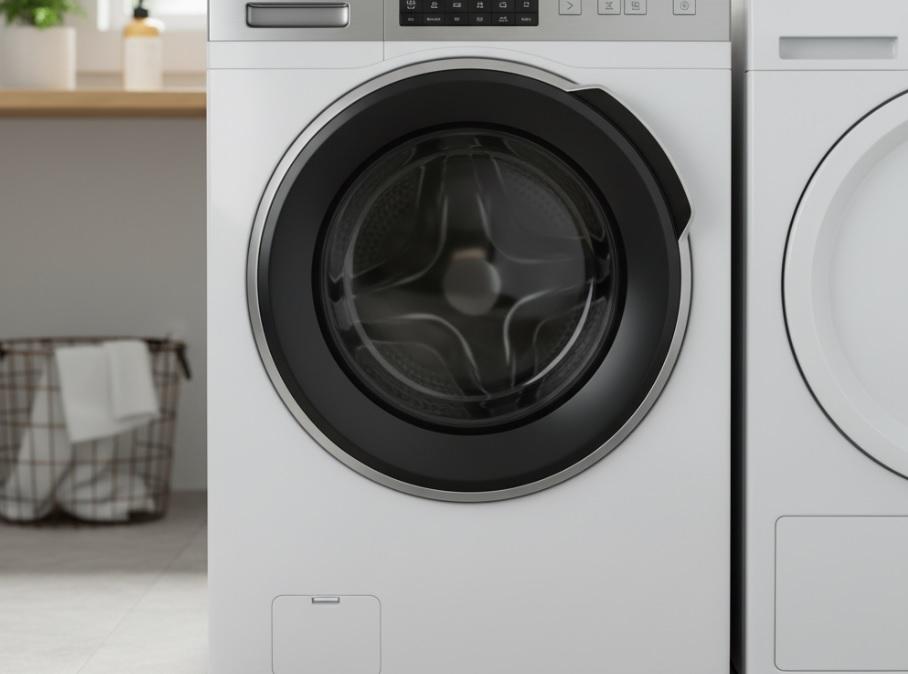
Front-loaders have a door on the front and tumble clothes through a small amount of water. They spin faster, which removes more water and cuts drying time.
- They use less water and electricity over time.
- They're gentler on clothes and better at removing stains.
- Stackable with a dryer-great for small spaces.
- You can't add items once the cycle starts (unless the model has a special pause-and-add feature).
- They cost more at first but often save money long-term.
If you wash large loads often or care about energy savings, a front-loader might be worth the extra cost. If you prefer simplicity, lower upfront price, or need easy access, a top-loader could be your best match.
Choose the Right Capacity
Washing machine capacity is measured in cubic feet. Don't guess-match the size to your household's needs.
- Compact (2.3-2.5 cu ft): Good for 1-2 people. Fits in apartments or laundry closets.
- Standard (3.1-4.0 cu ft): Handles 3-4 people comfortably. Most common size for families.
- Large (4.5+ cu ft): Ideal for big families, bulky items like comforters, or frequent laundry days.
A too-small machine means more loads. A too-big one wastes water and energy on small batches. Think about your typical laundry pile. Do you wash full loads every time? Do you have kids, pets, or athletes in the house? Those details help you choose wisely.
Check Your Space and Connections
Before you fall in love with a model, measure your laundry area. Include depth, width, height, and door clearance. Front-loaders need room to swing the door open. Top-loaders need overhead space for the lid.
Also check your home's hookups:
- Most washers need a standard 120-volt outlet.
- You need hot and cold water lines and a drain nearby.
- If you plan to stack with a dryer, confirm both units are compatible.
- In apartments or condos, check building rules-some restrict washer types or require special hoses.
Bringing a tape measure and a photo of your laundry spot to the store (or keeping them handy online) prevents costly returns.
Key Features That Actually Help
Washing machines come with dozens of settings, but not all are useful. Focus on features that solve real problems in your routine.
Spin speed
Measured in RPM (revolutions per minute), spin speed affects how wet your clothes are after washing. Higher spin speeds (1,000-1,400 RPM) remove more water, which means shorter drying times and lower energy bills. If you air-dry clothes often, this matters a lot.
Wash cycles
Look for cycles that match your laundry habits:
- Normal: For everyday cottons and linens.
- Delicate: For lingerie, silk, or fine knits.
- Heavy duty: For work clothes, towels, or muddy sports gear.
- Quick wash: A 15-30 minute cycle for lightly soiled items (not for full loads).
- Steam: Helps remove wrinkles and odors-useful if you skip the dryer sometimes.
Avoid models with too many "specialty" cycles you'll never use. They add cost without real benefit.
Energy and water efficiency
Check the ENERGY STAR label. These machines meet strict efficiency standards set by the U.S. Environmental Protection Agency. An ENERGY STAR certified washer uses about 25% less energy and 33% less water than regular models.
Over 10 years, that can save you hundreds of dollars-and reduce your environmental impact.
Smart features: Helpful or hype?
Some washers connect to Wi-Fi, send alerts to your phone, or let you start cycles remotely. These sound cool, but ask yourself: Will you really use them?
- If you're often away from home and want to monitor laundry, it might help.
- If your phone already buzzes with too many notifications, skip it.
- Smart models cost more and can be harder to repair if the tech fails.
For most people, basic controls with clear buttons or a simple dial work just fine.
Brand Reliability and Warranty
Not all brands last equally long. According to repair technicians and consumer reports, some names consistently rank higher for durability and fewer breakdowns.
Top-recommended brands include:
- Whirlpool
- LG
- Maytag
- Samsung
- GE Appliances
That doesn't mean other brands are bad-but do your homework. Read recent customer reviews, especially ones that mention performance after 1-2 years of use.
Also check the warranty:
- Most offer 1 year on parts and labor.
- Some cover the motor or drum for 5-10 years.
- Extended warranties are usually not worth the cost unless you're buying a very high-end model.
A solid warranty gives peace of mind, but a simple design often means fewer things can go wrong in the first place.
Price vs. Value
Washing machines range from $400 to over $1,500. The cheapest model might save you money today but cost more in repairs, water, and electricity later.
Ask yourself:
- How many loads do you wash per week?
- How long do you plan to keep the machine?
- Is your current washer breaking down often?
If you do 5+ loads a week, investing in a reliable, efficient model pays off fast. If you only do laundry once a week in a small apartment, a basic unit may be enough.
Look for sales around holidays like Memorial Day, Labor Day, or Black Friday. Retailers often discount floor models or last year's versions-just make sure it's a current design with available parts.
What to Avoid When Shopping
Even with good intentions, it's easy to make a mistake. Watch out for these common traps:
- Choosing based only on looks - A sleek design won't help if the drum is too small or the cycles don't match your needs.
- Ignoring noise levels - Some machines vibrate or bang during the spin cycle. If your laundry room is near bedrooms or living areas, check decibel ratings or read reviews about noise.
- Overestimating "capacity" claims - Marketing terms like "super capacity" aren't standardized. Always compare actual cubic feet.
- Skipping the manual - Read the user guide before buying if possible. Some machines require special detergent (like HE-high efficiency), which costs more.
Washing Machine FAQ
What's the difference between top-load and front-load washers?
Top-load washers have a lid on the top. You drop clothes in from above. Most use an agitator (a tall post in the middle) or a low-profile impeller to move clothes through water. Front-load washers have a door on the front and tumble clothes in a small pool of water, like a dryer.
Top-loaders are usually cheaper, easier to load without bending, and let you add a sock you forgot mid-cycle. Front-loaders use less water and energy, spin clothes drier, and are gentler on fabrics. They also stack with dryers, which saves space. If you do lots of laundry or care about long-term savings, a front-loader often makes more sense. If you want simplicity and lower upfront cost, a top-loader might suit you better.
How big should my washing machine be?
Size depends on how many people live in your home and how often you do laundry.
- For 1-2 people: A compact model (2.3-2.5 cubic feet) is enough.
- For 3-4 people: Go with a standard size (3.1-4.0 cubic feet).
- For 5+ people or if you wash bulky items like comforters: Choose a large capacity (4.5+ cubic feet).
A machine that's too small means more loads. One that's too big wastes water and energy on small batches. Think about your typical laundry basket-if it's always overflowing, size up. If you only wash once a week with half-full loads, don't overbuy.
Do I really need an ENERGY STAR washer?
Yes, if you plan to keep the machine for several years. ENERGY STAR certified washers meet strict efficiency standards. They use about 25% less electricity and 33% less water than standard models.
That adds up. If you wash 6 loads a week, you could save $50-$100 a year on utilities. Over 10 years, that's real money. Plus, less water waste is better for the environment. The sticker price might be slightly higher, but the long-term savings usually make up for it.
What is HE detergent, and do I need it?
HE stands for "high-efficiency." It's a special type of laundry detergent made for washers that use less water-mostly front-loaders and some newer top-loaders.
Regular detergent creates too many suds in HE machines. That can leave residue on clothes, cause odors, or even damage the machine over time. Always check your washer's manual. If it says "HE only," stick with HE detergent. The good news? Most major brands sell HE versions, and they're easy to find in stores or online.
How long should a washing machine last?
Most washers run well for 10 to 12 years with normal use. Some last longer, especially if you avoid overloading them and clean the drum and seals regularly. Brands like Whirlpool, Maytag, LG, and GE tend to have fewer breakdowns in the first decade.
If your current machine is over 10 years old and starts leaking, making loud noises, or not spinning properly, it's probably time to replace it. Repair costs on old units often aren't worth it.
Are smart washers worth the extra cost?
Smart features let you control the washer from your phone, get cycle alerts, or download new wash programs. But most people don't use them regularly.
If you're away from home a lot and want to start a load remotely, it might help. But smart models cost $100-$300 more, and the electronics can fail sooner than mechanical parts. For everyday use, a washer with simple, physical buttons or a dial is more reliable and easier to fix.
Can I install a washing machine myself?
It depends on your setup. If you're replacing an old washer in the same spot and the water lines, drain, and outlet are already there, you can likely do it yourself in under an hour. You'll need basic tools and a helper to move the heavy machine.
But if you're setting up laundry in a new location-like a garage or basement-you might need a plumber or electrician. Some buildings also require special hoses or permits. When in doubt, ask the retailer about installation services. Many include basic setup for free or a small fee.
Why do front-load washers sometimes smell bad?
Front-loaders trap moisture in the rubber door seal after cycles. That damp, dark space can grow mold or mildew, which causes a musty smell.
You can prevent this by wiping the seal dry after each use, leaving the door slightly open between loads, and running a cleaning cycle with vinegar or a washer cleaner once a month. Some newer models have built-in tub cleaning or fan dry features to help with this issue.
What spin speed should I look for?
Spin speed is measured in RPM (revolutions per minute). Higher RPM means more water gets squeezed out of clothes during the spin cycle. That leads to shorter drying times-whether you use a dryer or a clothesline.
- Basic models: 600-800 RPM (fine for light use)
- Mid-range: 1,000-1,200 RPM (good balance)
- High-end: 1,400+ RPM (best for heavy loads or air-drying)
If you dry clothes outside or want to cut dryer time (and energy bills), aim for at least 1,000 RPM.
Do I need a washer with a steam cycle?
Steam cycles add hot vapor during the wash or rinse to help loosen dirt, reduce wrinkles, and remove odors. They're useful if you often skip ironing or deal with strong smells (like from sports gear or smoke).
But they're not essential. Many people get great results without steam. If the feature adds $150 or more to the price, ask yourself if you'll actually use it. For most households, it's a nice bonus-not a must-have.
How noisy are washing machines?
All washers make some noise, especially during the spin cycle. Top-loaders tend to be louder because of the agitator. Front-loaders are quieter but can vibrate if not level.
If your laundry room is near bedrooms or a living area, look for models labeled "quiet" or check reviews that mention noise levels. Some have anti-vibration systems or insulated drums to muffle sound. Always place the machine on a flat, solid floor and adjust the feet until it doesn't rock.
Can I wash large items like comforters or sleeping bags?
Yes, but only if your washer has enough capacity. A king-size comforter usually needs at least 4.5 cubic feet. Overstuffing the drum strains the motor and leads to poor cleaning.
Check the manual for "bulky item" or "bedding" cycles. These use more water and slower agitation to handle big, fluffy loads safely. If you wash large items often, consider a washer with 5.0+ cubic feet capacity.
What should I do with my old washing machine?
Many retailers offer haul-away service when they deliver your new one-sometimes for free, sometimes for $20-$50. If not, check with your city's waste department. Some offer free appliance pickup or recycling events.
Never leave it on the curb unless your area allows it. Old washers contain metals and parts that shouldn't go to regular landfills. Recycling is better for the planet and often required by law.
Is it better to buy in-store or online?
Both have pros and cons. In-store shopping lets you see the size, test the controls, and get advice from staff. You can also take it home the same day or schedule quick delivery.
Online gives you more models, customer reviews, and often better prices-but you can't check the build quality firsthand. If you buy online, read recent reviews carefully and confirm return policies in case it doesn't fit or has issues.
How often should I clean my washing machine?
Once a month is ideal. Run an empty hot water cycle with two cups of white vinegar or a commercial washer cleaner. Wipe the drum, door seal (on front-loaders), and detergent drawer with a damp cloth.
This prevents soap buildup, mold, and odors. It also keeps the machine running efficiently. Think of it like changing the oil in a car-it takes five minutes but extends the life of your appliance.
What's the best time of year to buy a washing machine?
Major sales happen around holidays: Memorial Day, Fourth of July, Labor Day, and Black Friday. Retailers clear out older models to make room for new ones, so you get better deals.
Also, new models usually launch in September and January. That's when last year's versions go on discount. Avoid buying during summer peak months (June-August) unless you find a clearance deal-prices tend to be higher then.
You don't need to wait if your current washer breaks down. But if you're planning ahead, timing your purchase can save $100-$300.


