




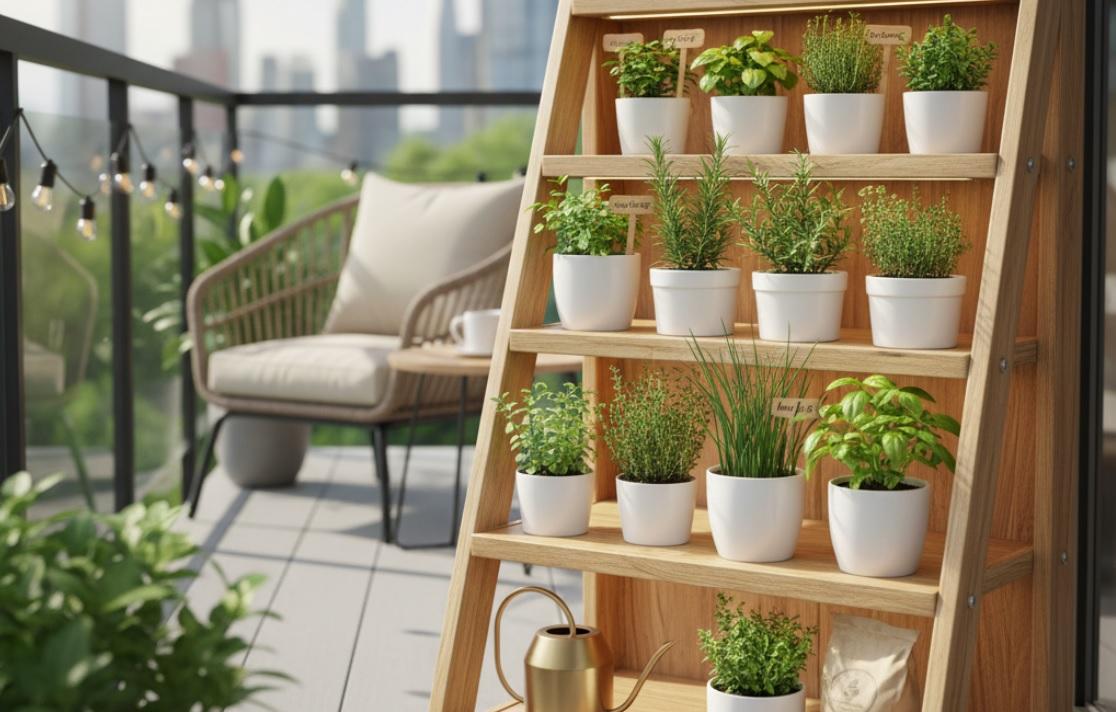
Not all plants need the same conditions. Some thrive in bright sunlight, while others do fine in low light. When space is limited, choose plants that grow slowly, stay compact, or can be trained to grow vertically. Here are a few great options for small spaces:
- Pothos - Grows well in low light and doesn't need constant watering.
- Snake plant - Nearly indestructible and perfect for beginners.
- Spider plant - Produces baby plants you can hang or share with friends.
- Herbs like basil, mint, or thyme - Useful in the kitchen and easy to grow on a sunny windowsill.
- Succulents - Need very little water and come in many shapes and sizes.
These plants won't take over your space, but they will add freshness and personality to your room.
Make the Most of Vertical Space
When floor space is scarce, look up. Walls, doors, and even the sides of bookshelves offer room for greenery. Hanging planters, wall-mounted pots, and shelf gardens let you grow more without cluttering your floor.
Try These Vertical Ideas:
- Install floating shelves and place small pots along them.
- Use a pegboard with hooks to hang lightweight planters.
- Attach suction cups with tiny pots to windows.
- Grow climbing plants like ivy or philodendron on a trellis in a corner.
You'll be surprised how much green you can fit into a small area when you think vertically.
Use Multi-Functional Furniture
Furniture that serves more than one purpose is a smart choice in tight spaces. Look for pieces that double as plant stands or include built-in spots for greenery.
- A coffee table with a lower shelf can hold a row of small pots.
- Window seats with storage underneath offer room for tools and extra soil.
- Bookshelves with open backs let light reach plants placed behind them.
Even a simple stool near a window can become a mini plant stand. The key is to blend your garden into your existing setup, not fight against it.
Light Matters More Than Space
Plants need light to grow, and in small homes, natural light can be limited. Pay attention to where the sun hits during the day. South-facing windows get the most light, while north-facing ones get the least.
If your space lacks bright windows, choose low-light plants or add a small grow light. LED grow lights are energy-efficient, compact, and affordable. You can clip one onto a shelf or set it on a desk without taking up much room.
Rotate your plants every few days so all sides get equal light. This keeps them growing evenly and prevents them from leaning too far in one direction.
Water Wisely
Overwatering is the most common mistake new plant owners make. In small pots, soil dries out faster, but it also gets soggy more easily. Always check the soil before watering-stick your finger about an inch deep. If it feels dry, it's time to water. If it's still damp, wait another day.
Use pots with drainage holes to prevent root rot. If your favorite container doesn't have holes, place a smaller pot with drainage inside it. This way, you get the look you want without risking your plant's health.
Group Plants for Better Care
Plants often do better when they're near each other. They create a shared microclimate with higher humidity, which many houseplants love. Grouping also makes watering and cleaning leaves easier-you can care for several at once instead of hunting them down one by one.
Arrange plants by their needs. Keep thirsty plants like ferns together, and drought-tolerant succulents in another spot. This saves time and keeps every plant happy.
Don't Forget the Kitchen
Your kitchen is one of the best places for small-space gardening. It usually has good light, access to water, and warmth from cooking. Plus, growing your own herbs means fresh flavor for meals without a trip to the store.
Place a small tray of basil, parsley, or chives on the windowsill. Mint grows quickly, so keep it in its own pot to avoid taking over. If you have a bit of counter space, try a compact indoor herb garden kit-they often come with everything you need to start.
Use Mirrors to Enhance Light and Space
A mirror near your plants does two things: it reflects more light onto them and makes your room feel larger. Place a mirror opposite a window with plants in front of it. The extra brightness helps plants grow, and the reflection creates the illusion of a fuller, greener space.
Keep It Simple and Personal
You don't need dozens of plants to enjoy greenery. Start with two or three that fit your lifestyle and space. A single healthy plant on your desk or nightstand can lift your mood more than a crowded, struggling jungle.
Choose plants that speak to you-maybe a flowering orchid, a trailing string of pearls, or a pot of rosemary that smells amazing when you brush past it. Your small-space garden should feel like an extension of your personality, not a chore.
Seasonal Tips for Year-Round Success
Plants change with the seasons, and so should your care routine.
- Spring and summer: Most plants grow faster. Water more often and consider light fertilizing every few weeks.
- Fall: Growth slows. Reduce watering and stop fertilizing.
- Winter: Light is weaker and indoor air gets dry from heating. Move plants closer to windows and mist leaves occasionally to add moisture.
Watch how your plants respond and adjust. Every home is different, and your plants will tell you what they need if you pay attention.
Conclusion
Growing plants in a small space is about making thoughtful choices, using what you have, and enjoying the process. Greenery softens hard edges, brings nature indoors, and reminds you to slow down. even in the busiest city apartment.
You don't need a green thumb to start. Just choose one plant, give it a good spot, and see how it goes. Over time, you'll learn what works in your space and build a little oasis.


