




Choosing a new refrigerator feels like a big decision-and it is. You'll use it every single day, probably for the next ten years or more. Get it right, and your food stays fresh, your kitchen looks neat, and your electricity bill stays reasonable. Get it wrong, and you'll deal with cramped shelves, weird smells, or constant repairs.
You don't need special knowledge to choose a good refrigerator. What helps most is knowing which features matter for your home. We've looked at models real people use and rate highly, and we'll show you what sets them apart and what small details to pay attention to.
Start With Your Kitchen Layout
Before you fall in love with a shiny stainless steel model, measure your space. Check the width, height, and depth of your current opening. Don't forget to account for door swing and clearance for pulling out drawers or shelves.
Also think about how you use your kitchen. Do you cook for a family of four? Shop once a week? Entertain guests often? Your habits will help you decide between a compact fridge or a large one with extra features.
Common Refrigerator Styles
Most refrigerators fall into a few basic styles. Each has clear strengths and trade-offs. Here's what you need to know.
Top-Freezer Refrigerators
These are the classic models you've seen in homes for decades. The freezer sits on top, the fridge below. They're usually the most affordable option and cost less to run than other styles.
You'll find plenty of room for tall bottles and wide leftovers. The layout is simple-no confusing drawers or hidden compartments. Repairs are easier and parts are cheaper because the design hasn't changed much over the years.
Pros:
- Lowest upfront cost
- Energy efficient
- Simple to use and maintain
- Plenty of shelf space
Cons:
- Freezer is harder to reach (bending or stretching needed)
- Fewer modern features like water dispensers
- Basic design may not match newer kitchens
Bottom-Freezer Refrigerators
With the freezer on the bottom, your fresh food is at eye level. That means less bending when you grab milk or leftovers. Most bottom-freezer models use pull-out freezer drawers, which make it easy to see everything inside.
These fridges often have better organization than top-freezer models. You'll find adjustable shelves, spill-proof glass, and dedicated crisper bins. They cost more than top-freezer versions but still use less energy than side-by-side models.
Pros:
- Fresh food at eye level-easier access
- Freezer drawer keeps items organized
- Better interior layout for daily use
- More modern look
Cons:
- Higher price than top-freezer models
- Freezer drawer can be heavy when full
- Slightly less freezer space overall
Side-by-Side Refrigerators
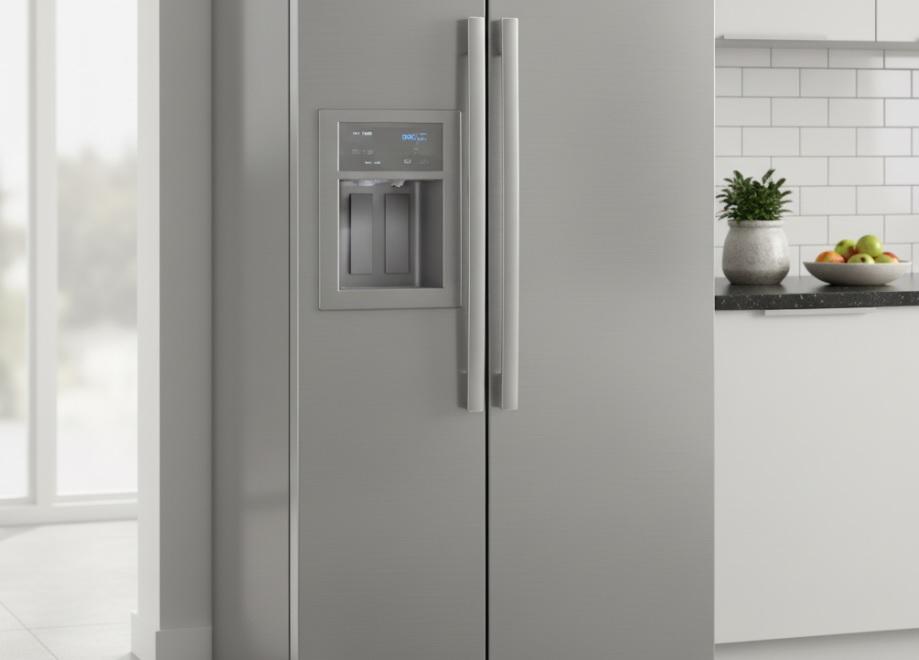
These fridges split the freezer and refrigerator vertically. One side is cold storage, the other is frozen. They fit well in narrow kitchens because the doors don't swing out as far.
Many side-by-side models include built-in water and ice dispensers in the door. That's convenient if you drink a lot of cold water or use ice daily. The narrow shelves can be tricky for wide items like pizza boxes or large platters.
Pros:
- Water and ice dispenser common
- Doors open in tight spaces
- Good for narrow kitchen layouts
- Easy to see all items at once
Cons:
- Narrow shelves limit what you can store
- Less energy efficient
- Dispensers need regular cleaning and maintenance
- Freezer space feels cramped
French Door Refrigerators
French door models have two doors on top for the fridge and a pull-out freezer drawer below. They combine the best of both worlds: wide shelves for fresh food and easy-access freezer storage.
These are the most popular high-end style. Many include smart features, filtered water dispensers, and advanced humidity controls for produce. They look sleek and modern, but they also cost the most and use more electricity.
Pros:
- Wide shelves fit large items
- Fresh food at eye level
- Modern design with premium features
- Spacious and well-organized interior
Cons:
- Highest price tag
- Higher energy use
- Complex parts can mean costly repairs
- Needs more floor space
Key Features That Actually Matter
Not every advertised feature is useful in real life. Focus on what improves your daily routine.
Adjustable Shelves
Being able to move shelves up or down lets you fit tall bottles, cake stands, or stacked containers. Look for glass shelves that are spill-proof-they contain messes instead of letting them drip down.
Crisper Drawers with Humidity Control
Vegetables and fruits stay fresh longer when humidity is controlled. Some fridges let you adjust the airflow in each drawer. Leafy greens like high humidity; apples and avocados do better with low humidity.
Water and Ice Dispenser
Convenient, yes-but only if you use it often. Dispensers take up space inside the door and require a water line connection. They also need monthly cleaning to prevent mold or mineral buildup. If you rarely use ice, skip this feature and save money.
Energy Efficiency
Check the ENERGY STAR label. Certified models use 15% less energy than standard ones. Over ten years, that adds up to real savings on your electric bill. Top-freezer fridges are usually the most efficient; French door models tend to use the most power.
Noise Level
Some fridges hum loudly, especially older or budget models. If your kitchen is open to your living room, look for quiet operation. Customer reviews often mention noise-read them carefully.
What Real Users Say
The best refrigerators aren't just well-reviewed by experts-they're loved by everyday people who use them daily. High ratings usually mean consistent cooling, reliable parts, and thoughtful design.
Top-rated models share a few things in common: they keep food cold evenly, don't break down after a year, and have interiors that make sense. Avoid units with lots of complaints about temperature swings or strange odors.
You'll notice that the most trusted brands appear again and again in best-seller lists. They offer good customer service, clear manuals, and parts that are easy to find. Stick with brands that have a long track record.
Maintenance Tips
A good refrigerator can last 12 to 15 years if you take care of it. Here's how:
- Clean the condenser coils every six months (they're usually at the back or bottom)
- Check door seals regularly-replace if they're cracked or don't close tightly
- Don't overload shelves; air needs to circulate
- Wipe spills immediately to prevent odors
- Keep the temperature at 37°F for the fridge and 0°F for the freezer
Small habits like these prevent big problems down the road.
Comparison of Top-Rated Refrigerator Types
| Type | Average Price Range | Energy Use | Best For | Space Needed |
|---|---|---|---|---|
| Top-Freezer | $400 - $800 | Low | Budget buyers, small households, garages | Standard depth, moderate width |
| Bottom-Freezer | $800 - $1,400 | Moderate | Families, frequent cooks, those who want fresh food at eye level | Standard depth, wider than top-freezer |
| Side-by-Side | $1,000 - $2,000 | High | Narrow kitchens, ice/water users, organized freezers | Narrower width, deeper profile |
| French Door | $1,500 - $3,000+ | High | Larger families, entertainers, modern kitchens | Widest footprint, needs room to open both doors |


