




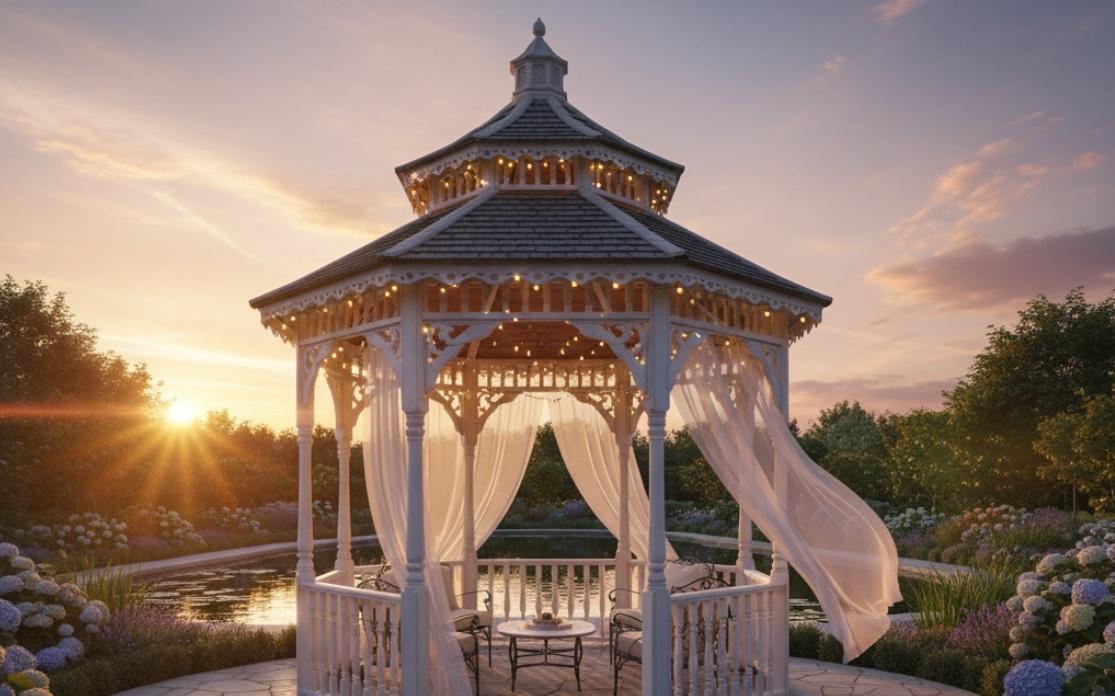
Adding a gazebo can turn your backyard into a cozy retreat or a great spot for friends and family. With so many shapes, materials, and sizes to choose from, it can be hard to know which one is right. This guide will help you figure out what matters most so you end up with a gazebo that fits your space, your budget, and your lifestyle.
What Is a Gazebo?
A gazebo is a freestanding structure with a roof and open sides, designed to provide shade and shelter in your yard. Some gazebos have solid roofs, while others use fabric canopies. You can find them in round, square, or octagonal shapes. They're great for picnics, afternoon reading, or just enjoying a quiet moment outdoors without getting sunburned or caught in a light rain shower.
Why Do You Need a Gazebo?
You might be wondering if a gazebo is really worth the investment. Here are a few good reasons people add one to their yards:
- Shade and comfort: It gives you a cool place to sit during hot summer days.
- Outdoor entertaining: Host small gatherings without worrying about weather changes.
- Privacy: Add curtains or screens for a more secluded feel.
- Visual appeal: A well-placed gazebo can make your yard look more inviting and put-together.
Types of Gazebos
Not all gazebos are the same. The type you choose depends on how you plan to use it and how permanent you want it to be.
Permanent Gazebos
These are built to last. They're usually made from wood or metal and anchored into the ground. You'll need a solid foundation-like concrete footings-and possibly a building permit, depending on local rules. Permanent gazebos work well if you want something that stays put for years and adds real value to your property.
Pop-Up or Portable Gazebos
If you need something temporary or easy to move, a pop-up gazebo is a smart choice. These often come with a lightweight metal frame and a polyester canopy. You can set one up in minutes for a backyard party, then take it down and store it away. They're not meant to stay outside all year, but they're perfect for occasional use.
Hardtop Gazebos
Hardtop gazebos have solid roofs made from materials like wood, metal, or polycarbonate. They offer better protection from sun and rain than fabric canopies. Many people prefer them for year-round use or if they plan to install lighting, fans, or even outdoor speakers inside.
Soft-Top Gazebos
Soft-top gazebos use fabric canopies stretched over a frame. They're lighter, cheaper, and easier to assemble. The downside? Fabric fades over time and won't hold up as well in heavy wind or rain. Still, for casual use or seasonal setups, they do the job just fine.
Key Features to Consider
Before you click "buy," think about these important details. They'll help you avoid regrets later.
Size and Shape
Measure your yard first. A gazebo that's too big will crowd your space. One that's too small won't be useful. Common sizes range from 8x8 feet to 12x12 feet. Round and octagonal shapes look classic, but square gazebos often fit better in modern yards and are easier to place against a fence or deck.
Material
The material affects how long your gazebo lasts, how much maintenance it needs, and how it looks.
- Wood: Cedar and redwood resist rot and insects naturally. They look warm and traditional but need regular sealing or staining.
- Aluminum: Lightweight, rust-resistant, and low-maintenance. Great for portable or semi-permanent models.
- Steel: Strong and durable, but heavier. Often used in permanent structures. Look for powder-coated finishes to prevent rust.
- Fabric: Used for canopies. Choose polyester with UV protection and water-resistant coating.
Roof Style
Roofs come in different styles: dome, peaked, flat, or pagoda. Peaked roofs shed rain better. Dome roofs look sleek and modern. Pagoda styles add an elegant, Asian-inspired touch. Pick one that matches your home's architecture and your personal taste.
Stability and Anchoring
Even a light breeze can tip over a poorly secured gazebo. Check if the model includes ground stakes, anchor kits, or weighted bases. For permanent installations, you'll need to pour concrete footings or bolt the frame to a deck.
Extras and Accessories
Some gazebos come with useful add-ons:
- Mosquito netting or privacy curtains
- LED string lights or built-in lighting mounts
- Ventilation panels in the roof
- Adjustable height or tilt options
These aren't essential, but they can make your gazebo more comfortable and functional.
Where to Place Your Gazebo
Location matters more than you might think. Think about these tips when choosing a spot:
- Flat ground: Avoid slopes unless you're prepared to level the area.
- Drainage: Don't place it in a low spot where water pools after rain.
- Sun exposure: If you want shade in the afternoon, position it where trees or your house won't block the sun too early.
- View: Face it toward your garden, pool, or favorite part of the yard.
- Access: Make sure there's a clear path to it from your house or patio.
How Much Should You Spend?
Gazebos range from under $100 for a basic pop-up model to over $5,000 for a custom-built wooden structure. Most people find good options between $300 and $1,500.
If you're on a tight budget, start with a simple soft-top gazebo. It's affordable and easy to replace if it wears out. If you plan to use it often or want it to last many years, invest in a hardtop model made from quality materials.
Don't forget to factor in extra costs like delivery, anchoring kits, or professional installation if you're not comfortable doing it yourself.
Assembly and Maintenance
Most gazebos require some assembly. Portable models usually take one to two hours with two people. Permanent wooden gazebos can take a weekend or more-especially if you're building a foundation.
Once it's up, keep it in good shape:
- Clean fabric canopies with mild soap and water.
- Check metal frames for rust or loose bolts every few months.
- Reapply wood sealant or stain every 1-2 years.
- Store portable gazebos indoors during winter or storms.
A little upkeep goes a long way in extending your gazebo's life.
Common Mistakes to Avoid
Many buyers rush into a decision and regret it later. Watch out for these pitfalls:
- Ignoring local rules: Some neighborhoods or cities require permits for structures over a certain size. Check before you buy.
- Skipping the foundation: Even lightweight gazebos need proper anchoring. Wind can lift them easily.
- Choosing looks over function: A beautiful gazebo is useless if it leaks or wobbles in the wind.
- Forgetting about storage: If you buy a pop-up model, make sure you have dry, protected space to store it off-season.
Important Tips
Take your time. Read customer reviews, especially ones that mention long-term use. Look at photos from real buyers, not just the brand's polished marketing shots. If possible, visit a store to see a model in person. Feel the fabric, test the frame, and imagine it in your yard.
Ask yourself: Will this gazebo still make me happy a year from now? If the answer is yes, you're probably making a smart choice.
Frequently Asked Questions (FAQ)
Do I need a permit to install a gazebo?
It depends on where you live and how big the gazebo is. Many areas allow small, non-permanent structures without a permit, but anything over 100-120 square feet or with a solid foundation may require approval. Always check with your local building department first.
Can I leave my gazebo up all year?
Hardtop gazebos made from wood or metal can usually stay up year-round if properly maintained. Soft-top or pop-up gazebos should be taken down in winter, heavy rain, or high winds to prevent damage.
How do I keep my gazebo from blowing away?
Use the anchoring system that comes with it. For extra security, add sandbags, concrete blocks, or screw-in ground anchors. Never rely on weight alone-wind can get underneath and lift the whole structure.
What's the difference between a gazebo and a pergola?
A gazebo has a full roof that provides complete shade and some rain protection. A pergola has an open roof with slats, offering partial shade but no real shelter from rain. Gazebos are more enclosed; pergolas are more open and airy.
Can I install a gazebo on a deck?
Yes, but make sure your deck can support the weight. You'll need to securely bolt the gazebo frame to the deck joists-not just the surface boards-to prevent wobbling or tipping.


