




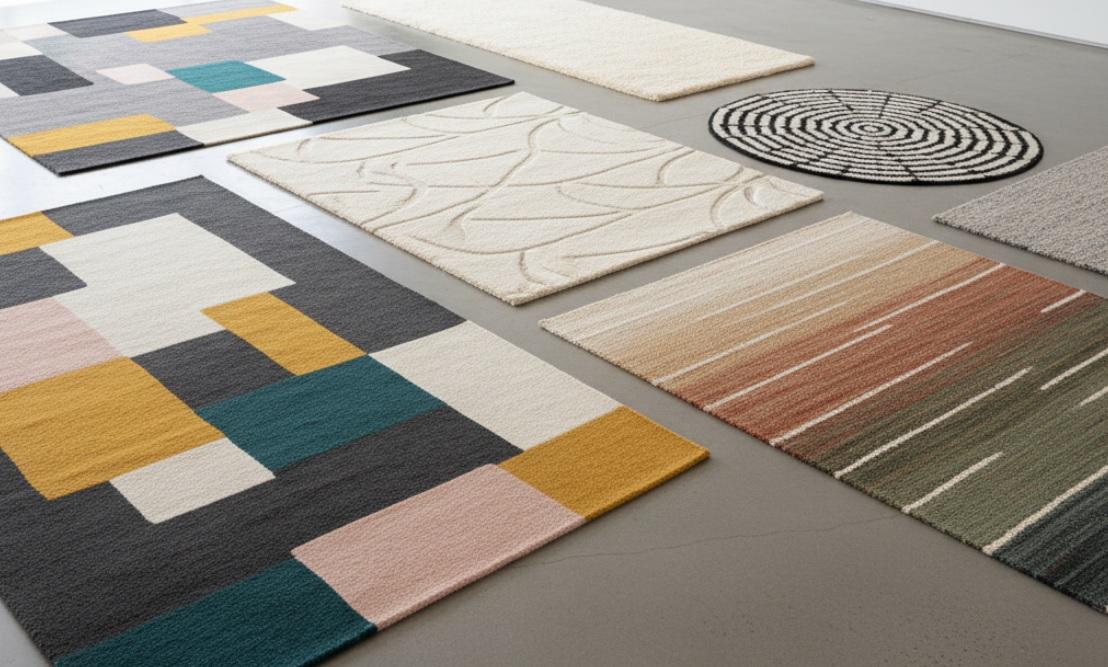
Choosing a rug sounds simple - until you start shopping. Suddenly there are hundreds of colors, patterns, textures, and sizes to sort through. One feels great underfoot, another matches your sofa, and a third fits your budget… but which one truly belongs in your home?
This guide breaks down everything you should know before you buy. From finding the right size and durable materials to matching your style and avoiding common mistakes, it'll help you shop with confidence. No matter if you live in a cozy studio or a spacious home, you'll be able to choose a rug that looks good and lasts.
Why the Right Rug Matters
A rug does more than cover your floor. It ties a room together, adds warmth underfoot, reduces noise, and protects your flooring from scratches and wear. In high-traffic areas like hallways or living rooms, a good rug absorbs foot traffic so your hardwood or tile lasts longer.
You also feel the difference. Bare floors can feel cold and hard, especially in winter. A well-chosen rug makes your space cozier and more inviting. Plus, it gives your room personality-whether you love bold patterns, neutral tones, or something in between.
Step 1: Measure Your Space
Size is the most common mistake people make. A rug that's too small makes a room feel disjointed. One that's too big overwhelms the space and leaves no floor visible.
Start by measuring the room or the area where you plan to place the rug. Use a tape measure and write down the length and width. Then think about how you use the space.
Living Room Rug Size Tips
In a living room, your rug should sit under the front legs of your sofa and chairs-or better yet, under all the furniture. This creates a grounded, intentional look.
- For small living rooms (under 150 sq ft): 5'x8' or 6'x9'
- Medium rooms (150-300 sq ft): 8'x10' or 9'x12'
- Large rooms (over 300 sq ft): 9'x12' or larger
Leave at least 12-18 inches of bare floor between the rug edge and the walls. This keeps the room from feeling cramped.
Bedroom Rug Size Tips
In bedrooms, place the rug under the bottom two-thirds of your bed. Your feet should land on the rug when you get up in the morning.
- Twin bed: 5'x8'
- Full or queen: 6'x9' or 8'x10'
- King: 9'x12'
If you have space on both sides of the bed, consider two runners or a large rug that fits under nightstands too.
Dining Room and Entryway Tips
For dining rooms, the rug must be big enough to hold all chairs-even when they're pulled out. Add 24 inches to each side of your table to get the right size.
In entryways or hallways, runners (2'x6', 2'x8', or 2'x10') work best. They protect high-wear areas and welcome guests with color or texture.
Step 2: Choose the Right Material
Not all rugs are made the same. The material affects how it feels, how long it lasts, and how easy it is to clean. Think about where the rug will go and who uses that space.
Natural Fiber Rugs
These come from plants or animals and are often more eco-friendly.
- Wool - soft, durable, naturally stain-resistant. Great for living rooms and bedrooms. Holds up well over time but can be pricey.
- Cotton - lightweight, easy to clean, and affordable. Good for kitchens or kids' rooms. Less durable under heavy use.
- Jute - strong, textured, and earthy-looking. Best for low-traffic areas like bedrooms. Can feel rough under bare feet.
- Sisal - very durable and neutral in color. Ideal for hallways or offices. Not soft, and stains show easily.
Synthetic Rugs
Man-made fibers are often more budget-friendly and easier to maintain.
- Polypropylene (or olefin) - stain-resistant, moisture-resistant, and fade-resistant. Perfect for basements, patios, or homes with pets.
- Nylon - soft, resilient, and holds color well. Good for high-traffic areas like living rooms.
- Polyester - silky feel and vibrant colors. Less durable than nylon but still a solid choice for bedrooms.
If you have kids, pets, or allergies, synthetic or wool rugs are usually the safest bets. They resist spills, odors, and dust mites better than natural fibers like jute.
Step 3: Choose a Style
Your rug should complement your existing furniture and color scheme-not fight it. You don't need everything to match exactly. In fact, a little contrast adds interest.
Neutral Rugs
Beige, gray, ivory, or taupe rugs work in almost any room. They let your furniture and artwork stand out. Neutral rugs also hide dirt better, which is helpful in busy homes.
Patterned Rugs
Geometric, floral, or tribal patterns add energy and character. Use them to anchor a simple room or balance bold furniture. Just make sure the pattern scale fits the room-large patterns in small rooms can feel chaotic.
Color Considerations
Dark rugs hide stains but can make a room feel smaller. Light rugs brighten spaces but show every crumb and paw print. If you're unsure, go with a medium tone or a multi-color design that camouflages everyday messes.
Also consider the mood you want. Cool blues and greens feel calm. Reds and oranges add warmth and energy. Earth tones create a grounded, natural vibe.
Step 4: Think About Pile Height
Pile height means how thick or plush the rug feels. It affects comfort, cleaning, and where you can use it.
- Low pile (under ¼ inch) - flatweaves like dhurries or kilims. Easy to vacuum, great under furniture, ideal for high-traffic zones.
- Medium pile (¼ to ½ inch) - soft but still practical. Works well in living rooms and bedrooms.
- High pile (½ inch and up) - shag or plush rugs. Super cozy underfoot but harder to clean and not suited for heavy furniture.
Avoid high-pile rugs in entryways or kitchens. Dirt gets trapped, and they wear out faster. Save them for low-traffic spots like bedrooms or reading nooks.
Step 5: Don't Forget the Rug Pad
A rug pad isn't optional-it's essential. It keeps your rug from slipping, adds cushion, reduces noise, and extends the life of both the rug and your floor.
Choose a pad that's slightly smaller than your rug (about 1-2 inches on all sides). Natural rubber pads work well on hard floors. Felt or mesh pads are better for carpets.
Some rugs come with non-slip backing, but that's not enough for large sizes. Always add a proper pad for safety and longevity.
Mistakes to Avoid
Even experienced shoppers make these errors. Keep them in mind to save time, money, and frustration.
- Buying too small - A tiny rug in a big room looks like an afterthought. Go bigger than you think you need.
- Ignoring traffic patterns - Place rugs where people actually walk. An empty corner rug serves no purpose.
- Skipping the swatch - Colors look different in your home than online. Order a sample if you can.
- Forgetting maintenance - A beautiful rug is useless if you can't clean it. Match the material to your lifestyle.
- Over-matching - Your rug doesn't need to match your curtains or sofa exactly. Harmony matters more than perfect color matches.
How to Clean and Care for Your Rug
Proper care keeps your rug looking fresh for years. The method depends on the material.
Vacuum low and medium-pile rugs weekly. Use a vacuum without a beater bar for delicate or handwoven rugs. Rotate your rug every 6 months to even out wear and sun fading.
For spills, blot (don't rub!) with a clean cloth and mild soap. Avoid harsh chemicals-they can damage fibers or cause discoloration.
Deep clean every 12-18 months. Some rugs can be hand-washed; others need professional cleaning. Check the care label before doing anything drastic.
If you have pets, vacuum more often and consider a rug with a tight weave or synthetic fibers that resist odors and stains.
Where to Buy Quality Rugs
You can find great rugs in stores and online. Look for retailers with clear return policies, detailed product descriptions, and real customer photos.
Read reviews carefully. Pay attention to comments about color accuracy, shedding, and durability. A rug that looks perfect in photos might shed like crazy or feel rough in real life.
Also check for certifications if eco-friendliness matters to you. Labels like GoodWeave ensure no child labor was used in production.
Important Tips
Take your time. A rug is a long-term investment. Live with your measurements and color ideas for a few days before ordering.
Consider layering. A small vintage rug over a larger neutral one adds depth and style, especially in bedrooms or living rooms.
And remember: your rug should make you happy every time you walk into the room. If it feels right, looks good, and fits your life, it's the right choice.
Frequently Asked Questions (FAQ)
How big should a rug be under a dining table?
The rug should extend at least 24 inches beyond the table on all sides. This ensures chairs stay on the rug even when pulled out.
Can I use an outdoor rug indoors?
Yes! Outdoor rugs are made from polypropylene, which is stain-resistant, easy to clean, and durable. They work great in kitchens, mudrooms, or kids' play areas.
Do wool rugs shed?
Yes, especially at first. Shedding usually decreases after a few months of regular vacuuming. It's normal and doesn't mean the rug is low quality.
How do I stop my rug from slipping?
Use a non-slip rug pad. Double-sided tape or gripper strips can help for small rugs, but a full pad is best for safety and comfort.
Are expensive rugs worth it?
Often, yes. Higher-quality rugs last longer, feel better, and hold their color. But you can also find great mid-range options that balance price and performance.
Can I put a rug on carpet?
You can, but it's tricky. Use a low-pile rug with a non-slip pad designed for carpet. Avoid thick rugs-they create tripping hazards.
How often should I replace my rug?
A well-made rug can last 10-20 years with proper care. Replace it when it's worn thin, stained beyond cleaning, or no longer fits your space or style.


