




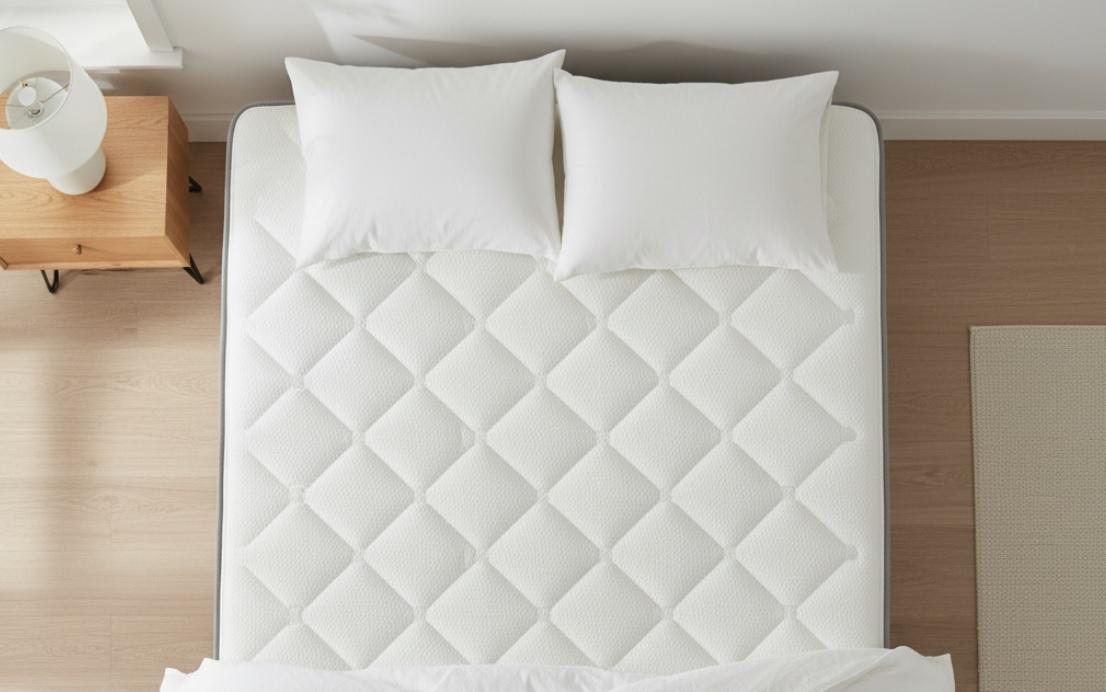
Buying a new mattress feels like a big decision-and it should be. You spend about one-third of your life in bed, so your mattress plays a huge role in how rested, supported, and comfortable you feel every day. But with so many types, materials, and price points, it's easy to feel overwhelmed. This guide walks you through everything you need to know to choose the best mattress for your body, sleep style, and budget-without the confusing jargon.
Why Your Mattress Matters More Than You Think
A good mattress does more than just feel soft or firm. It supports your spine in a neutral position, reduces pressure on your hips and shoulders, and helps you stay asleep through the night. On the flip side, a worn-out or poorly matched mattress can lead to back pain, restless sleep, and even daytime fatigue.
You might not realize your current mattress is the problem-especially if it's been with you for eight years or more. Most experts agree that mattresses last between 7 and 10 years, depending on quality and how you use them. If you wake up stiff, notice sagging, or hear creaks every time you move, it's probably time for a change.
Know Your Sleep Style First
Before you look at brands or materials, think about how you sleep. Your position affects what kind of support and cushioning you need.
Back Sleepers
If you sleep on your back, you need a mattress that keeps your spine aligned without letting your lower back sink too far. Medium-firm options usually work best. Too soft, and your hips will drop; too firm, and your spine won't get enough give.
Side Sleepers
Side sleepers put a lot of pressure on their shoulders and hips. You'll want something with enough cushion to cradle those areas without letting your spine twist. Medium to medium-soft mattresses with memory foam or latex layers often feel great.
Stomach Sleepers
This position is tough on your lower back. You need a firmer surface to prevent your hips from sinking too deeply, which can strain your spine. A firm or medium-firm mattress usually gives the right balance.
Combo Sleepers
If you toss and turn or switch positions during the night, look for a mattress that offers a middle ground-medium firmness with responsive materials like hybrid or latex. These adapt quickly as you move.
Understand the Main Mattress Types
Not all mattresses are built the same. Each type has strengths and weaknesses. Here's a simple breakdown:
Innerspring Mattresses
These use a system of metal coils for support. They're bouncy, breathable, and often more affordable.
- Pros: Good airflow, strong edge support, responsive feel
- Cons: Less pressure relief, can be noisy over time, may not last as long
Best for: Back and stomach sleepers who like a firmer, springy surface.
Memory Foam Mattresses
Memory foam molds to your body shape, offering excellent pressure relief and motion isolation (great if you share the bed).
- Pros: Contours to your body, reduces pressure points, quiet
- Cons: Can trap heat, slower to respond when you move, some off-gassing smell at first
Best for: Side sleepers and people with joint pain.
Latex Mattresses
Made from natural or synthetic rubber, latex is bouncy, durable, and naturally cooling.
- Pros: Long-lasting, eco-friendly options available, sleeps cooler than memory foam
- Cons: Usually more expensive, can feel too firm for some
Best for: Eco-conscious buyers, hot sleepers, and combo sleepers.
Hybrid Mattresses
These combine coils with foam or latex layers. They aim to give you the best of both worlds: support from springs and comfort from foam.
- Pros: Balanced feel, good airflow, strong support
- Cons: Heavier, often pricier than basic innerspring or foam
Best for: Most sleepers-especially couples or those who want versatility.
Airbeds and Adjustable Mattresses
These let you change firmness with the push of a button (or app). Great if you and your partner prefer different feels.
- Pros: Customizable, good for changing needs (like pregnancy or injury)
- Cons: Expensive, require electricity, more parts that can break
Best for: Couples with different preferences or people with changing health needs.
Firmness Isn't One-Size-Fits-All
Mattress companies often rate firmness on a scale from 1 (ultra-soft) to 10 (extra-firm). But that number means little without context. What feels soft to one person might feel firm to another.
Your weight plays a big role here. Lighter people (under 130 lbs) usually need softer mattresses to get enough cushion. Heavier people (over 230 lbs) often need firmer support to prevent sinking too deep.
Here's a general guide:
- Soft (3-4): Best for side sleepers under 130 lbs
- Medium-Soft (4-5): Good for side sleepers 130-230 lbs
- Medium (5-6): Works well for most combo sleepers
- Medium-Firm (6-7): Ideal for back and stomach sleepers
- Firm (7-8+): Best for stomach sleepers or heavier individuals
Don't Forget About Your Foundation
Your mattress needs the right base to perform well. Slapping it on an old, sagging box spring can ruin even the best mattress.
Most modern mattresses work best on:
- Platform beds with slats (slats should be no more than 3 inches apart)
- Adjustable bases (great for reading or reducing snoring)
- Sturdy bed frames with center support
Avoid placing memory foam or hybrid mattresses directly on solid surfaces like plywood-this blocks airflow and can cause mold or premature wear.
Test Before You Commit (Even Online)
Many online brands offer 100-night (or longer) sleep trials. That's your chance to really test the mattress in your own home. Don't rush the decision-give yourself at least 30 nights to adjust. Your body needs time to get used to a new feel.
If you shop in-store, wear comfortable clothes and lie down in your usual sleep position for at least 10-15 minutes. Bring your partner if you share the bed. Pay attention to how your hips, shoulders, and lower back feel-not just whether it's "soft" or "hard."
Watch Out for These Common Mistakes
Even smart shoppers make these errors:
- Choosing based on price alone. A cheap mattress might cost more in the long run if it wears out fast or causes pain.
- Ignoring your partner's needs. If you share a bed, both of you should feel comfortable. Consider split firmness or a hybrid with good motion isolation.
- Forgetting about delivery and returns. Check if the company offers free shipping, old mattress removal, and easy returns.
- Overlooking certifications. Look for CertiPUR-US (for foam) or GOLS/GOTS (for organic latex) to avoid harmful chemicals.
How Much Should You Spend?
Quality mattresses start around $600 for a queen and can go up to $3,000+. But you don't always need to spend top dollar.
Here's a realistic range:
- Budget ($300-$700): Basic innerspring or entry-level foam. Good for guest rooms or short-term use.
- Mid-range ($700-$1,500): Best value. Includes quality hybrids, memory foam, and latex options with solid support and comfort.
- Premium ($1,500+): High-end materials, advanced cooling tech, customizable firmness. Worth it if you have chronic pain or specific needs.
Remember: A mattress is an investment in your health. Spending a bit more now can save you money on doctor visits or replacement costs later.
Final Checklist
Run through these questions before hitting "buy":
- Does it match my sleep position and body weight?
- Does it come with a sleep trial of at least 90 nights?
- Is the return policy clear and hassle-free?
- Does it have good edge support if I sit on the bed often?
- Will it work with my current bed frame or foundation?
- Are the materials certified for safety and low emissions?
If you can answer "yes" to most of these, you're on the right track.
FAQ: Your Mattress Questions, Answered
How often should I replace my mattress?
Most mattresses last 7-10 years. Replace yours sooner if you notice sagging, lumps, increased allergies, or if you sleep better elsewhere (like on vacation).
Can I flip my mattress?
Most modern mattresses are "no-flip" designs. You can rotate them head-to-foot every 3-6 months to even out wear, but flipping isn't needed or recommended.
Do I need a mattress protector?
Yes. A waterproof protector keeps spills, sweat, and dust mites out. It also helps maintain your warranty, since many require a clean, protected surface.
Will a firm mattress help my back pain?
Not always. Too firm can actually worsen pain by creating pressure points. Most people with back pain do best on medium-firm mattresses that support spinal alignment without being too hard.
Are online mattresses as good as in-store ones?
Often, yes-and sometimes better. Many online brands cut out retail markups, so you get higher quality for the same price. Just make sure they offer a solid trial period.
How long does it take to adjust to a new mattress?
Give it 30 to 90 nights. Your body needs time to adapt, especially if you're switching from innerspring to foam or vice versa.


