




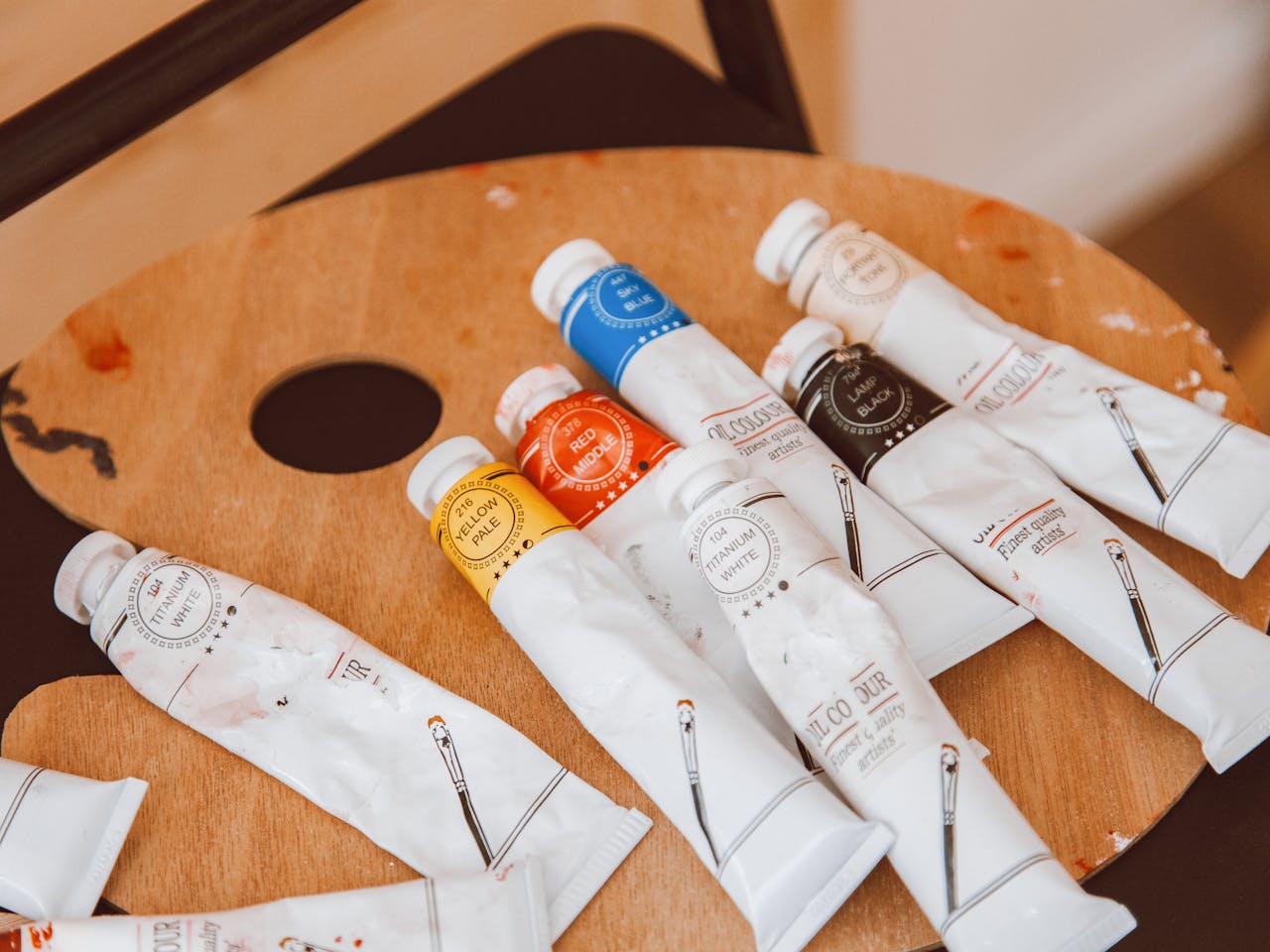
Just starting out with painting? You've probably come across acrylics and oils. They're both classics, but they work in very different ways. This guide will walk you through the key differences and help you choose the paint that’s right for you.
What Are Acrylic Paints?
Acrylic paints use a water-based formula with pigment suspended in an acrylic polymer emulsion. They dry quickly-sometimes in just minutes. That fast drying time makes them great for layering or fixing mistakes without waiting long. You can thin them with water, clean your brushes with soap and water, and even paint on many surfaces like canvas, wood, paper, or fabric.
Once dry, acrylics become water-resistant and flexible. They won't crack easily, and they hold up well over time. Most beginner painters start with acrylics because they're easy to handle, affordable, and don't require strong-smelling solvents.
Pros of Acrylic Paints
- Dry fast-ideal for quick projects or impatient artists
- Clean up easily with just water
- Non-toxic and safe to use in small or poorly ventilated spaces
- Versatile-work on canvas, wood, plastic, fabric, and more
- Generally less expensive than oil paints
Cons of Acrylic Paints
- Fast drying can be a problem if you like to blend colors slowly
- Colors may darken slightly as they dry
- Less "buttery" texture compared to oils
- Hard to rework once dry-no going back easily
What Are Oil Paints?
Oil paints mix pigment with drying oils-usually linseed oil. They've been used for centuries and are known for their rich color depth and smooth blending. Unlike acrylics, oils dry slowly. Some layers can take days or even weeks to fully cure. That slow pace gives you time to adjust edges, blend tones, and build up subtle transitions.
Because they're oil-based, you'll need solvents like turpentine or odorless mineral spirits to thin the paint and clean your brushes. Good ventilation is a must, and you'll want to store rags safely-they can catch fire if left in a pile while still wet with oil.
Pros of Oil Paints
- Slow drying time allows for smooth blending and soft edges
- Rich, luminous colors that stay vibrant over time
- Thick, creamy texture loved by many professional artists
- Can be reworked for days-great for detailed or layered work
- Long history and proven archival quality
Cons of Oil Paints
- Require solvents for cleanup-strong smells and extra cost
- Need good airflow or a dedicated studio space
- Take much longer to dry-delays finishing or framing
- More expensive than acrylics, especially high-quality tubes
- Not beginner-friendly if you lack space or ventilation
How to Decide: Acrylic or Oil?
Your choice depends on your painting habits, your workspace, and what you want your finished piece to look like.
Choose Acrylic If…
- You paint at home, in a dorm, or in a shared space without strong ventilation
- You like to finish paintings in one sitting
- You're just starting out and want something forgiving and simple
- You enjoy experimenting on different surfaces
- You don't want to deal with chemicals or strong odors
Choose Oil If…
- You have a dedicated studio with good airflow
- You love blending colors and building soft transitions
- You're willing to wait days between layers
- You admire classical painting styles or realism
- You don't mind using solvents and taking extra safety steps
Cost and Supplies
Both acrylic and oil paints come in student-grade and professional-grade options. Student-grade is cheaper but has less pigment and may fade faster. Professional-grade costs more but gives better coverage and longevity.
With acrylics, your basic kit includes brushes, a palette, water container, and canvas. Total startup cost can be under $50.
Oil painting requires more: brushes, palette, canvas (often pre-primed for oils), linseed oil or medium, solvent, and airtight jars for used rags. Expect to spend $75-$150 to start well.
Don't forget storage. Oils need a dry, dust-free place to cure for weeks. Acrylics can be framed or stored right after drying.
Health and Safety Tips
Acrylics are generally safe. Still, avoid eating or drinking near your workspace, and wash hands after painting.
Oils need more caution. Always work in a ventilated area. Use gloves if you have sensitive skin. Never pour used solvent down the drain-dispose of it properly. Store oily rags flat to dry or in a metal container to prevent spontaneous combustion.
Can You Mix Acrylic and Oil?
You can use acrylic as an underpainting for oil-this is common and safe. But never paint acrylic over oil. The acrylic layer won't stick well and may peel off over time. If you want to try both, start with acrylics on the bottom, let them dry fully, then add oils on top.
Which Is Better for Beginners?
Most beginners do better with acrylics. They're easier to control, clean up fast, and don't demand special conditions. You'll learn color mixing, brush control, and composition without fighting slow drying times or fumes.
That said, if you're drawn to oil painting and have the right space, go for it. Passion matters more than convenience. Just start with a small set and practice basic techniques before diving into large pieces.
Long-Term Care and Durability
Both paints last a long time when stored properly. Acrylics resist yellowing and stay flexible. Oils can yellow slightly over decades, especially in dark storage, but high-quality oils with proper varnish hold up beautifully.
Never hang either type in direct sunlight for long periods. UV light fades all pigments eventually. Use UV-protective glass if framing works on paper.
Conclusion
There's no single "best" paint. Acrylics offer speed, simplicity, and safety. Oils deliver depth, richness, and tradition. Your personality, schedule, and space should guide your choice-not trends or what others use.
Try small sets of both if you're unsure. Many artists keep both on hand and switch based on the project. What matters most is that you enjoy the process and keep painting.
Frequently Asked Questions (FAQ)
Can I use the same brushes for acrylic and oil?
Technically yes, but it's not ideal. Oil residues can linger in bristles and affect acrylic performance. It's better to have separate brushes for each medium.
Which paint lasts longer on canvas?
Both can last centuries if made with quality materials and stored properly. Oils have a longer historical track record, but modern acrylics are also archival when used correctly.
Do I need to prime my canvas differently?
For acrylics, most store-bought canvases are ready to use. For oils, make sure the canvas is primed with an oil-compatible gesso or acrylic gesso (which works under oils too). Never use raw canvas with oils-it will rot over time.
Can I paint over an old acrylic painting?
Yes. Acrylics create a stable surface. Just make sure the original layer is fully dry, then paint right over it with more acrylic or oil (acrylic under oil is fine).
Which is more eco-friendly?
Acrylics win here. They use water for cleanup and don't require toxic solvents. Oil painting produces chemical waste that needs careful disposal.
How long does it take for oil paint to fully dry?
A thin layer may feel dry in 1-3 days, but full curing can take 6 months to a year. Thick impasto layers take even longer. Don't varnish or frame until fully cured.


