




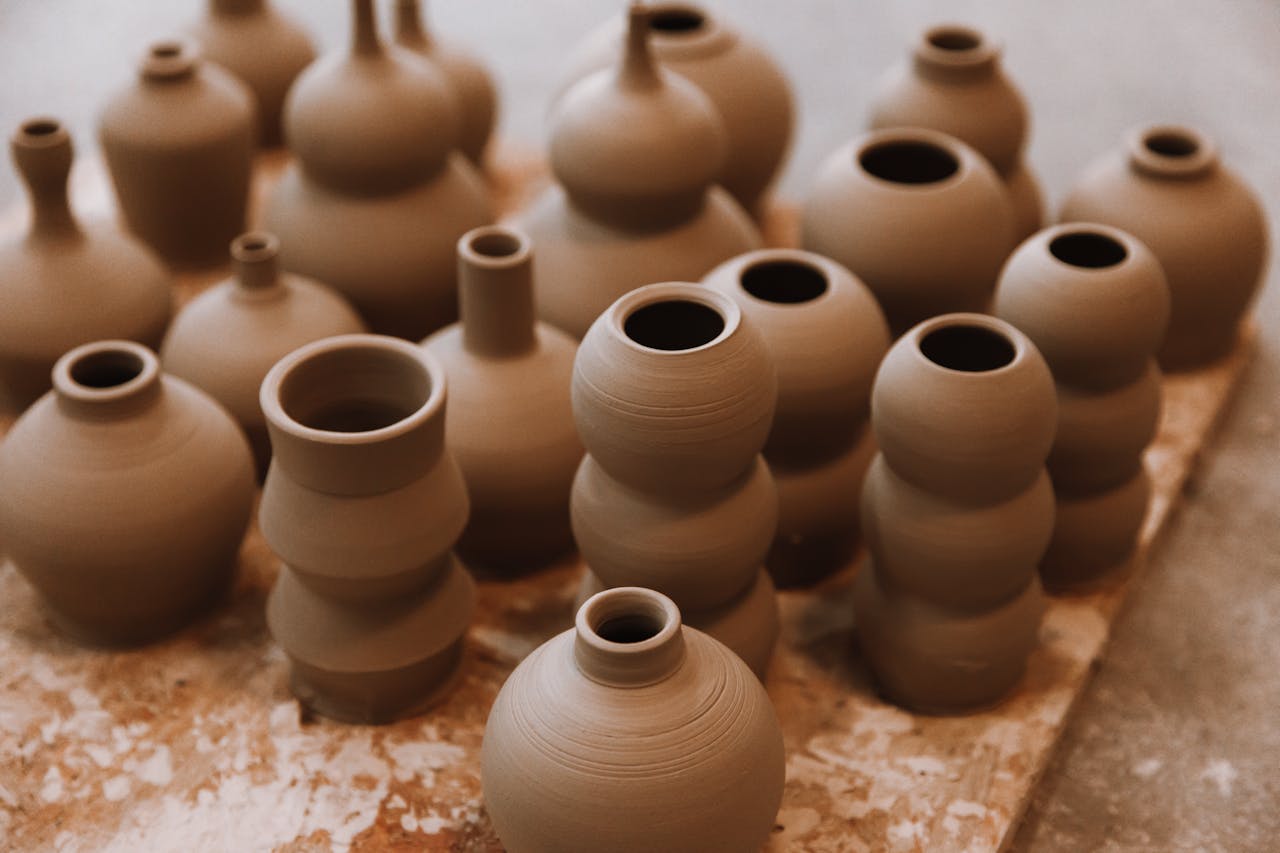
Shelves full of unfamiliar tools, bags of clay with confusing labels, and endless choices for glazes-it's easy to get lost. But don't worry. This guide will show you everything you need to know before buying your first clay and pottery supplies. If you're working at home, in a studio, or just exploring a new hobby, you'll find useful advice to help you make smart choices without wasting money.
Clay Types
Clay is the heart of every pottery project. Picking the right kind makes a huge difference in how your piece turns out. There are three main types you'll see most often: earthenware, stoneware, and porcelain. Each has its own texture, firing temperature, and best uses.
Earthenware Clay
Earthenware fires at lower temperatures, usually between 1,700°F and 2,100°F (900°C-1,150°C). It stays porous after firing, which means it's not waterproof unless you glaze it. This clay is soft and easy to shape, making it great for beginners. You'll often see it used for planters, tiles, and decorative items.
Stoneware Clay
Stoneware is tougher. It fires at higher temperatures-around 2,100°F to 2,350°F (1,150°C-1,300°C)-and becomes non-porous and very strong. That's why it's perfect for mugs, bowls, and dinnerware. It's also more forgiving than porcelain, so many potters stick with stoneware even after they gain experience.
Porcelain Clay
Porcelain looks smooth and elegant, but it's tricky to work with. It shrinks a lot during drying and firing, and it cracks easily if not handled carefully. Most beginners avoid it at first. Still, if you dream of delicate teacups or fine art pieces, porcelain is worth learning later on.
When you buy clay, check the label for its cone number. That tells you the right firing temperature. Also, decide if you want clay that's pre-wedged (already mixed and ready to use) or if you're okay with wedging it yourself to remove air bubbles.
Important Tools for Hand-Building and Wheel Throwing
You don't need a huge toolkit to start. Many potters begin with just a few basic items and add more as they go. Here's what really matters:
- Needle tool - Great for cutting clay, checking wall thickness, and scoring pieces before joining.
- Rib tools - Made of wood, metal, or plastic. They smooth surfaces and shape curves. Flexible ribs work well on wheel-thrown pots.
- Sponge - Keeps your hands and clay moist while you work. Natural sea sponges hold more water and last longer.
- Wire cutter - Used to slice blocks of clay or remove finished pieces from the wheel.
- Loop and ribbon tools - Perfect for carving and trimming excess clay, especially on leather-hard pieces.
- Brushes - Soft-bristle brushes apply slip (liquid clay) or glaze smoothly. Keep a few sizes on hand.
If you plan to throw on a wheel, you'll also need a bat (a flat disc that attaches to the wheel head) and a splash pan to catch water and clay scraps. For hand-building, rolling pins or slab rollers help make even sheets of clay.
Glazes: Color, Finish, and Safety
Glaze transforms raw pottery into something beautiful and functional. It seals the surface, adds color, and can create glossy, matte, or textured finishes. But not all glazes work on all clays.
Always match your glaze to your clay body and firing temperature. A glaze meant for earthenware won't melt properly on stoneware fired at cone 6, for example. Most commercial glazes list compatible cone ranges right on the container.
If you plan to make dishes or mugs, choose food-safe glazes. Look for labels that say "non-toxic" and "dinnerware safe." Avoid glazes with lead or cadmium unless you're sure they're formulated for safe use after firing.
You can buy glazes pre-mixed or as dry powders to mix yourself. Pre-mixed is easier for beginners. Dry glazes cost less and let you customize colors, but they require careful measuring and mixing.
Storage and Workspace Tips
Clay dries out fast if left uncovered. Always store it in airtight plastic bags or containers. Even a small amount of air exposure can harden the surface. If your clay gets too dry, you can reclaim it by soaking it in water and re-wedging-but that takes time.
Your workspace should be easy to clean. Clay dust is messy and can be harmful if inhaled over time. Use a damp mop instead of sweeping, and consider a HEPA air filter if you work indoors often.
If you don't have a kiln, find a local studio or community center that offers firing services. Many places charge by the piece or by shelf space. Ask about their firing schedule and whether they accept outside clay and glazes.
Buying Supplies on a Budget
Pottery doesn't have to cost a fortune. Start small. Buy just enough clay for a few projects and a basic tool set. You can always upgrade later.
Look for starter kits. They often include 5-10 essential tools at a lower price than buying each item separately. Some kits even come with a small bag of clay and sample glazes.
Secondhand tools can be a smart buy, especially metal ribs or wire cutters. Just avoid used sponges or brushes-they hold bacteria and old glaze residue.
Join online pottery groups or local clubs. Members often sell extra supplies or share tips on where to find deals. Some studios even give away reclaimed clay scraps for free.
Common Mistakes to Avoid
New potters often make the same few errors. Learning them early saves time and frustration.
- Skipping the wedging step - Air bubbles in clay cause explosions in the kiln. Always wedge your clay well before shaping.
- Using too much water - Water weakens clay structure. Use just enough to keep things smooth, and blot excess with a sponge.
- Rushing the drying process - Let pieces dry slowly and evenly. Cover them with plastic if your room is dry or drafty.
- Applying glaze too thickly - Thick glaze runs, drips, or cracks. Two thin coats usually work better than one thick one.
Also, never fire glazed pieces on bare kiln shelves. Always use kiln wash or shelf paper to prevent glaze from sticking permanently.
Where to Buy Pottery Supplies
You have several good options, depending on your location and needs.
Local Art Supply Stores
These shops let you see and feel products before buying. Staff often have hands-on experience and can answer questions. The downside? Prices may be higher than online, and selection can be limited.
Online Retailers
Websites like Blick, Clay Art Supply, or Sheffield Pottery offer wide selections, customer reviews, and frequent sales. Shipping heavy clay can be expensive, though, so check for free shipping thresholds.
Ceramic Studios and Co-ops
Many studios sell supplies to members or the public. You might find discounted seconds (slightly imperfect clay or glazes) or bulk pricing. Plus, you get to ask working potters for advice.
Direct from Manufacturers
Brands like Laguna, Standard, or Amaco sometimes sell directly to consumers. This works well if you need large quantities or specific custom colors.
Before ordering online, read recent reviews. Check return policies in case the clay arrives dry or the glaze color doesn't match the photo.
Final Tips
Keep a notebook. Write down what clay you used, how thick your walls were, which glaze you applied, and how it turned out after firing. Over time, this becomes your personal pottery playbook.
Don't expect perfection right away. Even experienced potters have pieces crack, warp, or come out dull. Each "failed" pot teaches you something new.
Most importantly, enjoy the process. Pottery is as much about touch, rhythm, and patience as it is about the final product. The more you work with clay, the more it reveals its secrets to you.
Frequently Asked Questions
Can I use regular dirt or backyard soil for pottery?
No. Natural soil contains rocks, roots, and organic matter that ruin your work and can damage kilns. Always use pottery-grade clay from trusted suppliers.
How much clay do I need for a beginner project?
A single mug takes about 1-1.5 pounds of clay. A small bowl uses 2-3 pounds. Start with a 10-25 pound bag-it's enough for several tries without going bad.
Do I need a pottery wheel to start?
Not at all. Hand-building techniques like pinch pots, coil building, and slab construction require no wheel and produce beautiful results.
How long does clay last if stored properly?
Indefinitely. As long as it stays sealed in plastic and doesn't dry out, clay remains usable for years. If it stiffens, just wedge it with a little water.
Can I fire pottery in a regular oven?
No. Home ovens don't reach the high temperatures needed to vitrify clay. Oven-bake "clay" products are actually polymer-based and not real ceramic.
What's the difference between underglaze and glaze?
Underglaze adds color before the final glaze coat and works well for detailed painting. Glaze melts into a glassy surface during firing and seals the piece. Many potters use both together.


