




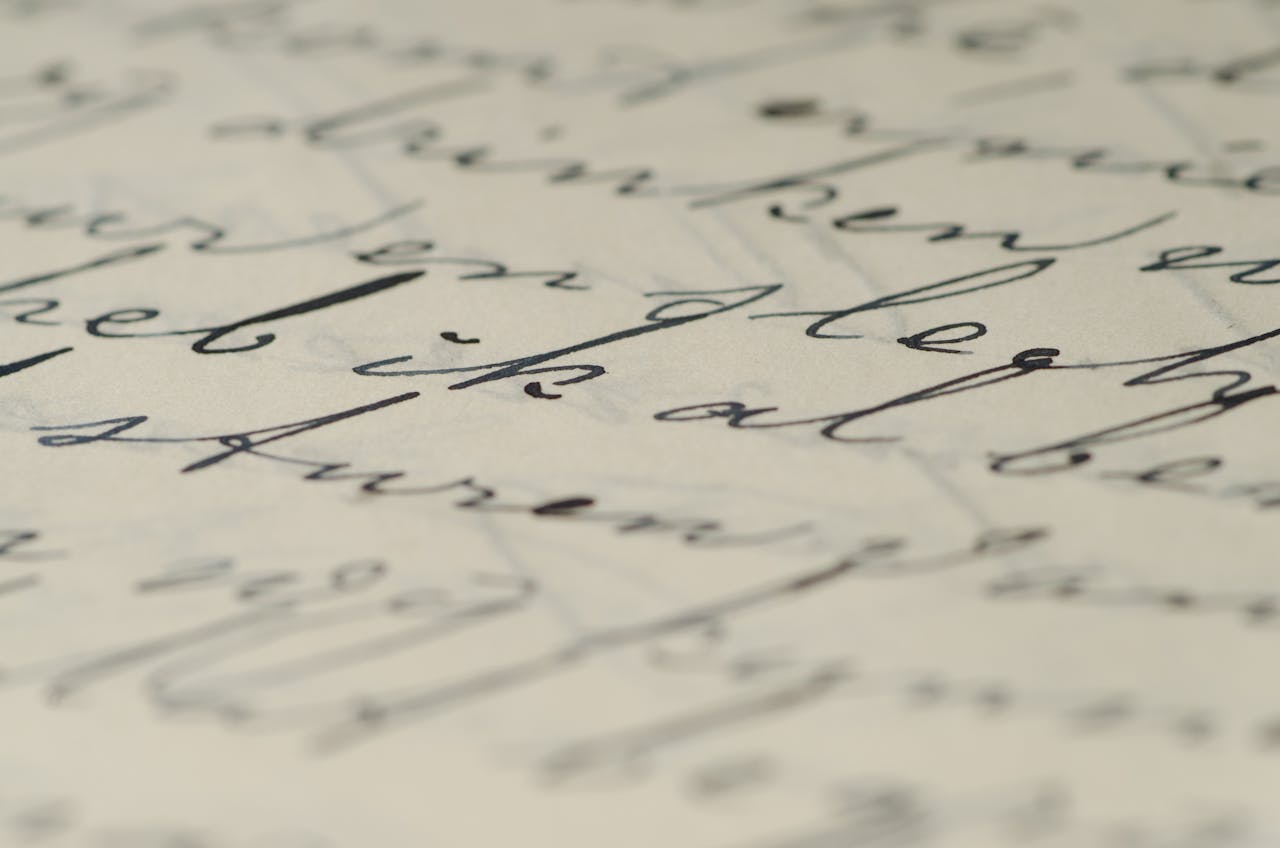
Calligraphy is more than just beautiful handwriting. It's a relaxing hobby, a creative outlet, and sometimes even a small business. If you're just starting out, the number of tools available can feel overwhelming. Pens, inks, papers-each one comes in dozens of styles.
You don't need to spend a lot of money to get started. In fact, starting simple helps you learn faster without getting distracted by too many choices. This article focuses on: what to buy, what to skip, and how to avoid common beginner mistakes.
Why Start with the Right Tools?
Using the wrong tools can make learning calligraphy frustrating. A cheap pen that skips or paper that bleeds ink will make your letters look messy-even if your technique is correct. Good tools won't magically make you an expert, but they will give you a fair chance to practice and improve.
Think of it like learning to play guitar. A well-tuned instrument with decent strings makes practice enjoyable. A broken one makes you want to quit. The same idea applies here.
Important Tools You Need
You only need a few basic items to get started. Focus on these before buying anything fancy.
1. Calligraphy Pens
There are three main types of calligraphy pens beginners should know about: dip pens, fountain pens, and brush pens.
- Dip pens: These have a metal nib you dip into ink. They give you the most control and are great for learning traditional styles like Copperplate or Spencerian. They're also affordable and let you try different nibs easily.
- Fountain pens: These hold ink inside the barrel and feed it to the nib. They're convenient and mess-free, but not all fountain pens are made for calligraphy. Look for ones labeled "italic" or "stub" nibs.
- Brush pens: These have soft, flexible tips (often made of felt or nylon) and are perfect for modern calligraphy. They're easy to use, portable, and require no extra ink bottles.
If you're unsure which to choose, start with a brush pen. It's the most forgiving and requires the least setup. Once you're comfortable with basic strokes, you can explore dip pens for more precision.
2. Nibs (for Dip Pens)
If you go with a dip pen, you'll need separate nibs. Nibs come in different shapes and flexibilities. For beginners, stick with medium-flex nibs like the Nikko G, Zebra G, or Brause EF66.
Avoid super-flexible nibs at first. They look impressive in videos, but they're hard to control and can lead to frustration. The Nikko G is often recommended because it's firm, smooth, and works well on most papers.
You'll also need a pen holder. Straight holders are best for pointed pen styles (like Copperplate), while oblique holders help with traditional slanted scripts. Start with a straight holder-it's versatile and easier to find.
3. Ink
Ink choice depends on your pen type.
- For dip pens: Use calligraphy ink, not fountain pen ink. Calligraphy ink is thicker and flows better from a nib. Popular beginner-friendly brands include Higgins Eternal, Speedball Super Black, and Dr. Ph. Martin's Bombay India Ink.
- For fountain pens: Only use fountain pen ink. Calligraphy ink can clog or damage the feed mechanism.
- For brush pens: Most are pre-filled, but some are refillable. If you buy refillable ones, check which ink the manufacturer recommends.
Black is the best color to start with. It gives you clear contrast and helps you see your strokes clearly. Once you're confident, you can experiment with colors.
4. Paper
Paper matters more than most beginners realize. Thin or rough paper causes ink to bleed, feather, or skip. You want smooth, slightly absorbent paper that holds ink well without soaking through.
Good beginner options include:
- Rhodia Dot Pad
- Canson Marker Paper
- HP Premium32 Printer Paper (yes, regular printer paper can work if it's high quality)
- Tomoe River Paper (great for fountain pens, but pricey)
Avoid notebook paper, construction paper, or anything labeled "newsprint." These will ruin your practice sessions.
If you're using a dip pen, place a sheet of scrap paper under your work. This prevents ink from soaking through and staining your table.
Optional (But Helpful) Extras
Once you've practiced for a few weeks, you might want to add a few extras to your toolkit.
Guideline Sheets
These printed sheets have lines that help you keep your letters consistent in height and slant. You can buy them or print free templates online. Place them under your practice paper and trace over the lines lightly with a pencil first.
Ruler and Pencil
A clear ruler and a light pencil (like an HB or 2H) help you draw your own guidelines if you don't have pre-printed sheets. Keep your pencil lines light so they don't show through ink.
Eraser
A soft eraser removes pencil marks without tearing the paper. Kneaded erasers work well because they lift graphite without rubbing.
Blotting Paper or Paper Towel
Dip pen ink takes time to dry. Blotting paper absorbs excess ink quickly and keeps your hands clean. A folded paper towel works in a pinch.
What NOT to Buy as a Beginner
Some tools look tempting but aren't worth your money right now.
- Expensive vintage pens: They might be beautiful, but they're often hard to maintain and not beginner-friendly.
- Gold nibs or custom holders: Save these for later. A $5 plastic holder works just as well when you're learning.
- Colored inks in bulk: Stick to black until you understand how ink behaves on your paper.
- "Calligraphy kits" from big box stores: Many include low-quality nibs, watery ink, and rough paper. Read reviews before buying any kit.
Focus on function, not looks. A simple setup gives you room to grow without wasting money.
Where to Buy Calligraphy Supplies
You can find good tools both online and in local art stores.
Online retailers like JetPens, Paper & Ink Arts, and Blick Art Materials offer a wide selection with customer reviews. Amazon works too, but double-check seller ratings-counterfeit nibs and expired ink are common problems.
If you have a local art supply shop, visit it. You can feel the paper, test pens, and ask staff for advice. Supporting small businesses also helps keep craft supplies available in your area.
Tips for Your First Practice Session
Now that you have your tools, here's how to start:
- Set up a clean, flat workspace with good lighting.
- Load your pen with ink (dip just past the vent hole on the nib).
- Practice basic strokes first-downstrokes, upstrokes, ovals, and loops-before writing full letters.
- Go slow. Calligraphy is about control, not speed.
- Clean your nib after each use to prevent rust and clogging.
Expect your first attempts to look messy. That's normal. Even professional calligraphers keep "ugly practice sheets" to track their progress.
How Much Should You Spend?
You can start calligraphy for under $25. Here's a sample budget-friendly setup:
- Brush pen: $5-$10 (Tombow Fudenosuke or Pentel Touch)
- Practice paper: $5 (Rhodia pad or quality printer paper)
- Pencil and eraser: $2
- Total: around $15-$20
If you prefer dip pens:
- Straight pen holder: $5
- Nikko G nibs (pack of 5): $6
- Higgins Eternal ink (1 oz): $4
- Paper: $5
- Total: around $20
As your skills grow, you can invest in better tools. But never confuse expensive gear with talent. The best calligraphers started with simple supplies.
Conclusion
Calligraphy is a journey, not a race. Your first tool kit doesn't need to be perfect-it just needs to work. Choose one pen type, get decent paper, and start practicing. Mistakes are part of the process. Every shaky line brings you closer to smooth, confident strokes.
Keep this guide handy when you shop. Stick to the basics, avoid flashy gimmicks, and remember: the goal is to enjoy the process. Beautiful writing will follow.
Frequently Asked Questions (FAQ)
Do I need special paper for calligraphy?
Yes. Regular notebook paper often bleeds or feathers. Use smooth, medium-weight paper designed for ink or markers. Rhodia, Canson, or high-quality printer paper are safe choices.
Can I use any ink with a dip pen?
No. Use calligraphy ink, not fountain pen ink or India ink with shellac (like Winsor & Newton). Some inks can corrode metal nibs or dry too fast.
How do I clean my nib?
Rinse it under warm water after each use. Gently wipe with a soft cloth. For dried ink, soak in warm water for a few minutes, then wipe clean. Never use harsh chemicals.
What's the difference between a brush pen and a dip pen?
A brush pen has a built-in ink reservoir and a soft tip you press to create thick and thin lines. A dip pen uses a metal nib you dip into a bottle of ink. Brush pens are easier for beginners; dip pens offer more precision.
How long does it take to get good at calligraphy?
It depends on how often you practice. Most people see noticeable improvement after 10-15 hours of focused practice. Consistency matters more than talent.
Can left-handed people do calligraphy?
Absolutely. Left-handed calligraphers might need to adjust their grip or paper angle to avoid smudging. Some use overwriters (writing with hand above the line) or special left-handed oblique holders.


