




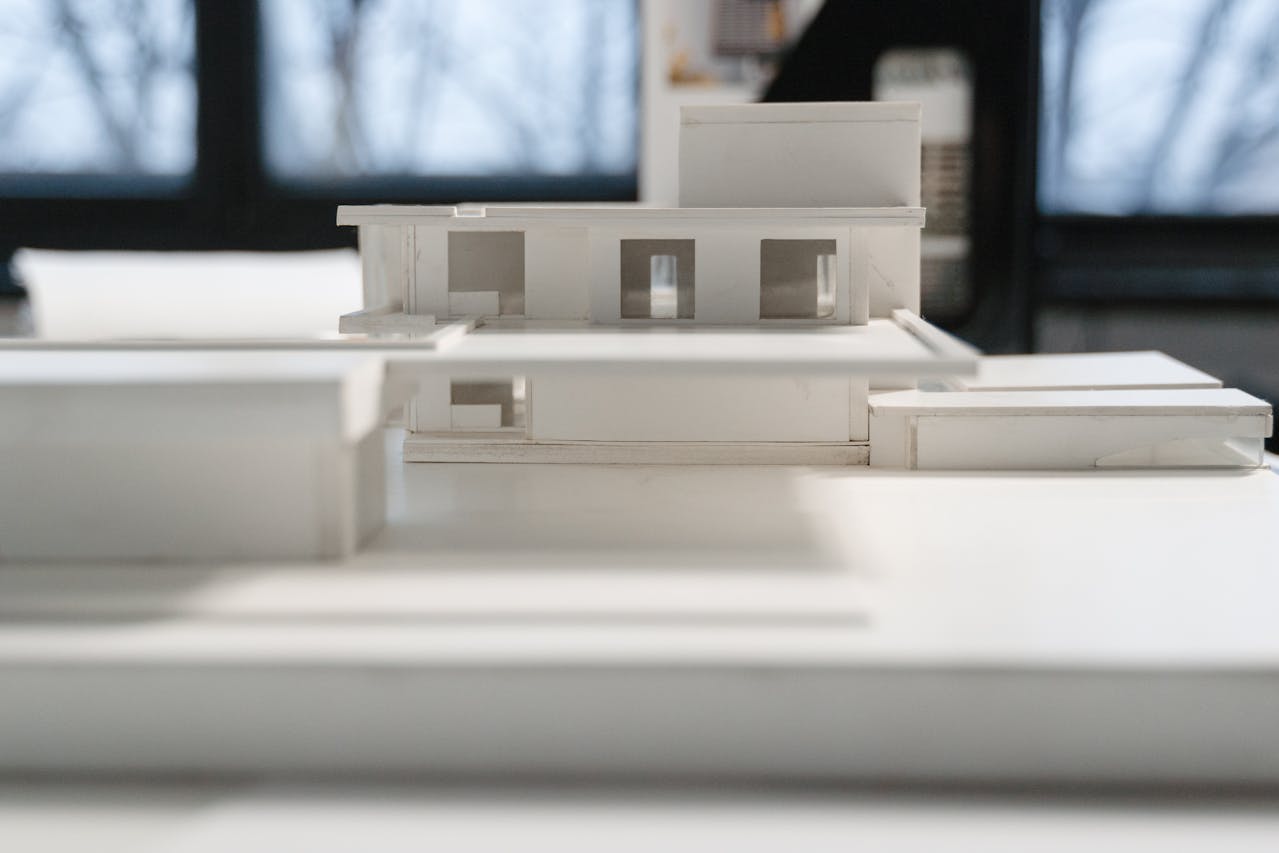
If you've ever wanted to build a miniature version of a house, airplane, ship, or even a whole city, you're not alone. Model building is a rewarding hobby that combines creativity, patience, and a bit of technical know-how. But before you start cutting, gluing, or painting, you need the right supplies.
Having the right tools and materials makes a huge difference. You'll save time, avoid frustration, and end up with a cleaner, more professional-looking result. Let's break it down step by step.
What Are Model Building Supplies?
Model building supplies include everything you need to assemble, shape, finish, and display your model. That means tools like knives and tweezers, adhesives like glue and cement, paints and brushes, and the actual model kits or raw materials like wood, plastic, or metal.
Some people buy pre-made kits that come with all the pieces you need. Others prefer to build from scratch using raw materials. Both approaches are valid-it just depends on your skill level, the type of model you want, and how much time you're willing to spend.
Important Tools for Model Builders
You don't need a garage full of gear to get started. A few basic tools will take you far. As you gain experience, you can add more specialized items to your collection.
Cutting and Shaping Tools
Most models require some cutting, trimming, or sanding. Here's what you'll likely need:
- Hobby knife - A sharp, replaceable-blade knife is your best friend. It helps you remove parts from sprues (those plastic frames that hold model pieces) and make precise cuts.
- Scissors - Small, sharp scissors work well for paper, thin plastic, or fabric details.
- Sandpaper - Fine-grit sandpaper (220 to 400 grit) smooths rough edges and helps parts fit together better.
- Files - Needle files or small metal files shape plastic or wood without removing too much material at once.
Holding and Tweezing Tools
Small parts are hard to handle with your fingers-especially when glue is involved. These tools help you keep control:
- Tweezers - Straight or angled tweezers let you place tiny parts without smudging paint or getting glue on your skin.
- Clamps or rubber bands - These hold pieces together while the glue dries. Mini clamps work great for tight spots.
- Cutting mat - A self-healing mat protects your work surface and gives you a grid to measure cuts accurately.
Measuring and Marking Tools
Accuracy matters. Even a millimeter off can throw off your whole build.
- Ruler - A metal or clear plastic ruler with fine markings helps you measure and draw straight lines.
- Calipers - Digital or manual calipers measure tiny distances precisely-useful for scratch-building.
- Pencil or fine marker - Lightly mark where you need to cut or drill without leaving permanent marks.
Adhesives: Glue That Actually Works
Not all glue is the same. Using the wrong kind can melt your plastic, fail to hold, or leave ugly residue. Here's how to choose the right adhesive:
Plastic Cement
If you're working with polystyrene plastic (the most common type in model kits), plastic cement is ideal. It doesn't just stick pieces together-it actually melts the plastic slightly so the parts fuse into one solid unit. Look for brands that come in bottles with fine applicator tips for better control.
Super Glue (Cyanoacrylate)
Super glue dries fast and bonds many materials-plastic, metal, resin, even wood. It's perfect for small repairs or attaching mixed-media parts. Just be careful: it bonds skin instantly, and fumes can be strong. Use it in a well-ventilated area.
White Glue or PVA
For paper models, cardboard scenery, or delicate parts that shouldn't be melted, white glue is gentle and easy to clean up. It dries clear and gives you a few seconds to reposition pieces before it sets.
Epoxy or Two-Part Glue
When you need a super-strong, permanent bond-like attaching metal axles or heavy parts-epoxy is your go-to. Mix the two components, apply quickly, and clamp until cured (usually 5 to 30 minutes).
Paints and Finishing Supplies
A model isn't finished until it's painted. Paint brings out details, adds realism, and protects the surface. Here's what you need to know:
Types of Model Paint
Three main types dominate the hobby:
- Acrylic paint - Water-based, easy to clean, low odor. Great for beginners. Dries quickly and works with brushes or airbrushes.
- Enamel paint - Oil-based, slower drying, stronger smell. Gives a smooth, glossy finish and is more durable. Requires mineral spirits for cleanup.
- Lacquer paint - Fast-drying and tough, but harsh fumes. Best used with an airbrush and proper ventilation. Not beginner-friendly.
For most hobbyists, acrylics are the best starting point. Brands like Vallejo, Tamiya, and Citadel offer high-quality acrylics in hundreds of colors.
Brushes and Application Tools
You don't need dozens of brushes-just a few good ones:
- A fine detail brush (size 00 or 1) for tiny areas like eyes or insignias.
- A medium round brush (size 2-4) for general painting.
- A flat brush for dry brushing or weathering effects.
If you're serious about painting, consider an airbrush. It gives smooth, even coats and is perfect for large surfaces. But it's an investment-both in cost and learning time.
Primer and Sealant
Always prime your model before painting. Primer helps paint stick better and reveals surface flaws. After painting, a clear sealant (matte, satin, or gloss) protects your work from scratches and UV damage.
Choosing the Right Model Kit or Raw Materials
Your project starts with the base material. Most beginners begin with kits, but scratch-builders use raw supplies.
Pre-Made Model Kits
Kits come in different scales (like 1:72 for aircraft or 1:35 for military vehicles) and materials:
- Plastic kits - Most common. Easy to assemble, widely available, and affordable.
- Resin kits - More detailed but fragile. Require careful handling and stronger glue.
- Wood kits - Popular for ships and architectural models. Often need more sanding and fitting.
- Cardboard or paper kits - Great for beginners or quick builds. Less durable but very low cost.
Check the skill level on the box. "Level 1" kits snap together with no glue or paint. "Level 5" kits assume you know advanced techniques.
Raw Materials for Scratch Building
If you're designing your own model, you'll need basic supplies:
- Plastic sheet and rod - For walls, frames, or structural parts.
- Balsa wood - Lightweight and easy to cut. Good for buildings or aircraft frames.
- Brass or aluminum wire - For railings, antennas, or mechanical details.
- Decal paper - Print your own logos, signs, or markings.
Workspace and Safety Tips
You don't need a fancy workshop. A clean table, good lighting, and a few safety habits go a long way.
- Work in a well-ventilated area-especially when using glue, paint, or solvents.
- Keep a damp cloth nearby to wipe spills quickly.
- Store sharp tools and chemicals out of reach of children or pets.
- Wear safety glasses when cutting or sanding to protect your eyes from tiny particles.
- Use a dust mask if you're sanding resin or old paint.
A simple organizer (like a tackle box or drawer set) keeps small parts from getting lost. Label everything-especially paint bottles.
Where to Buy Model Supplies
You have several options:
- Local hobby shops - Great for seeing products in person and getting advice from staff.
- Online retailers - Offer the widest selection and often better prices. Check reviews before buying.
- Secondhand markets - Sites like eBay or local swap groups can be goldmines for rare kits or vintage tools.
Don't rush to buy everything at once. Start with a basic kit and a few essential tools. Add more as your projects demand it.
Common Mistakes to Avoid
Even experienced builders make these errors. Watch out for them:
- Using too much glue - It oozes out, ruins paint, and can melt plastic.
- Sanding too aggressively - You can thin parts or round off sharp edges you want to keep.
- Skipping primer - Paint may peel or look blotchy without it.
- Rushing assembly - Let glue and paint dry fully before moving to the next step.
- Ignoring instructions - Even if you think you know better, read the manual first.
Conclusion
Model building is as much about the journey as the finished piece. The right supplies make that journey smoother, more enjoyable, and less frustrating. Start simple, learn as you go, and don't be afraid to make mistakes - they're part of the process.
With this guide, you now know what to look for when buying model building supplies. You understand the tools, glues, paints, and materials that suit your needs. Most importantly, you're ready to build something you'll be proud of.
Frequently Asked Questions (FAQ)
What's the best glue for plastic models?
Plastic cement is the best choice for polystyrene kits because it fuses the parts together. Super glue works in a pinch but doesn't create the same seamless bond.
Do I need an airbrush to paint models?
No. Many builders use only brushes and achieve excellent results. An airbrush saves time on large surfaces but isn't required.
How do I choose the right scale for my model?
Scale depends on your space, budget, and detail preference. Smaller scales (like 1:144) take less room and cost less. Larger scales (like 1:24) show more detail but need more time and materials.
Can I use household glue for models?
Not recommended. White school glue might work for paper, but it won't bond plastic properly. Always use adhesives made for modeling.
How long does model glue take to dry?
Plastic cement sets in seconds but needs 24 hours to fully cure. Super glue dries in under a minute. White glue takes 10-30 minutes to set and 24 hours to cure.
What's the difference between acrylic and enamel paint?
Acrylic is water-based, dries fast, and cleans with water. Enamel is oil-based, dries slower, and needs solvents for cleanup-but it's more durable and glossy.


