




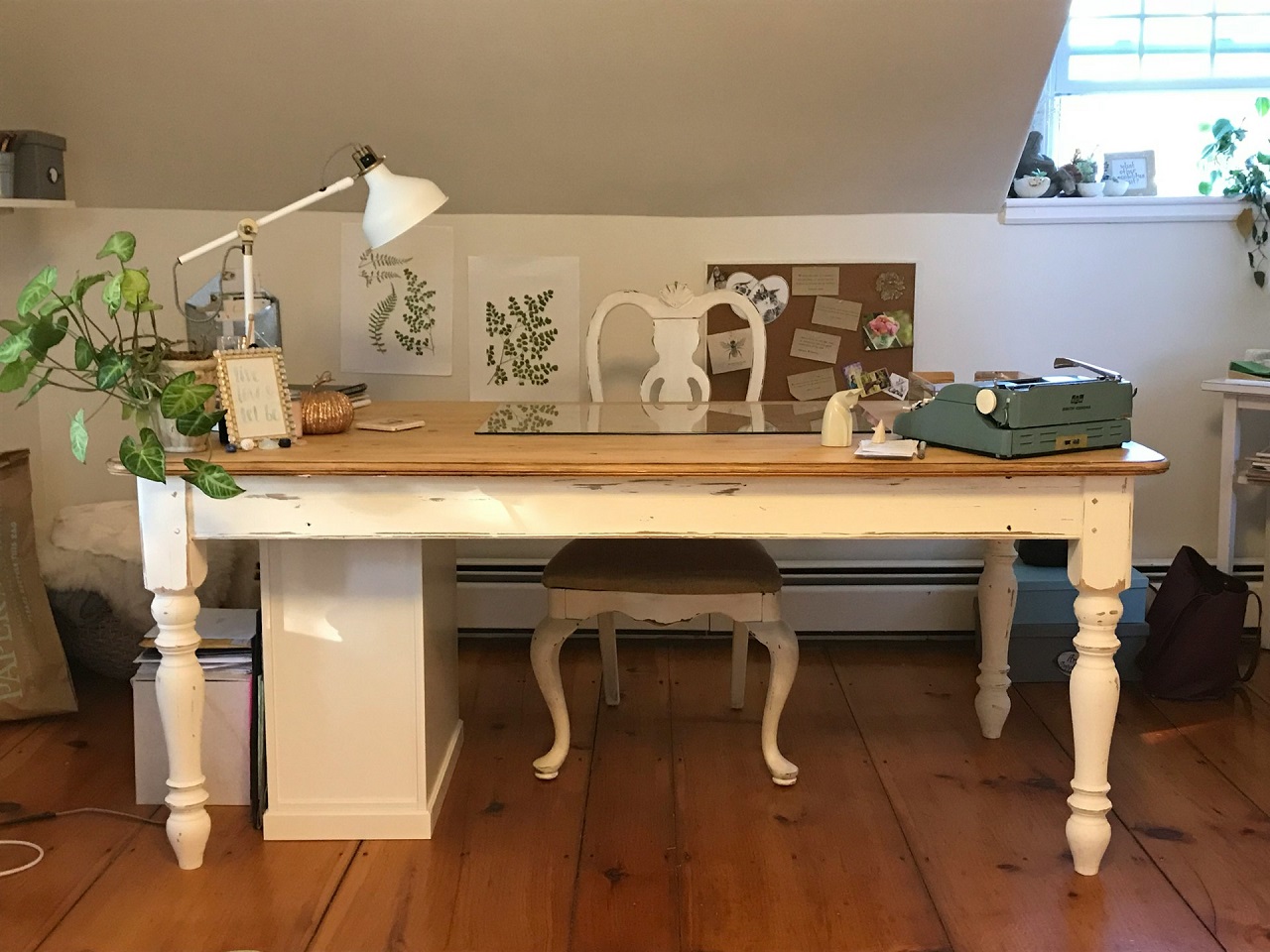
If you love making things with your hands-whether it's scrapbooking, sewing, painting, or building models-you know how important a good workspace is. A cluttered kitchen counter or a wobbly folding table just won't cut it when you're deep in a creative project. That's where a dedicated craft table comes in. But with so many options out there, how do you choose the right one? We'll help you with this useful guide.
Start With Your Space
Before you even think about features or price, take a good look at the room where you'll put your craft table. Measure the area carefully. Write down the width, depth, and height you have to work with. Don't forget to leave enough room to move around the table comfortably-especially if you'll be standing or sitting for long periods.
Also, consider the shape of your space. A long, narrow room might work better with a narrow table against the wall. A square room could handle a larger, center-placed table. Be honest about how much room you can really spare. A huge table in a tiny room will only make your crafting harder, not easier.
Ask yourself these questions:
- Will the table stay in one place, or do I need to move it often?
- Do I share this space with others?
- Is there natural light, or will I need good artificial lighting?
Think About What You Actually Make
Your craft table should match the kind of work you do. Someone who paints watercolors needs a very different setup than someone who cuts fabric or assembles wooden toys.
If you work with wet materials like paint, ink, or glue, look for a surface that's easy to wipe clean-laminate, melamine, or sealed wood are great choices. If you do a lot of cutting, consider a table with a built-in cutting mat or one that can handle a replaceable surface.
Sewers often need a large, flat surface with room for a sewing machine and fabric rolls. Jewelry makers might prefer a table with drawers or compartments for tiny beads and tools. Model builders need steady surfaces and good lighting. Think about your most common projects and let that guide your decision.
Size and Height Matter
A table that's too small will frustrate you. One that's too big will crowd your room. The ideal size gives you enough room to spread out your materials without feeling cramped-but not so much that you're constantly reaching across it.
Standard table height is around 29 to 30 inches, which works well for sitting. But if you stand while you work-maybe you're cutting fabric or sanding wood-you'll want something taller, around 36 inches (the height of a kitchen counter). Some craft tables even offer adjustable heights, which is a great option if you switch between sitting and standing.
If you're shorter or taller than average, don't ignore this detail. A poorly sized table leads to back pain, shoulder strain, and tired hands. Your comfort is just as important as your creativity.
Storage Is Your Best Friend
Let's be honest: crafting creates clutter. Yarn, thread, paper, glue, scissors, rulers-it all adds up fast. A good craft table includes smart storage to keep your supplies organized and within reach.
Look for features like:
- Drawers (deep ones for large items, shallow ones for small tools)
- Shelves underneath for bins or baskets
- Side cabinets or cubbies
- Pegboards or hooks for hanging scissors, ribbons, or rulers
Some tables come with rolling carts that tuck underneath. These are fantastic because you can pull them out when you need extra space and push them away when you're done. Just make sure the storage fits your actual supplies-not just what looks nice in the product photo.
Surface Material: Durability Meets Function
The top of your craft table takes the most abuse. It gets scratched, stained, and sometimes even cut. Choose a material that can handle your usual messes.
Wood looks warm and classic, but unfinished wood soaks up spills. If you go this route, make sure it's sealed or finished with a protective coating.
Laminate or melamine surfaces resist stains, water, and scratches. They're easy to clean and usually more affordable.
Glass tops look sleek and modern, and they're great for tracing designs-but they show every fingerprint and can be slippery for small items.
Steel or metal works well for heavy-duty crafts like metalworking or soldering, but it's cold to the touch and can dent.
Whatever you pick, make sure it's smooth and flat. Warped or uneven surfaces make precise work nearly impossible.
Don't Forget About Mobility
If your craft table lives in a shared space-like a dining room or living room-you'll probably need to move it sometimes. Look for tables with locking casters (wheels). They let you roll the table out of the way when guests come over and lock it firmly in place when you're working.
Even if you plan to keep the table in one spot, wheels can be helpful during cleaning or rearranging. Just make sure they're sturdy and don't wobble. A shaky table ruins your focus and your work.
Lighting and Extras That Make a Difference
Good lighting is non-negotiable. If your room doesn't have strong overhead lights, consider a craft table with a built-in LED lamp or one that has a mount for a swing-arm lamp. Natural light is best, but it's not always available-especially in the evening.
Other useful extras include:
- Power outlets or USB ports built into the table (great for glue guns, sewing machines, or charging devices)
- Edge lips or raised borders to stop small items from sliding off
- Fold-down leaves or extensions for extra surface area when needed
- Cable management clips to keep cords tidy
These features might seem small, but they add up to a smoother, more enjoyable crafting experience.
Budget: Spend Smart, Not Just Cheap
Craft tables range from under $100 to over $500. It's tempting to grab the cheapest option, but a flimsy table won't last-and you'll end up replacing it sooner than you think.
Instead, set a realistic budget based on how often you craft. If you're a weekend hobbyist, a mid-range table ($150-$300) with decent storage and a solid surface should work well. If you craft daily or run a small business from home, investing in a higher-end model makes sense.
Look for sales, especially around holidays. Read customer reviews-not just the five-star ones, but the three- and four-star reviews that mention real-world use. They often reveal details you won't find in the product description.
Assembly and Maintenance
Most craft tables arrive in pieces and require assembly. Check how many parts are involved and whether the instructions are clear. If you're not comfortable using tools, look for tables that advertise "easy assembly" or consider paying for professional setup.
Once it's built, think about upkeep. A table with a wipeable surface saves time. Avoid finishes that yellow over time or peel easily. Solid construction means fewer wobbles and longer life.
Checklist
Before you click "Add to Cart," run through this quick list:
- Does it fit in my space-with room to move around it?
- Is the height right for how I work (sitting or standing)?
- Does the surface handle my materials (paint, fabric, glue, etc.)?
- Is there enough storage for my most-used supplies?
- Are the materials sturdy and easy to clean?
- Does it have useful extras like wheels, lighting, or power outlets?
- Is it within my budget-and worth the price?
If you can answer "yes" to most of these, you're probably looking at a great choice.
FAQ
Can I use a regular desk as a craft table?
You can, but it might not be ideal. Desks often lack the surface area, storage, and durability needed for messy or bulky craft projects. A dedicated craft table is designed with makers in mind.
How much space do I really need around the table?
Aim for at least 24 to 30 inches of clear space on all sides. This gives you room to pull out chairs, open storage, and move freely without bumping into walls or furniture.
Are foldable craft tables worth it?
They're great if you have limited space or need flexibility. Just make sure the folding mechanism is strong and the surface stays level when open. Avoid ultra-thin models-they tend to wobble.
What's the best surface for cutting fabric?
Self-healing cutting mats are ideal, but if your table doesn't have one, look for a smooth, hard surface you can cover with a rotary mat. Avoid glass-it's too slippery-and soft wood-it gets damaged easily.
Should I buy a craft table online or in-store?
If you can visit a store, do it. You'll get a feel for the size, height, and sturdiness. But if you shop online, read detailed reviews, check return policies, and measure your space twice before ordering.
How do I keep my craft table organized?
Use clear bins, labeled drawers, and wall-mounted organizers. Put frequently used items within arm's reach and store seasonal or rarely used supplies elsewhere. A tidy table means more time creating and less time searching.


