




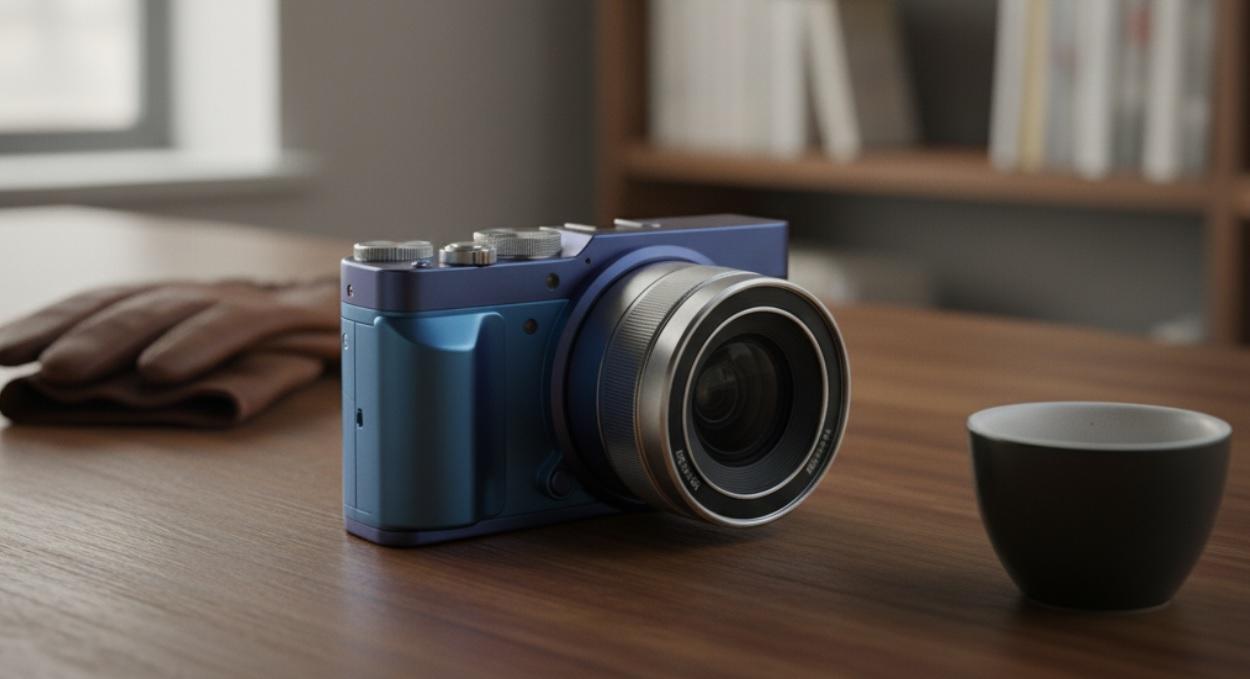
You don't always need a big DSLR or mirrorless camera to take great photos. Sometimes, all you want is something small enough to slip into your pocket but powerful enough to capture sharp, colorful, and memorable shots. That's where compact cameras shine.
Today's best compact cameras combine smart features, solid image quality, and real convenience. They're perfect for travel, family events, street photography, or just keeping a camera handy without lugging around heavy gear. We looked at dozens of models based on real user reviews, expert testing, and long-term reliability-and narrowed it down to the five best compact cameras you can actually buy right now.
How We Chose These Cameras
We focused only on models that are easy to find, widely owned, and consistently praised by everyday users. Each camera on this list has thousands of verified reviews and a strong track record for performance, battery life, and ease of use. We also made sure they offer real advantages over using just your smartphone.
Best Overall Compact Camera: Sony ZV-1
The Sony ZV-1 was originally designed for vloggers, but it's become a favorite for anyone who wants great photos and video in a tiny body. It fits in your jacket pocket, starts up fast, and delivers sharp, vibrant images even in tricky lighting.
Pros:
- 1-inch sensor-much larger than most compacts, meaning better low-light performance
- Fast autofocus that locks onto faces and eyes instantly
- Flip-out screen makes selfies and vlogging easy
- Built-in directional mic reduces background noise
- 4K video with no recording time limit
Cons:
- No viewfinder-hard to use in bright sunlight
- Battery life is average (carry a spare)
- Fixed lens-no zoom beyond 24-70mm equivalent
You'll love this camera if you want one device for both photos and video, especially for travel or daily adventures. It's simple to use but still gives you manual control when you need it.
Best Budget Compact Camera: Canon PowerShot ELPH 190
If you're looking for an affordable, no-fuss camera that just works, the Canon PowerShot ELPH 190 is hard to beat. It's lightweight, ultra-thin, and ready to go in seconds.
Pros:
- Super compact-fits in any small bag or pocket
- 20x optical zoom (24-480mm equivalent) for distant subjects
- Simple menu system, great for beginners or older users
- AA battery option (with adapter) means you're never stranded
- Under $150, making it one of the cheapest real cameras available
Cons:
- Small sensor-struggles in low light
- Video is only 720p HD, not full HD or 4K
- Plastic build feels a bit flimsy
This is the perfect "grab-and-go" camera for vacations, kids' sports, or family gatherings. It won't replace your phone for social media, but it will give you better zoom and more reliable photo quality in daylight.
Best Premium Compact: Sony RX100 VII
For those who want the absolute best image quality in a pocket-sized body, the Sony RX100 VII is the gold standard. It's expensive, but it packs features usually found in much larger cameras.
Pros:
- 1-inch sensor with excellent dynamic range
- 24-200mm zoom lens-versatile for everything from landscapes to portraits
- Lightning-fast autofocus with real-time tracking
- Electronic viewfinder pops up when needed
- 4K video with mic input and advanced settings
Cons:
- Price is over $1,100-steep for a compact
- Small buttons can be hard to press for users with larger fingers
- Battery life is short; you'll need extras for full-day use
You should consider this if you're serious about photography but refuse to carry a big camera. Travel photographers, journalists, and enthusiasts swear by the RX100 series for good reason.
Best for Travel and Adventure: Olympus Tough TG-6
Most compact cameras break if you drop them. The Olympus Tough TG-6 laughs at drops, water, snow, and dust. It's built like a tank but still takes surprisingly good photos.
Pros:
- Waterproof up to 50 feet (15 meters)-no housing needed
- Shockproof from 7-foot drops
- Freezeproof down to 14°F (-10°C)
- Built-in macro modes for extreme close-ups of insects or textures
- GPS and compass for geotagging your outdoor shots
Cons:
- Image quality is good but not great-small sensor limits detail
- No touchscreen
- Video is only 4K at 30fps, with no mic input
If you hike, snorkel, ski, or just live an active life, this camera will survive what your phone won't. It's the ultimate companion for outdoor adventures where reliability matters more than pixel-perfect photos.
Best for Style and Simplicity: Fujifilm XP150
Fujifilm brings its famous film-inspired colors to a rugged, colorful compact. The XP150 is waterproof, shockproof, and comes in bright blue, yellow, or lime green-so you'll never lose it in your bag.
Pros:
- Waterproof to 65 feet (20 meters)-deeper than most competitors
- Freezeproof to -10°C and shockproof from 5.9 feet
- Fujifilm's color science makes photos look rich and natural
- 4K video at 15fps (good enough for social clips)
- Simple controls with a fun, retro design
Cons:
- No manual mode-everything is automatic
- Slow autofocus in dim light
- Limited zoom (28-140mm equivalent)
This is a great choice for families, beach trips, or anyone who wants a durable, cheerful camera that takes pleasing photos without any settings to fiddle with.
Do You Really Need a Compact Camera?
Smartphones have gotten incredibly good at photography. But compact cameras still offer real advantages:
- Optical zoom: Digital zoom on phones just crops the image. Compact cameras use real lenses to zoom without losing quality.
- Better sensors: Even budget compacts often have larger sensors than phone cameras, especially in low light.
- Physical controls: Dedicated buttons for shutter, zoom, and mode dial make shooting faster and more intuitive.
- Battery life: You can take hundreds of photos on one charge-unlike your phone, which dies by evening.
If you travel often, shoot in nature, or just want a dedicated device for memories, a compact camera is still worth it.
What to Look for When Buying
Before you pick one, ask yourself:
- Will I carry it every day? → Go ultra-light like the Canon ELPH.
- Do I need it for snorkeling or hiking? → Choose a rugged model like the TG-6 or XP150.
- Do I care about video quality? → The Sony ZV-1 or RX100 VII are best.
- Is image quality my top priority? → Skip budget models and go for the RX100 VII.
Also check battery type. Some use proprietary batteries (hard to replace on the road), while others accept standard AA or AAA cells-handy in a pinch.
Comparison Table: Best Compact Cameras
| Model | Sensor Size | Zoom Range (35mm equiv.) | Key Strength | Price Range |
|---|---|---|---|---|
| Sony ZV-1 | 1-inch | 24-70mm | Best for photos + video, fast autofocus | $650-$750 |
| Canon PowerShot ELPH 190 | 1/2.3-inch | 24-480mm | Best budget option, huge zoom | $120-$150 |
| Sony RX100 VII | 1-inch | 24-200mm | Premium quality, pro features in pocket size | $1,050-$1,200 |
| Olympus Tough TG-6 | 1/2.3-inch | 25-100mm | Rugged, waterproof, great for outdoors | $380-$450 |
| Fujifilm XP150 | 1/2.3-inch | 28-140mm | Colorful, waterproof, simple to use | $200-$250 |
Use this table to match your needs with the right camera. Remember: the most expensive isn't always the best for you. A $130 Canon might serve your family better than a $1,100 Sony-if all you need is daylight snapshots and zoom.
Compact cameras aren't dead. They've just gotten smarter, tougher, and more focused on what real people actually use them for.


