




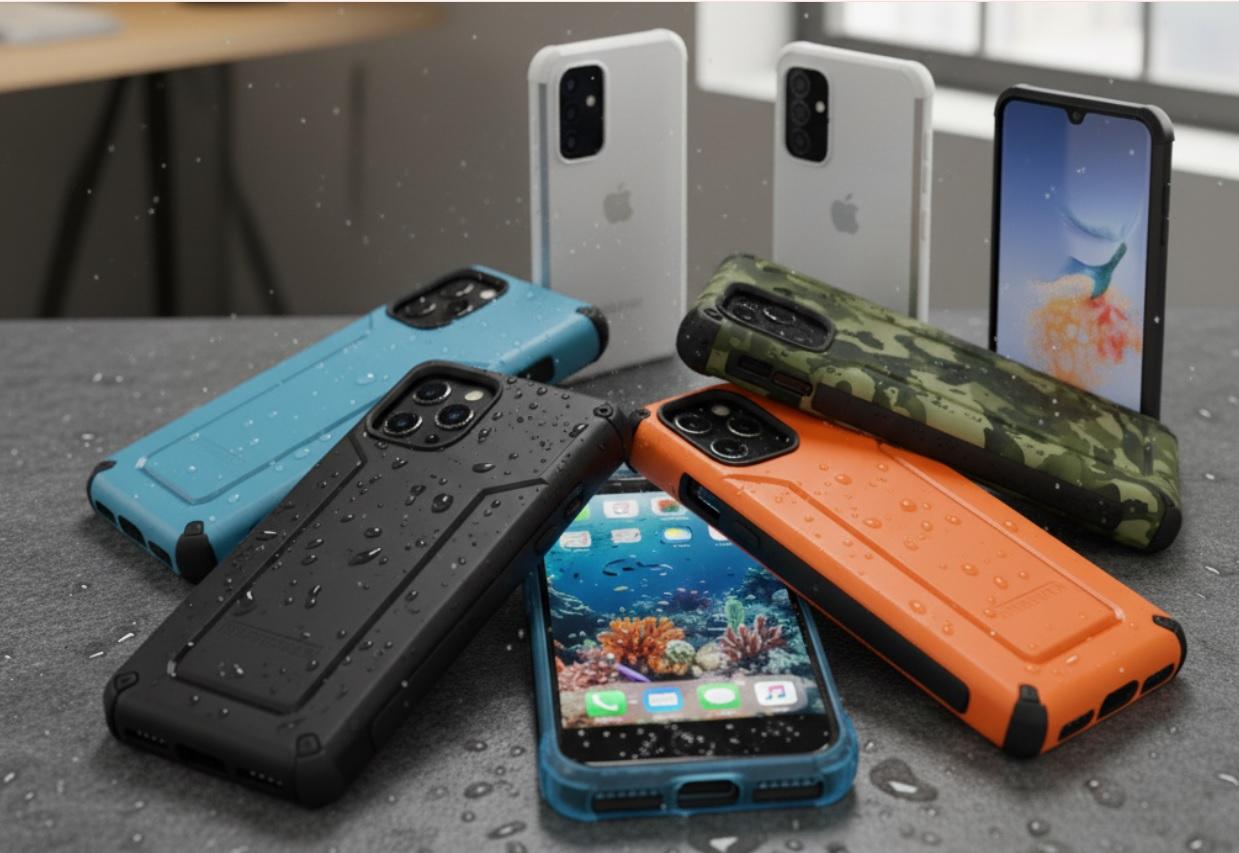
You love your iPhone. It holds your photos, messages, music, and even your boarding pass. But what happens when you're at the beach, on a boat, or caught in a sudden downpour? One splash, and your phone could be ruined. That's where a waterproof iPhone case comes in-not just as an accessory, but as real protection.
Not all waterproof cases are the same. Some barely keep out a light drizzle. Others let you snorkel 30 feet underwater while snapping photos. This guide will help you pick the right one based on where you'll use it, how deep you'll go, and what features matter most to you.
Why You Need a Waterproof Case (Even If Your iPhone Is "Water Resistant")
Apple says newer iPhones are water resistant, not waterproof. There's a big difference. Water resistance means your phone can survive a quick splash or accidental drop in the sink-under perfect lab conditions. Real life isn't a lab.
Chlorine, saltwater, sand, and drops weaken seals over time. Plus, water resistance doesn't cover warranty claims. If your iPhone gets wet and stops working, Apple won't fix it for free. A good waterproof case gives you real peace of mind-and keeps your phone safe when it matters most.
Key Features to Look For
Before you buy, check these details. They make the difference between a case that works and one that fails when you need it most.
Waterproof Rating (IPX8 or Depth Rating)
Look for a clear waterproof rating. The most common is **IPX8**, which means the case can handle submersion in 1.5 meters (about 5 feet) of water for 30 minutes. Some go deeper-10, 20, or even 30 meters.
If you're just going to the pool or beach, IPX8 is enough. But if you plan to snorkel or kayak, choose a case rated for at least 10-15 meters.
Full Touchscreen Access
A useless case is one that blocks your screen. The best waterproof cases let you use every function-typing, swiping, taking photos-without opening the case.
Check reviews to see if buttons are responsive and if the screen stays clear underwater. Fogging or blurry film ruins the experience.
Clear, Scratch-Resistant Windows
You'll want to take photos or videos underwater. That means front and back windows must be crystal clear and made of strong plastic or tempered glass.
Avoid cases with cloudy or yellowed plastic. Over time, cheap materials scratch easily and reduce photo quality.
Secure Sealing System
Most cases use a double-locking zipper, screw-on cap, or snap-seal design. The seal must be easy to close but hard to open accidentally.
Before using it in water, always do a **dry test**: put a paper towel inside, seal it, and dunk it in a bowl for 10 minutes. If the towel stays dry, you're good to go.
Strap or Lanyard Attachment
Water makes everything slippery. A wrist strap or neck lanyard keeps your phone from sinking if it slips out of your hand.
Some cases include a floating strap-so your phone actually floats if dropped in water. This is a huge plus for boating or paddleboarding.
Compatibility with Your iPhone Model
iPhone sizes change every few years. A case made for an iPhone 12 won't fit an iPhone 15 Pro Max. Always double-check the model number before buying.
Also, make sure the case doesn't block the charging port, speakers, or microphone. Some waterproof cases require you to remove them to charge-annoying if you're on the go.
Types of Waterproof iPhone Cases
There are three main styles. Each has pros and cons depending on your needs.
Universal Pouch-Style Cases
These look like clear plastic wallets with a waterproof seal. You slide your phone in, lock the seal, and you're ready.
Pros:
- Fit almost any phone size
- Very affordable ($10-$20)
- Lightweight and packable
Cons:
- Touchscreen response can be slow
- Not durable for repeated use
- No protection from drops or impacts
Good for: occasional beach trips, rain protection, or emergency backup.
Dedicated Hard-Shell Cases
These are molded specifically for your iPhone model. They snap shut with strong latches and often include built-in screen protectors.
Pros:
- Excellent touchscreen feel
- Better drop protection
- Often include floating straps
Cons:
- More expensive ($30-$60)
- Bulkier than pouches
- Only fit one iPhone model
Good for: regular swimmers, snorkelers, or outdoor adventurers.
Hybrid Waterproof + Rugged Cases
These combine waterproofing with military-grade drop protection. They're thick, tough, and built for extreme conditions.
Pros:
- Survive drops, dust, snow, and deep water
- Often have IP68 rating (water + dust proof)
- Include screen protectors and port covers
Cons:
- Heavy and bulky
- Harder to press buttons
- Pricey ($50-$80)
Good for: construction workers, hikers, kayakers, or anyone in harsh environments.
Top Things People Get Wrong
Even smart buyers make simple mistakes. Avoid these common pitfalls:
- Assuming "waterproof" means forever. Seals wear out. Replace your case every 1-2 years, or if the plastic cracks.
- Not closing the seal properly. Double-check the lock before going in water. One gap = water inside.
- Using it in hot water. Saunas, hot tubs, or very warm pools can warp plastic and break seals.
- Ignoring condensation. Big temperature changes (like going from AC to beach heat) can fog the inside. Let your phone adjust before sealing it.
How to Test Your Case Before You Need It
Never trust a waterproof case without testing it first. Here's how:
- Put a dry paper towel or tissue inside the case.
- Seal it exactly as you would for real use.
- Submerge it in a bowl or sink for 15-20 minutes.
- Take it out and check the paper. If it's even slightly damp, return the case.
Do this every few months if you use the case regularly. A small leak today can become a soaked phone tomorrow.
Best Practices for Using a Waterproof Case
- Rinse after saltwater or chlorine. Salt and chemicals eat away at seals. Rinse the case with fresh water after every use.
- Dry it completely before storing. Trapped moisture leads to mold or fogging.
- Don't overfill. Some pouch-style cases have a max thickness. Adding a screen protector or thick case inside can prevent a proper seal.
- Keep it cool. Don't leave it in a hot car. Heat weakens plastic and rubber seals.
When a Waterproof Case Isn't Enough
Sometimes, you need more than a case. If you're diving deep, surfing big waves, or working in industrial settings, consider a dry bag or waterproof phone pouch rated for extreme conditions.
Also, remember that waterproof cases don't protect against pressure changes. Don't use them while scuba diving below 30 feet unless the manufacturer specifically says it's safe.
Real-Life Scenarios: Which Case Should You Choose?
Beach Day with Kids
Go for a universal pouch or a floating hard-shell case. You'll drop it in sand, dunk it in waves, and hand it to wet hands. A floating strap is a must.
Snorkeling or Kayaking
Choose a dedicated hard-shell case rated for 15+ meters. Make sure it has clear windows and full touchscreen access so you can take underwater photos.
Daily Commute in Rainy City
A slim universal pouch works fine. You only need splash protection, not deep submersion. Keep it in your bag and pull it out when it rains.
Construction Site or Outdoor Job
Pick a hybrid rugged + waterproof case. It should handle dust, drops, and sudden rain without failing.
Conclusion
- Read recent reviews. Look for comments about long-term durability, not just first impressions.
- Check return policy. You need to be able to test it and return it if it leaks.
- Avoid no-name brands. Stick with companies that specialize in waterproof gear-like JOTO, LOKSAK, Catalyst, or OUNNE.
- Buy a spare. If you rely on your phone for work or safety, keep a backup case in your car or bag.
Your iPhone is expensive. A $25 case is cheap insurance. Don't wait for an accident to realize you needed one.
Frequently Asked Questions (FAQ)
Can I use my iPhone underwater with a waterproof case?
Yes, but only if the case is rated for submersion (like IPX8 or 10m+). Always test it first. And remember: touchscreens work underwater, but slowly-tap firmly and wait for the response.
Will a waterproof case affect photo quality?
It can, if the windows are scratched, foggy, or made of cheap plastic. High-quality cases use optical-grade film that doesn't distort images. Clean the windows before shooting.
Do I need a separate screen protector?
Most waterproof cases include one, or the plastic itself acts as protection. Adding another screen protector inside can make the seal too thick. Check the instructions first.
Can I charge my phone while it's in the case?
Most waterproof cases require you to remove the phone to charge. A few high-end models have sealed USB ports, but they're rare. Plan ahead-charge before your trip.
How long does a waterproof case last?
With regular use, 1-2 years. Sunlight, salt, and heat break down seals over time. If the plastic feels brittle or the seal doesn't snap shut tightly, replace it.
Are waterproof cases bulky?
Pouch-style ones are thin and light. Hard-shell and rugged cases add size and weight-but that's the trade-off for real protection. Try to hold one in person if you can.


