




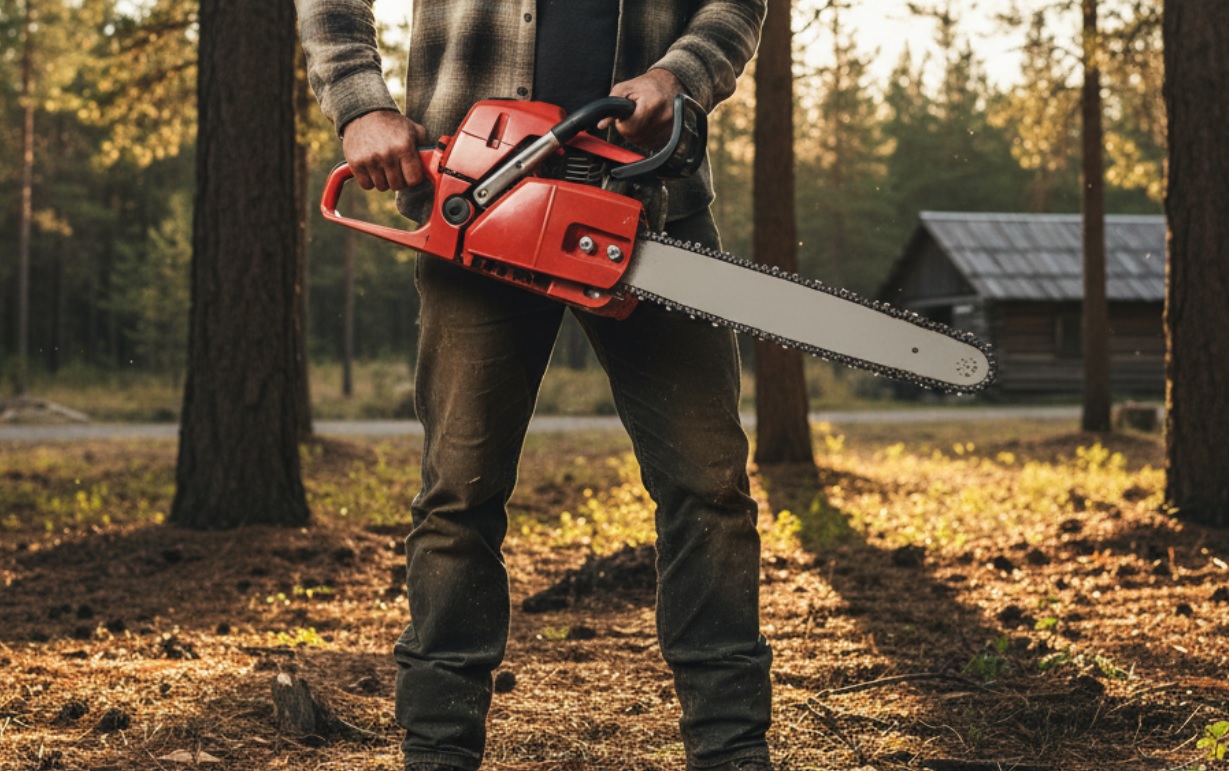
Chainsaws come in all shapes and sizes - gas, electric, or battery-powered. Each has its pros and cons, and the right one depends on what you want to do and how comfortable you are using it. This guide explains the main options and what to consider before buying.
Why Your Choice Matters
A chainsaw is more than just a tool-it's an extension of your effort. Pick the wrong one, and you'll waste time, energy, and maybe even money. A gas chainsaw might be too loud and heavy for light pruning. A small battery model could die halfway through cutting a fallen tree. Understanding your typical tasks is the first step toward a smart purchase.
Gas Chainsaws: Power for Heavy-Duty Jobs
Gas-powered chainsaws run on a mix of gasoline and oil. They're the go-to choice for professionals and serious homeowners who tackle big jobs regularly.
Pros of Gas Chainsaws
- Raw power: They cut through thick logs and hardwoods with ease.
- Long runtime: Refuel in minutes and keep working for hours.
- No cords or batteries: Perfect for remote areas with no electricity.
- Durable: Built to handle tough conditions and frequent use.
Cons of Gas Chainsaws
- Noisy: Expect loud operation that may bother neighbors.
- Heavy: Most models weigh 10-15 pounds or more, which can cause fatigue.
- Maintenance: You'll need to mix fuel, clean air filters, and check spark plugs.
- Emissions: They release fumes, so not ideal for eco-conscious users.
If you cut firewood weekly, clear storm debris, or manage large wooded property, a gas chainsaw makes sense. But if you only trim branches a few times a year, this power might be overkill.
Electric Chainsaws: Simple and Steady
Electric chainsaws plug into a standard wall outlet. They've been around for decades and remain popular for light to medium tasks.
Pros of Electric Chainsaws
- Lightweight: Usually under 10 pounds, making them easy to handle.
- Quiet operation: Much less noise than gas models.
- Low maintenance: No fuel mixing, oil changes, or carburetor tuning.
- Instant start: Just flip a switch-no pulling cords.
- Clean: No fumes or messy fuel spills.
Cons of Electric Chainsaws
- Cord limits range: You're stuck within 100 feet of an outlet unless you use an extension cord.
- Less power: Struggles with logs over 12 inches in diameter.
- Tripping hazard: The cord can get in your way or get cut accidentally.
- Not for wet conditions: Using one in rain or damp grass is unsafe.
Electric chainsaws shine for backyard cleanup, pruning small trees, or cutting firewood from already-fallen branches. They're great for retirees, beginners, or anyone who values simplicity over brute strength.
Battery Chainsaws: Freedom Without Fuel
Battery-powered chainsaws have improved dramatically in the last decade. Modern lithium-ion batteries deliver surprising power and longer runtimes.
Pros of Battery Chainsaws
- Portable: No cords, no fuel-just grab and go.
- Quiet and clean: Ideal for early morning or suburban use.
- Easy to start: Push a button and you're cutting.
- Low maintenance: No engine parts to service.
- Safe for damp conditions: Unlike electric models, many handle light moisture well.
Cons of Battery Chainsaws
- Limited runtime: Most last 20-40 minutes under heavy use.
- Slower cutting: Not as fast as gas on thick or dense wood.
- Battery cost: Extra batteries add to the total price.
- Charging time: Waiting 30-60 minutes to recharge interrupts workflow.
Battery chainsaws work best for occasional users-think weekend warriors, urban gardeners, or people with small to medium yards. They're also handy for quick storm cleanup or cutting kindling.
How to Choose
Ask yourself these questions before buying:
- What will I cut most often? Small branches? Thick logs? Firewood?
- How often will I use it? Once a month or every weekend?
- Where will I use it? Backyard? Deep in the woods? On a ladder?
- How much weight can I handle comfortably? Try holding a full water jug to test your grip strength.
- Do I mind maintenance? If oil changes sound like a chore, skip gas.
Here's a quick cheat sheet:
- Light duty (pruning, small limbs): Electric or small battery model (8-12 inch bar).
- Medium duty (firewood, storm cleanup): Mid-size battery or electric (14-16 inch bar).
- Heavy duty (felling trees, large logs): Gas chainsaw (18+ inch bar).
Bar Length: Don't Overbuy
The bar is the long metal part that holds the chain. Its length determines what you can cut safely.
A common mistake is buying a chainsaw with a bar that's too long. A 20-inch bar looks impressive, but it's harder to control and drains battery or fuel faster. As a rule, your bar should be at least 2 inches longer than the diameter of the wood you plan to cut.
- 8-10 inches: Great for light pruning and small branches.
- 12-14 inches: Handles most homeowner tasks like cutting firewood.
- 16-18 inches: Good balance for regular yard work and occasional tree removal.
- 20+ inches: For professionals or serious landowners-requires experience.
Remember: a shorter bar is safer, lighter, and more efficient for everyday jobs.
Safety Features You Shouldn't Skip
No matter which type you choose, safety matters. Look for these features:
- Chain brake: Stops the chain instantly if the saw kicks back.
- Hand guard: Protects your left hand from flying debris.
- Tool-free chain tensioning: Lets you adjust the chain without wrenches-safer and faster.
- Low-kickback chain: Reduces sudden upward motion during cutting.
Always wear safety gear: gloves, eye protection, ear protection, and sturdy boots. Never operate a chainsaw above shoulder height or on a ladder unless you're trained.
Brand and Budget Considerations
You don't need to spend $500 to get a reliable chainsaw. Many brands offer solid performance at fair prices.
For gas models, Husqvarna, Stihl, and Echo lead the pack-but expect to pay $250-$500. Electric options from Black+Decker, Worx, and Greenworks cost $80-$200 and suit most homeowners. Battery chainsaws from EGO, DeWalt, and Milwaukee offer strong performance in the $200-$350 range, especially if you already own compatible batteries.
Watch for sales in late winter or early spring-many retailers discount chainsaws after the holiday storm season.
Conclusion
Read real user reviews, not just star ratings. Look for comments about battery life, ease of starting, and chain durability. If possible, visit a store and hold the model in your hands. Weight and balance matter more than specs on paper.
Also, consider where you'll store it. Gas saws need dry, ventilated spaces away from heat sources. Battery models should be kept in cool, dry areas to preserve battery health..
Frequently Asked Questions (FAQ)
Can I use a battery chainsaw in the rain?
Most manufacturers advise against it. While battery models don't have the same electrical risks as corded ones, water can still damage internal components or cause slipping. Wait for dry conditions whenever possible.
How often should I sharpen the chain?
Sharpen it every time you refill fuel (for gas) or after 2-3 full battery charges. A dull chain makes cutting harder, increases kickback risk, and wears out the motor faster.
Do electric chainsaws need oil?
Yes! All chainsaws-gas, electric, or battery-require bar and chain oil to reduce friction and prevent overheating. Most have automatic oilers, but you must keep the reservoir filled.
Is a 16-inch chainsaw enough for firewood?
For most homeowners, yes. A 16-inch bar can cut through logs up to 14 inches in diameter, which covers the majority of firewood needs. Only go bigger if you regularly split large hardwoods like oak or maple.
How long do battery chainsaw batteries last?
With proper care, lithium-ion batteries last 3-5 years or 300-500 charge cycles. Store them at 40-60% charge in a cool place to maximize lifespan.
Can I use my chainsaw to cut metal or concrete?
No. Chainsaws are designed for wood only. Cutting other materials can shatter the chain, damage the motor, and create dangerous flying debris.


