




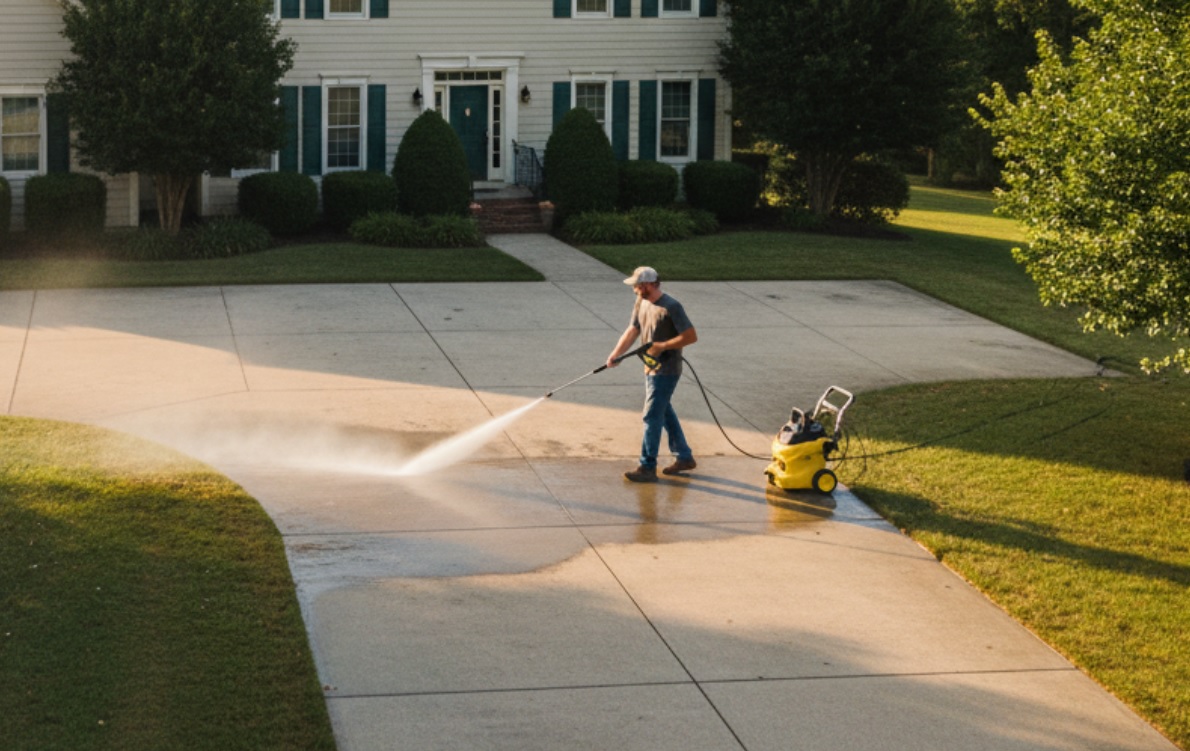
A pressure washer can make cleaning patios, driveways, and garden tools much easier. Different models work in different ways, and some are better for certain jobs than others. This guide explains the main types and features so you know what will work for you.
What Is a Pressure Washer?
A pressure washer uses water under high pressure to clean surfaces. It removes dirt, grime, mold, and even old paint faster and more effectively than a garden hose or scrub brush. You can use it on driveways, patios, decks, cars, outdoor furniture, and more.
Most pressure washers connect to a regular garden hose and either plug into an electrical outlet or run on gasoline. The key difference between models lies in their power, portability, and intended use.
Types of Pressure Washers
There are two main types: electric and gas-powered. Each has its own strengths and weaknesses. Your choice depends on what you plan to clean and how often you'll use the machine.
Electric Pressure Washers
Electric models are quieter, lighter, and easier to maintain. They're perfect for light to medium cleaning tasks around the house.
- Typical pressure: 1,300 to 2,000 PSI (pounds per square inch)
- Water flow: 1.0 to 1.6 GPM (gallons per minute)
- Best for: Cars, patios, outdoor furniture, siding, small driveways
- Power source: Standard 120-volt household outlet
- No fuel needed-just plug in and go
These washers are great for homeowners who clean occasionally. They start instantly, store easily, and don't produce fumes. However, they're not strong enough for heavy-duty jobs like stripping paint or cleaning large commercial areas.
Gas-Powered Pressure Washers
Gas models deliver more power and are built for tougher jobs. They're louder and heavier, but they get the job done faster on large or stubborn surfaces.
- Typical pressure: 2,000 to 4,000+ PSI
- Water flow: 2.0 to 4.0 GPM
- Best for: Large driveways, concrete, farm equipment, decks, graffiti removal
- Power source: Gasoline engine (usually 4-stroke)
- More portable-no need for an electrical outlet
If you have a big property or plan to use the washer weekly, a gas model makes more sense. Keep in mind that they require more maintenance-oil changes, fuel storage, and occasional tune-ups.
Understanding PSI and GPM
Two numbers matter most when comparing pressure washers: PSI and GPM.
PSI (Pounds per Square Inch) measures how hard the water hits the surface. Higher PSI means more cleaning power. For example, 1,500 PSI can clean a car, while 3,000 PSI can strip old paint from wood.
GPM (Gallons per Minute) tells you how much water flows through the machine. More water means faster cleaning, especially on large areas. A higher GPM also helps rinse away dirt more effectively.
Don't just look at PSI alone. A washer with 2,500 PSI and 2.5 GPM will clean better than one with 3,000 PSI and 1.5 GPM. The combination of both determines real-world performance.
Where Will You Use It?
Think about the surfaces you'll clean most often. That will help you choose the right type and power level.
- Cars and bikes: 1,200-1,800 PSI is enough. Higher pressure can damage paint or rubber.
- Wood decks and fences: 1,500-2,200 PSI with a wide-angle nozzle to avoid splintering.
- Concrete driveways and sidewalks: 2,000-3,000 PSI works well for oil stains and embedded dirt.
- Brick or stone walls: 2,500-3,500 PSI, but always test a small area first.
- Roof cleaning: Avoid high pressure! Use a low-pressure nozzle (under 1,000 PSI) with detergent to remove moss or algae safely.
Using too much pressure can damage surfaces. Always start with a lower setting and increase only if needed.
Important Features to Consider
Beyond power, look for features that make your life easier and your cleaning more effective.
Nozzles and Spray Tips
Most pressure washers come with multiple nozzles, each color-coded for a different spray pattern:
- Red (0°): Very narrow, high pressure-only for tough stains on metal or concrete. Never use on wood or cars.
- Yellow (15°): Good for general cleaning of driveways and sidewalks.
- Green (25°): Safer for wood, vinyl siding, and vehicles.
- White (40°): Low pressure, wide spray-ideal for rinsing soap.
- Black: Used for applying detergent at low pressure.
Some models include a rotating nozzle or turbo nozzle that spins the water stream for faster cleaning without damaging surfaces.
Detergent System
Many washers have a built-in tank or siphon system to mix cleaning solution with water. This is useful for removing grease, mold, or mildew. Check if the detergent system works with your preferred cleaners-some only accept specific types.
Hose Length and Wand Quality
A longer hose (20-35 feet) gives you more reach without moving the machine. Look for a high-pressure hose that won't kink easily. The wand (the long tube you hold) should feel comfortable and have a secure trigger.
Portability and Storage
Electric models are usually lightweight and can be stored in a closet or garage shelf. Gas models often have wheels and handles, but they're bulkier. If you have stairs or limited space, weight and size matter.
Accessories
Some kits include extra nozzles, extension wands, surface cleaners (for large flat areas), or hose reels. These can save time and improve results, but they also increase the price.
How Much Should You Spend?
Pressure washers range from $100 to over $1,000. Here's a rough breakdown:
- $100-$200: Basic electric models for light home use. Good for occasional cleaning.
- $200-$400: Mid-range electric or entry-level gas washers. Better build quality and more features.
- $400-$700: Powerful gas models for regular or heavy-duty use. Often include better pumps and longer warranties.
- $700+: Commercial-grade machines. Overkill for most homeowners unless you're cleaning large properties or doing side jobs.
You don't need to spend a fortune for good results. Focus on your actual needs, not the highest specs.
Brand Reliability and Warranty
Stick with well-known brands like Ryobi, Sun Joe, Simpson, Generac, DeWalt, or Karcher. They offer better customer support, replacement parts, and longer warranties.
Look for at least a 1-year warranty on the whole unit and 2-5 years on the pump. The pump is the heart of the machine-its quality determines how long the washer lasts.
Safety Tips
Pressure washers are powerful tools. Treat them with respect:
- Always wear safety goggles and closed-toe shoes.
- Never point the nozzle at people, pets, or yourself.
- Keep children away while operating.
- Use GFCI outlets for electric models outdoors.
- Let gas engines cool before refueling.
- Never run the washer without water-it can destroy the pump in seconds.
Maintenance Matters
A little care goes a long way. After each use:
- Flush the system with clean water.
- Disconnect hoses and store them loosely coiled.
- For gas models, add fuel stabilizer if storing for more than 30 days.
- Check oil levels before each use (gas models).
- Store in a dry, frost-free place during winter.
Regular maintenance prevents costly repairs and extends the life of your machine.
Checklist
Ask yourself these questions:
- What will I clean most often?
- How big is the area I need to clean?
- Do I have access to an outdoor electrical outlet?
- Do I mind handling gasoline and engine maintenance?
- How much storage space do I have?
- What's my budget?
Answering these will narrow your choices quickly.
FAQ
Can I use a pressure washer to clean my roof?
Yes, but never with high pressure. Use a low-pressure nozzle (under 1,000 PSI) and a roof-safe detergent. High pressure can lift shingles and cause leaks.
How often should I change the oil in a gas pressure washer?
Change the oil after the first 5 hours of use, then every 50-100 hours or once per season, whichever comes first. Always check your owner's manual.
Can I use hot water in a standard pressure washer?
No. Most residential pressure washers are designed for cold water only. Hot water can damage seals and pumps unless the unit is specifically built for it.
Why does my electric pressure washer keep shutting off?
This often happens if the water supply is weak or the hose is kinked. Make sure your garden hose is fully open and not twisted. Also, let the trigger sit for 30 seconds before restarting to reset the motor.
Is a surface cleaner worth buying?
If you clean large flat areas like driveways or patios, yes. A surface cleaner attaches to the wand and uses rotating jets to clean faster without streaks or damage.
Can I leave water in the pressure washer between uses?
Not for long. Water left inside can cause corrosion or freezing. After each use, run the machine briefly without water (called "dry running") to clear the system, or follow the manufacturer's winterizing steps.


