




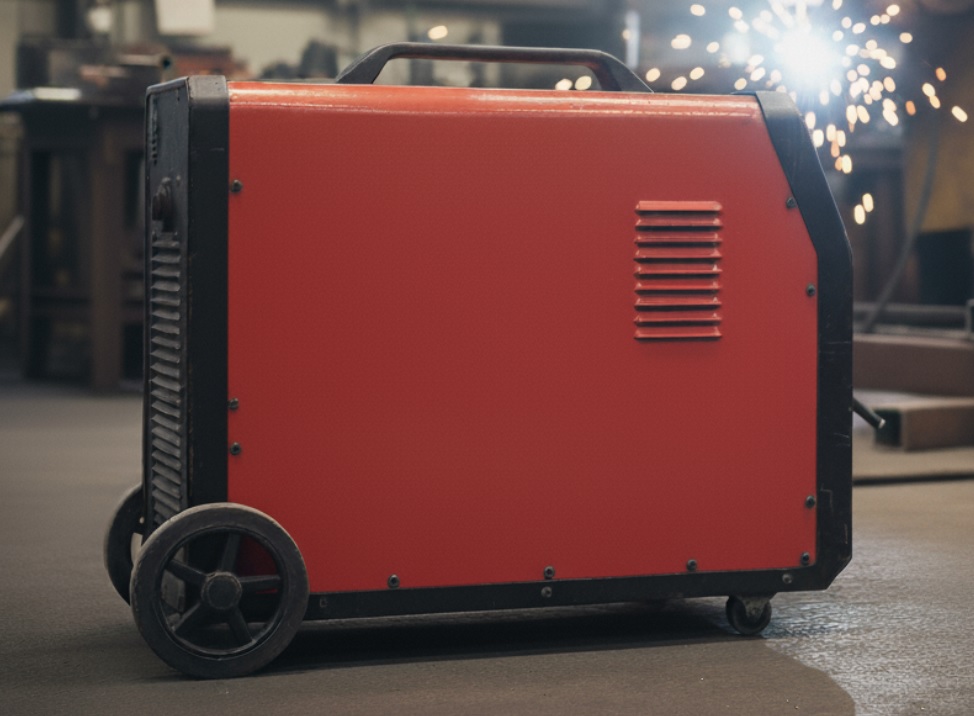
Starting welding for the first time? There are a lot of machines and terms to get used to. We'll cover the basics - which types are good for beginners, what features really matter, and mistakes to avoid.
Why Choosing the Right Welding Machine Matters
Your first welding machine sets the tone for your entire experience. Pick one that's too complex, and you might get frustrated. Choose one that's underpowered or poorly built, and your projects won't turn out well. The right machine gives you room to grow while keeping things simple enough to learn the basics without stress.
Most beginners don't need industrial-grade equipment. What you do need is something reliable, easy to use, and suited to common home or hobby projects like fixing a gate, building a shelf, or repairing a trailer.
Types of Welding Machines Explained
There are four main types of welding processes you'll see in machines sold to beginners: MIG, TIG, Stick (also called SMAW), and Flux-Core. Each has strengths and weaknesses. Let's break them down so you can decide which fits your needs.
MIG Welding (Metal Inert Gas)
MIG welding is often the top recommendation for beginners. It uses a wire feed that acts as both the electrode and the filler material. You pull the trigger, and the machine feeds the wire while shielding gas protects the weld from contamination.
- Pros: Easy to learn, clean welds, minimal cleanup, works well on thin metals.
- Cons: Requires a gas tank (usually argon or CO2 mix), not ideal for outdoor use (wind blows the gas away).
If you plan to work mostly indoors on car repairs, furniture, or small metal art, a MIG welder is a smart starting point.
Flux-Core Welding
Flux-core looks like MIG welding because it also uses a wire feed-but it doesn't need a separate gas tank. The wire itself contains a flux that creates its own shielding gas when it burns.
- Pros: No gas needed, great for outdoor use, handles dirty or rusty metal better than MIG.
- Cons: Produces more spatter, requires more cleanup, not as clean-looking as MIG welds.
Many beginner machines offer both MIG and flux-core options. That gives you flexibility depending on your project and location.
Stick Welding (SMAW)
Stick welding uses a consumable electrode coated in flux. When you strike an arc, the flux melts and forms a protective gas and slag over the weld.
- Pros: Simple equipment, affordable, works outdoors and on dirty or rusty metal.
- Cons: Harder to master, more cleanup (you chip off the slag), not ideal for thin metal.
Stick welders are rugged and great for farm or construction work. But if you're new and want to weld thin sheet metal, this might not be your best first choice.
TIG Welding (Tungsten Inert Gas)
TIG welding uses a non-consumable tungsten electrode and a separate filler rod. You control the heat with a foot pedal and add filler by hand.
- Pros: Extremely precise, beautiful welds, works on many metals (aluminum, stainless steel, etc.).
- Cons: Steep learning curve, slower process, expensive equipment.
Unless you're planning to weld aluminum or need high-quality finishes right away, skip TIG for now. Come back to it once you've got some experience.
Key Features to Look For
Once you've picked a welding type, focus on these practical features. They make a big difference in how easy your machine is to use and how long it lasts.
Power Requirements
Most home outlets provide 120 volts. Many beginner welders run on 120V, which is perfect if you're working in a garage or basement. But if you need more power for thicker metal, you'll need a 240V outlet-like the kind used for dryers or ovens.
Check your electrical setup before buying. Installing a 240V line costs money and time. If you're not ready for that, stick with a 120V model.
Duty Cycle
Duty cycle tells you how long you can weld continuously before the machine needs to cool down. It's shown as a percentage at a specific amperage. For example, "20% duty cycle at 90 amps" means you can weld for 2 minutes out of every 10 at that setting.
Beginners rarely weld long enough to overheat a machine. Still, a higher duty cycle means less waiting and more practice time.
Amperage Range
Amperage controls how much heat the welder produces. Thin metal (like 18-gauge sheet) needs around 30-70 amps. Thicker steel (1/4 inch or more) may need 140+ amps.
Look for a machine with a wide amperage range. That way, you can handle different projects without upgrading too soon.
Portability and Build Quality
If you plan to move your welder around-say, from garage to backyard-weight matters. Some machines weigh under 50 pounds; others are over 100. Also check if it has a handle or wheels.
Build quality affects longevity. Metal cases last longer than plastic. Look for brands known for reliability, even in the budget range.
Accessories Included
Some starter kits come with a mask, gloves, chipping hammer, and wire brush. Others sell the machine alone. Factor in the cost of safety gear and tools if they're not included.
A decent auto-darkening helmet alone can cost $50-$150. Don't skip safety-your eyes and skin need protection from UV rays, sparks, and fumes.
Top Beginner-Friendly Models
You don't need to spend a fortune to get started. Here are three types of machines that offer great value for new welders:
1. Lincoln Electric Handy MIG 140
This 120V MIG/flux-core welder handles metal from 24-gauge up to 1/4 inch thick. It's lightweight, easy to set up, and comes with basic accessories. Lincoln is a trusted name, and parts are easy to find.
2. Forney Easy Weld 140 FC-i
A solid stick and flux-core option that runs on 120V. Great if you want to weld outdoors or on rusty metal. Simple controls and a durable build make it beginner-friendly.
3. Hobart Handler 140
Another top MIG choice. Smooth wire feed, consistent arc, and good customer support. Slightly heavier but very reliable for garage use.
These aren't the only options, but they're proven performers that won't break the bank.
Mistakes New Welders Make
Avoid these pitfalls, and you'll save time, money, and frustration.
Skipping Safety Gear
Welding produces intense light, heat, and fumes. Always wear:
- An auto-darkening helmet
- Flame-resistant gloves and jacket
- Safety glasses under your helmet
- Boots that cover your ankles
Work in a well-ventilated area. Never weld near flammable materials.
Trying to Weld Dirty Metal
Rust, paint, oil, or moisture cause weak, porous welds. Clean your metal with a wire brush or grinder before welding. A few minutes of prep saves hours of rework.
Using the Wrong Settings
Each metal thickness needs the right voltage and wire speed. Start with the manufacturer's chart, then tweak as needed. If your welds are too spattery or won't stick, adjust one setting at a time.
Not Practicing Enough
Welding is a skill. You won't make perfect beads on day one. Practice on scrap metal. Try different angles, speeds, and techniques. Keep a notebook of what settings worked for which jobs.
How Much Should You Spend?
Good beginner welders range from $300 to $600. You can find cheaper models under $200, but they often lack power, consistency, or durability. Think of your first welder as an investment in learning-not just a tool.
If your budget is tight, consider buying a used machine from a reputable brand. Check for signs of heavy use, like burnt wiring or worn feed rollers. Avoid unknown brands with no service support.
Important Tips
- Read reviews from real users. Look for patterns-do many complain about wire jams or overheating?
- Check warranty and customer service. A 3-year warranty beats a 90-day one.
- Visit a local welding supply store. Staff can demo machines and answer questions.
- Start simple. You don't need digital displays or pulse settings yet.
Your goal is to learn the fundamentals: striking an arc, controlling the puddle, and making strong, clean welds. Once you've mastered that, you can upgrade to more advanced gear.
FAQ
Can I weld aluminum with a beginner MIG welder?
Most entry-level MIG welders aren't set up for aluminum. Aluminum needs a spool gun and 100% argon gas. Stick to steel until you're ready for a more advanced machine.
Do I need a separate gas tank for MIG welding?
Yes, if you're using solid wire. But if your machine supports flux-core, you can weld without gas. Many beginners start with flux-core for outdoor jobs and switch to gas-shielded MIG for cleaner indoor work.
How thick of metal can a 140-amp welder handle?
Up to 1/4 inch in a single pass, depending on the joint design and your skill. For thicker metal, you'll need multiple passes or a more powerful machine.
Is it hard to learn MIG welding?
Compared to other methods, MIG is the easiest to pick up. With a few hours of practice, you can make decent welds. Focus on steady hand movement and consistent distance from the workpiece.
Can I plug a welder into a regular household outlet?
Many 120V models work on standard 15- or 20-amp outlets. But check the manual-some require a dedicated circuit to avoid tripping breakers.
What's the difference between MIG and flux-core?
MIG uses a solid wire and external shielding gas. Flux-core uses a tubular wire filled with flux that creates its own gas. Flux-core works outdoors; MIG gives cleaner results indoors.
Should I buy a combo machine?
Combo machines (MIG/stick or MIG/TIG) sound great, but the TIG or stick functions on cheap combos are often weak. Stick to a single-process machine that does one thing well.
How do I know if my weld is strong?
A good weld has consistent width, no cracks, and full penetration into the base metal. If it looks smooth and holds under stress, it's likely strong. Practice and visual inspection go a long way.


