




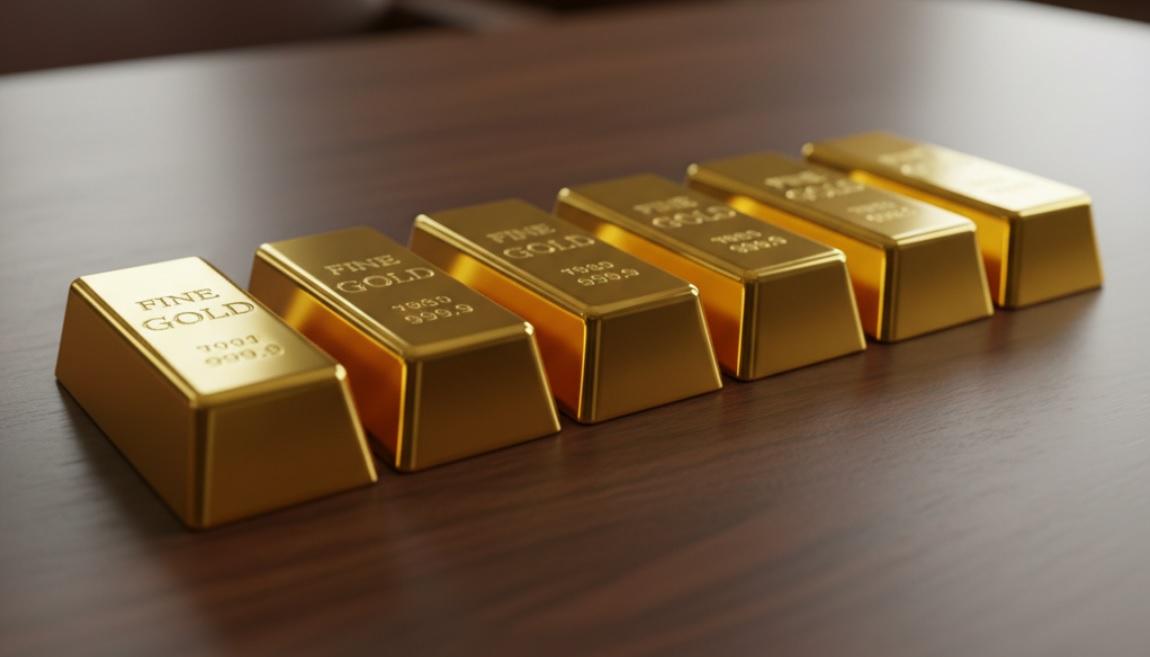
Gold has fascinated people for thousands of years. Kings, emperors, and ordinary citizens have all valued it for its beauty, rarity, and lasting worth. Today, gold is more than just jewelry or a symbol of wealth. It's also a serious investment option. If you're new to the world of finance and wondering what investment gold really means, you've come to the right place.
This guide explains everything you need to know about investment gold in simple terms. No confusing jargon. No complicated theories. Just clear, practical information to help you decide if gold belongs in your financial plan.
Why Do People Invest in Gold?
People buy gold for many reasons. Some see it as a safe place to store value when other investments like stocks or real estate feel risky. Others use it as a long-term savings tool. Gold doesn't disappear. It doesn't go out of style. And it has held value through wars, economic crashes, and even changes in government.
Unlike paper money, which can lose buying power over time due to inflation, gold tends to keep its worth. When prices for food, gas, or housing go up, the price of gold often rises too. That makes it a helpful hedge against inflation.
You might also hear people say gold is a "safe haven." That means during times of uncertainty-like political tension, market crashes, or global crises investors often turn to gold because it's seen as stable and trustworthy.
What Exactly Is Investment Gold?
Not all gold is the same. Jewelry, for example, is beautiful but not ideal for investing. Why? Because jewelers add design, labor, and brand value to the price. When you try to sell it later, you'll likely get far less than you paid.
Investment gold is different. It's pure gold made specifically for buying and holding as an asset. It comes in forms that are easy to buy, store, and sell without hidden markups or complicated processes.
Common Forms of Investment Gold
If you decide to invest in gold, you'll usually choose from one of these options:
- Gold bars (also called ingots): These come in many sizes-from 1 gram to 1 kilogram or more. Larger bars usually have lower premiums over the spot price of gold.
- Gold coins: Official coins minted by governments, like the American Gold Eagle, Canadian Maple Leaf, or South African Krugerrand. They're legal tender and easy to trade worldwide.
- Gold bullion: This is a general term for gold in bulk form, whether bars or coins, valued by weight and purity rather than collectible features.
- Gold ETFs (Exchange-Traded Funds): These are funds traded on stock exchanges that track the price of gold. You don't own physical gold, but you gain exposure to its price movements.
- Gold mining stocks: Shares in companies that mine gold. These are riskier because their value depends on both gold prices and the company's performance.
For beginners, physical gold-like bars and coins-is often the clearest starting point. You hold it, store it, and control it directly.
How Is Investment Gold Different From Other Gold?
The key difference lies in purity and purpose.
Investment-grade gold must be at least 99.5% pure (often labeled as .995 fine). Many coins and bars are even purer-99.99% (or .9999 fine). This high purity ensures the metal's value comes almost entirely from the gold itself, not from craftsmanship or branding.
Jewelry, on the other hand, is often mixed with other metals like copper or silver to make it stronger. A typical gold ring might be only 58.5% gold (14-karat). That means nearly half of what you're paying for isn't gold at all.
Also, investment gold usually carries a small premium over the current market price (called the "spot price"). This premium covers minting, distribution, and dealer profit-but it's much smaller than the markup on jewelry.
Where Can You Buy Investment Gold?
You have several trustworthy options:
- Reputable bullion dealers: Look for dealers with strong customer reviews, clear pricing, and secure shipping. Many operate online but have physical offices too.
- Banks: Some banks sell gold coins or bars, especially in countries where gold ownership is common.
- Mints: Government mints like the U.S. Mint or Royal Canadian Mint sell directly to the public, though availability can be limited.
- Auctions or private sellers: These carry more risk. Always verify authenticity and purity before buying.
Never buy gold from someone who pressures you, offers "too good to be true" deals, or refuses to provide certification. Real investment gold comes with documentation showing weight, purity, and origin.
How Do You Store Investment Gold Safely?
Once you own physical gold, you need a safe place for it. Leaving it in a drawer or under your mattress is risky.
Here are common storage choices:
- Home safe: A high-quality, bolted-down safe offers convenience and quick access. Make sure it's fireproof and hidden from view.
- Safety deposit box at a bank: Very secure, but you can only access it during bank hours. Also, banks don't insure the contents-so you may need separate insurance.
- Private vault services: Specialized companies store precious metals in high-security facilities. Some even offer allocated storage, meaning your gold is kept separate from others' and fully insured.
Whichever option you choose, keep records of your purchase and storage location. Tell a trusted family member where it is in case something happens to you.
How Do You Sell Investment Gold?
Selling is usually straightforward if you bought from a reputable source.
Most bullion dealers will buy back gold at a price slightly below the current market rate. The difference between buying and selling prices is called the "spread." A smaller spread means lower cost to you.
Before selling, check the current spot price of gold online. Reputable buyers will base their offer on that price minus a small fee. Avoid pawn shops or street buyers-they often pay far below market value.
If you own gold ETFs or mining stocks, you sell them just like any other stock through your brokerage account.
What Are the Risks of Investing in Gold?
Gold is not risk-free. Like any investment, it has downsides you should understand:
- Price volatility: Gold prices can swing up and down based on global events, interest rates, or currency changes. It's not always stable.
- No income: Unlike stocks that pay dividends or bonds that pay interest, gold just sits there. It only makes money when you sell it for more than you paid.
- Storage and insurance costs: Physical gold needs secure storage, which can cost money over time.
- Liquidity limits: While gold is generally easy to sell, you might not find a buyer immediately in a crisis-or you might have to accept a lower price.
Because of these risks, most financial advisors suggest gold as part of a diversified portfolio-not the whole thing. A common recommendation is to allocate 5% to 10% of your savings to gold or other precious metals.
Is Now a Good Time to Buy Gold?
No one can predict the future with certainty. Gold prices depend on many factors: inflation rates, central bank policies, global tensions, and even investor sentiment.
Instead of trying to time the market, many people buy gold gradually-adding small amounts over months or years. This strategy, called dollar-cost averaging, helps reduce the risk of buying at a peak price.
Ask yourself why you want gold. If it's for long-term security or to balance other riskier investments, timing matters less than consistency.
Tips for First-Time Gold Buyers
If you're ready to take the first step, keep these tips in mind:
- Start small: Buy a small coin or bar to get comfortable with the process before investing larger sums.
- Stick to recognized products: Choose coins or bars from well-known mints like Perth Mint, U.S. Mint, or Credit Suisse.
- Compare premiums: The same gold coin can cost different amounts from different sellers. Shop around.
- Avoid collectible or rare coins: Their value depends on rarity and condition, not just gold content. That makes them harder to price and sell.
- Keep receipts and certificates: These prove authenticity and help when you sell later.
Most importantly, treat gold as a long-term holding. Don't expect quick profits. Think of it as financial insurance-a backup plan for uncertain times.
Conclusion
Investment gold isn't magic. It won't make you rich overnight. But it can play a valuable role in protecting your wealth over decades. It's tangible, globally recognized, and has stood the test of time.
You don't need to be a finance expert to own gold. You just need to understand what it is, why you're buying it, and how to do it safely. With the right approach, gold can be a quiet, steady companion in your financial journey. For a detailed look at gold and other precious metals, check out our full review of Augusta Precious Metals.
Take your time. Do your research. And remember-gold is just one piece of a smart, balanced financial plan.


