




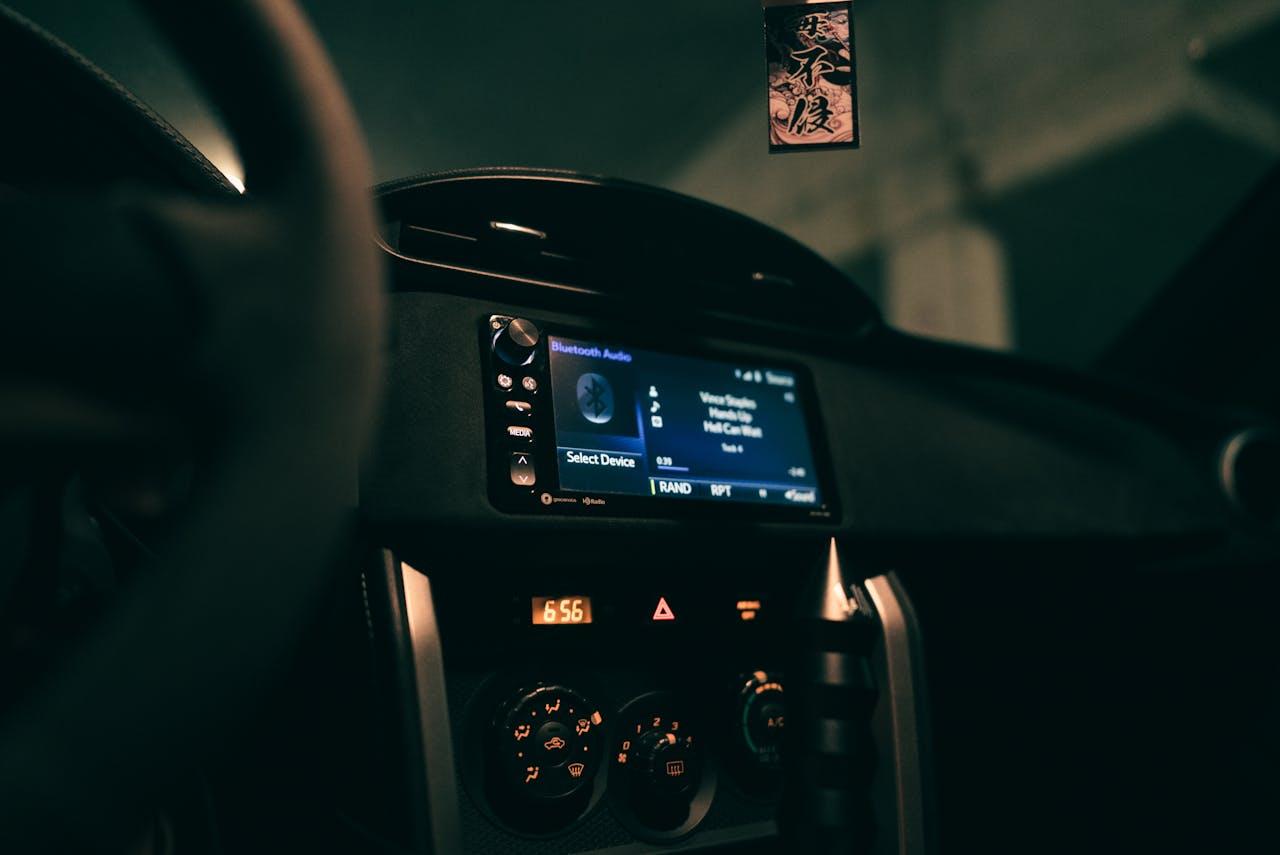
Upgrading your car's sound system can make every drive - your commute, a long road trip, or just a quick run to the store more enjoyable. With so many choices out there, it helps to know what really matters. This guide will show you the basics so you can choose the right car audio system with confidence.
Why Upgrade Your Car Audio?
Factory-installed speakers and head units often deliver average sound at best. They're designed to keep costs down, not to impress audiophiles. A good aftermarket system gives you clearer highs, deeper bass, and more balanced sound overall. You'll hear details in your favorite songs that you never noticed before.
Besides better sound, modern car audio systems come with features like Bluetooth, smartphone integration, navigation, and voice control. These upgrades make driving safer and more convenient.
Know Your Budget
Before you start shopping, decide how much you're willing to spend. Car audio systems range from under $100 for basic speaker replacements to several thousand dollars for full custom installations.
Here's a rough breakdown:
- $100-$300: Basic speaker upgrades or a new head unit.
- $300-$800: Better speakers, a subwoofer, and maybe an amplifier.
- $800-$2,000+: Full system with premium components, custom enclosures, and professional installation.
Remember, you don't need to replace everything at once. Start with the head unit or speakers, then add other parts later.
Understand the Main Components
A car audio system has four main parts: the head unit, speakers, amplifier, and subwoofer. Each plays a specific role in delivering great sound.
Head Unit (The Brain)
The head unit is your car's main control center. It's where you select music sources, adjust volume, and control sound settings. Older cars might still use CD players, but most modern head units support USB, Bluetooth, Apple CarPlay, and Android Auto.
When choosing a head unit, consider:
- Screen size and resolution
- Compatibility with your phone
- Sound processing features (like equalizers or time alignment)
- Whether it fits your car's dash (double-DIN or single-DIN size)
Some head units even include built-in navigation or backup camera inputs. Make sure the model you pick works with your vehicle's wiring harness to avoid complicated installations.
Speakers (Where Sound Comes From)
Speakers turn electrical signals into sound you can hear. Most cars have multiple speakers-usually in the front doors, rear doors, and sometimes in the dash or rear deck.
There are two common types:
- Coaxial speakers: These combine a tweeter (for high frequencies) and a woofer (for mid and low frequencies) in one unit. They're affordable and easy to install.
- Component speakers: These separate the tweeter and woofer, allowing better placement and clearer sound. They cost more and require more installation work.
Look for speakers with a sensitivity rating above 88 dB-they'll play louder with less power. Also check the power handling (RMS rating), not the peak power, which is often inflated.
Amplifier (The Power Boost)
An amplifier takes the weak signal from your head unit and boosts it so your speakers can play louder and cleaner. Without enough power, even great speakers will sound flat or distorted.
You don't always need an amp if you're only replacing factory speakers with efficient aftermarket ones. But if you add a subwoofer or high-performance speakers, an amplifier becomes essential.
Amplifiers come in different channel configurations:
- 2-channel: Good for powering front or rear speakers.
- 4-channel: Can power all four door speakers.
- Monoblock (1-channel): Designed just for subwoofers.
- 5+ channel: Powers full speaker sets plus a subwoofer.
Match the amp's RMS output to your speakers' RMS power handling. Too much power can blow them out; too little causes distortion.
Subwoofer (For Deep Bass)
If you enjoy music with strong bass-like hip-hop, EDM, or rock-a subwoofer adds depth and punch that regular speakers can't deliver. Subwoofers handle low frequencies below 80-100 Hz.
They come in two main forms:
- Enclosed subs: Pre-mounted in a box, ready to install.
- Bare subs: Just the driver-you'll need to build or buy an enclosure.
Enclosure type matters. Sealed boxes give tight, accurate bass. Ported (vented) boxes produce louder, deeper bass but take up more space. Choose based on your trunk size and music taste.
Check Compatibility Before Buying
Not every part fits every car. Before you order anything, confirm compatibility with your specific vehicle make, model, and year.
Use online fitment guides from retailers like Crutchfield or manufacturer websites. They'll tell you:
- Which head units fit your dash
- What speaker sizes your doors accept
- If you need special adapters or wiring harnesses
Skipping this step can lead to returns, extra costs, or installation headaches.
Decide: DIY or Professional Installation?
Replacing speakers or adding a basic head unit is doable for most people with basic tools and a few hours. YouTube tutorials and online forums offer step-by-step help.
But complex jobs-like running amplifier power cables, mounting sub enclosures, or integrating with factory systems-are best left to professionals. A bad installation can damage your car's electrical system or void warranties.
If you go the DIY route, gather these essentials:
- Trim removal tools (to avoid scratching panels)
- Wire strippers and crimpers
- Electrical tape or heat-shrink tubing
- A multimeter (for checking connections)
Take your time. Rushing leads to mistakes.
Don't Forget Sound Deadening
Many people overlook this, but sound deadening material makes a big difference. It reduces road noise, vibrations, and rattles that muddy your music.
Apply it to door panels, floorboards, and trunk walls before installing speakers or subs. Popular brands include Dynamat and Noico. Even a small amount in the doors improves clarity noticeably.
Tuning Your System
Once everything is installed, spend time tuning your system. Most head units have built-in equalizers or crossover settings.
Start with these steps:
- Set all tone controls to flat (neutral)
- Adjust the crossover to send high frequencies to tweeters and lows to woofers
- Use the fader to balance front/rear volume
- Set subwoofer level so bass blends smoothly-not overpowering
Play familiar songs across different genres to test balance. Make small adjustments until it sounds natural to your ears.
Avoid Common Mistakes
Even experienced buyers make these errors:
- Buying based on peak power: Always check RMS ratings-they reflect real-world performance.
- Ignoring speaker placement: Tweeters should aim toward your ears for best clarity.
- Overloading the electrical system: High-power amps may need a capacitor or upgraded alternator.
- Skipping grounding: Poor ground connections cause noise, hum, or system failure.
Take notes during installation. Label wires. Double-check connections. These habits save hours of troubleshooting later.
Where to Buy
You have several options:
- Online retailers: Offer the widest selection and best prices (e.g., Crutchfield, Amazon, Parts Express).
- Local car audio shops: Provide expert advice, demos, and installation services.
- Big-box stores: Convenient but limited selection and support.
Read customer reviews, especially about long-term reliability. A cheap component that fails in six months isn't a bargain.
Final Tips
Great car audio isn't just about expensive gear-it's about smart choices and proper setup.
- Start small. Upgrade one part at a time.
- Match components. Don't pair a $500 amp with $50 speakers.
- Listen before you buy if possible. Sound preference is personal.
- Keep your car clean. Dust and moisture harm electronics over time.
Your ears are the final judge. If it sounds good to you, it is good.
Frequently Asked Questions (FAQ)
Do I need an amplifier for new speakers?
Not always. If your new speakers are efficient (high sensitivity) and you're not pushing volume extremes, your head unit might be enough. But an amp will always improve clarity and dynamics.
Can I keep my factory steering wheel controls?
Yes, in most cases. You'll need a special adapter module that connects your new head unit to the factory wiring. Many retailers include this for free or at low cost.
How long does installation take?
A basic speaker swap: 1-2 hours. Head unit replacement: 1-3 hours. Full system with amp and sub: 4-8 hours or more, depending on complexity.
Will upgrading my audio void my car warranty?
Generally, no-unless the installation causes damage to other systems. Federal law (in the U.S.) protects consumers who install aftermarket parts. Still, check your warranty terms.
What's the difference between RMS and peak power?
RMS (Root Mean Square) shows continuous, sustainable power. Peak power is a short burst-often double the RMS-but not useful for real performance. Always compare RMS ratings.
Can I install a subwoofer without an amp?
Only if it's a powered (active) subwoofer with a built-in amplifier. Passive subs require an external amp to work.


