




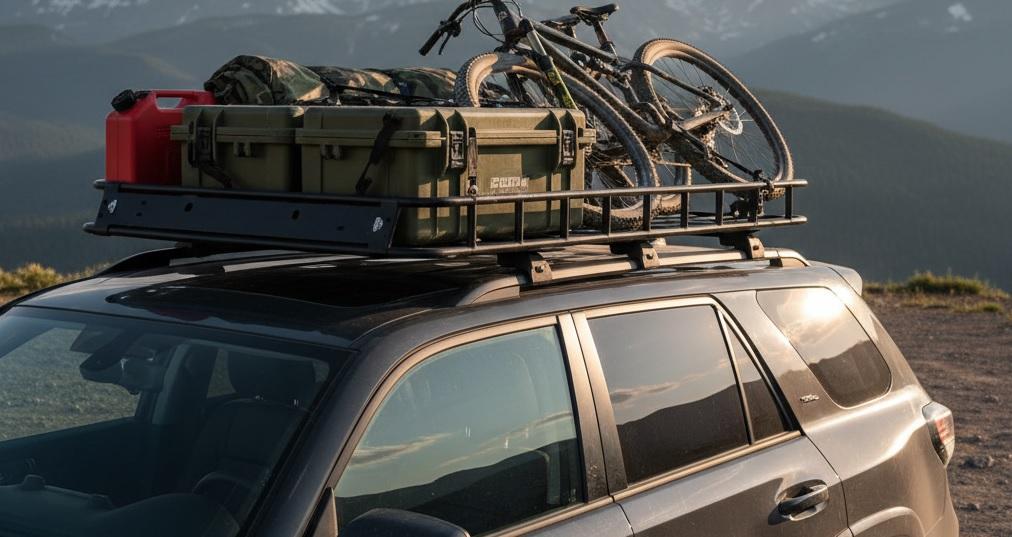
Adding a roof rack to your car gives you more freedom. You can carry bikes, skis, kayaks, or just extra luggage for a road trip with ease. This guide walks you through everything step by step so you can choose a roof rack that works with your car, your gear, and your budget.
Why You Might Need a Roof Rack
Most cars today don't come with built-in roof rails or crossbars. Even if yours does, it might not be strong enough or shaped right for what you want to carry. A roof rack solves that problem. It gives you a secure, stable platform on top of your vehicle where you can attach all kinds of carriers and accessories.
You might need a roof rack if you:
- Go camping and need to carry tents, coolers, or extra gear
- Ride bikes and want to transport them without taking them apart
- Live near the mountains and ski or snowboard in winter
- Own a kayak, canoe, or paddleboard
- Travel often and run out of space inside your car
A roof rack doesn't just add space-it keeps your car's interior clean and organized. Plus, it can actually improve your driving experience by letting you pack smarter.
Know Your Car First
Before you even look at roof racks, you need to understand your car's roof setup. There are four common types of roof styles, and each one needs a different kind of rack.
1. Bare Roof (No Factory Rails)
Many sedans, hatchbacks, and older cars have completely smooth roofs with no rails or mounting points. If that's your car, you'll need a "clip-on" or "fit kit" system. These racks use special clips that tuck into the door frame or under the roof edge. They don't require drilling and won't damage your paint.
2. Fixed-Point Roof
Some newer cars have small, hidden mounting points built into the roof. You usually can't see them unless you lift up little plastic covers. These points are strong and designed for roof racks. You'll need a fit kit that matches your car's make and model to connect the rack securely.
3. Raised Side Rails
You'll see these on many SUVs and minivans. They're long metal or plastic bars that run front to back along the sides of the roof. They look like handles but aren't meant for holding. To use them, you need crossbars that clamp or bolt onto the rails. The rails themselves aren't strong enough to hold gear directly.
4. Flush-Mounted Factory Rails
These are sleek, low-profile rails that sit flush with the roof. They're common on luxury SUVs and crossovers. Like raised rails, they need crossbars-but the mounting system is different. Make sure any rack you buy is compatible with this style.
Check your owner's manual or look up your car online to find out which type you have. Getting this wrong means your rack won't fit-or worse, it could come loose while you're driving.
Types of Roof Racks
Not all roof racks are the same. The three main types are roof bars, roof baskets, and complete roof rack systems. Each serves a different purpose.
Roof Bars (Crossbars)
These are the most basic and versatile option. Two metal or aluminum bars run across your roof, perpendicular to the direction of travel. You attach gear directly to them or add accessories like bike mounts or ski carriers. Most people start with crossbars because they're lightweight, affordable, and work with almost everything.
Roof Baskets
A roof basket is like a metal tray that sits on top of your crossbars. It gives you an open platform to toss in bags, coolers, or camping gear without needing special straps or mounts. Baskets are great for irregularly shaped items but add more weight and wind resistance than bare bars.
Complete Roof Rack Systems
These include everything: feet, crossbars, and sometimes even locks and accessories. Brands like Thule, Yakima, and Rhino-Rack sell full kits designed for specific vehicles. They cost more upfront but save time and guesswork. If you're not handy or don't want to research parts separately, a complete system is worth the extra money.
Key Features to Consider
Once you know your car type and rack style, pay attention to these details. They affect how well your rack works and how long it lasts.
Weight Capacity
Every roof rack has a maximum weight limit. But here's the catch: your car's roof also has its own limit, usually listed in the owner's manual. The lower of the two numbers is your real limit. Don't ignore this. Overloading your roof can damage your car's frame or make it unsafe to drive.
Material and Build Quality
Aluminum racks are lighter and resist rust better than steel. Steel is stronger but heavier and can corrode over time if not coated well. Look for racks with powder-coated finishes-they hold up better against weather and scratches.
Noise and Aerodynamics
Flat crossbars create more wind noise and drag than aerodynamic ones. If you drive long distances or care about fuel economy, choose bars with a teardrop or wing shape. Some brands even sell "wind fairings"-small plastic shields that attach to the front bar to cut down on noise.
Security
p>Leaving expensive gear on your roof means someone could steal it. Many racks come with locking cores that secure both the rack to your car and your gear to the rack. Always check if locks are included or sold separately.
Ease of Installation
Most modern roof racks don't require tools or drilling. But some still need a wrench or Allen key. Read reviews to see how long installation takes and whether people found it confusing. If you're not comfortable working on your car, pick a brand known for simple setup.
Accessories That Make Life Easier
A roof rack is just the foundation. What you really need depends on what you carry. Here are the most useful add-ons:
- Bike mounts: Hold bikes upright or hang them by the frame. Choose one that fits your bike type (road, mountain, e-bike).
- Ski and snowboard carriers: Keep your boards secure and prevent them from sliding around.
- Kayak cradles or J-hooks: Support your kayak on its side or flat, depending on the design.
- Rooftop cargo boxes: Lockable, weatherproof containers that fit over crossbars. Great for luggage or gear you don't want exposed.
- Load stops and tie-down straps: Simple but essential for keeping loose items from shifting.
You don't need to buy everything at once. Start with the rack and add accessories as your needs change.
Top Brands to Consider
Not all roof racks are created equal. Stick with trusted brands that test their products and offer good customer support.
- Thule: Known for quality, quiet operation, and wide vehicle compatibility. Their products cost more but last longer.
- Yakima: Offers great value with solid performance. Their "SkyLine" and "ControlTower" systems are popular for good reason.
- Rhino-Rack: Australian brand with rugged, heavy-duty options. Ideal if you carry large or heavy loads regularly.
- INNO: Budget-friendly without cutting too many corners. Good for occasional use.
Always double-check that the model you pick lists your exact car year, make, and model in its fit guide. Even small changes in car design can affect compatibility.
Installation Tips
Putting on a roof rack isn't hard, but doing it right matters. Follow these tips:
- Clean the roof and door frames before installing clips or pads. Dirt can scratch paint or cause slippage.
- Tighten all bolts to the torque spec listed in the instructions. Too loose = wobbling. Too tight = damage to your car.
- Test the rack before loading it. Give it a firm shake. If anything moves, recheck your setup.
- Re-tighten bolts after your first 50-100 miles. Vibration can loosen them slightly during initial use.
If you're unsure, many auto shops or outdoor stores offer professional installation for a small fee. It's worth it for peace of mind.
Maintenance and Care
A roof rack can last for years if you take care of it. Here's how:
- Rinse it with fresh water after driving near the ocean or in winter (road salt is tough on metal).
- Check bolts and clamps every few months for tightness and rust.
- Remove the rack when you're not using it for long periods. This reduces wind noise, improves fuel economy, and prevents theft.
- Store crossbars indoors during harsh weather if possible.
Don't forget to clean the roof area underneath the rack occasionally. Dirt and moisture can get trapped and cause paint damage over time.
Important Checklist
Before you click "add to cart," run through this list:
- Does it fit my exact car model and year?
- Is the weight capacity enough for my gear plus the rack itself?
- Are locks included or available as an add-on?
- Is it made from rust-resistant materials?
- Do customer reviews mention easy installation and low noise?
- Does the brand offer a warranty (most good ones offer at least a lifetime warranty on bars)?
Taking five minutes to answer these questions can save you hours of frustration later.
Frequently Asked Questions (FAQ)
Can I install a roof rack myself?
Yes, most modern roof racks are designed for DIY installation. You'll usually need basic tools like an Allen key or wrench. Follow the instructions carefully, and don't rush the process.
Will a roof rack hurt my gas mileage?
It can. Even an empty rack creates drag. Aerodynamic bars reduce this effect, but for best fuel economy, remove the rack when you're not using it.
How much weight can I really put on my roof?
Check your car's manual first. Most passenger vehicles allow 100-165 pounds on the roof, including the rack and gear. Never exceed this limit-it's a safety issue, not just a recommendation.
Do I need crossbars if my car has factory rails?
Yes. Factory rails run front to back and aren't meant to hold weight directly. You always need crossbars (side to side) to mount gear safely.
Can I leave my roof rack on all year?
You can, but it's better to remove it during off-seasons. This protects the rack from weather, reduces wind noise, and saves fuel. If you use it often, at least clean and inspect it regularly.
Are cheap roof racks safe?
Some are, but many budget racks cut corners on materials or design. Stick with reputable brands-even their entry-level models meet safety standards. Your gear (and your safety) isn't worth the risk of a $50 no-name rack.
Choosing the right roof rack doesn't have to be complicated. Know your car, know your needs, and pick a system that balances quality, ease of use, and value. With the right setup, you'll wonder how you ever traveled without it.


