




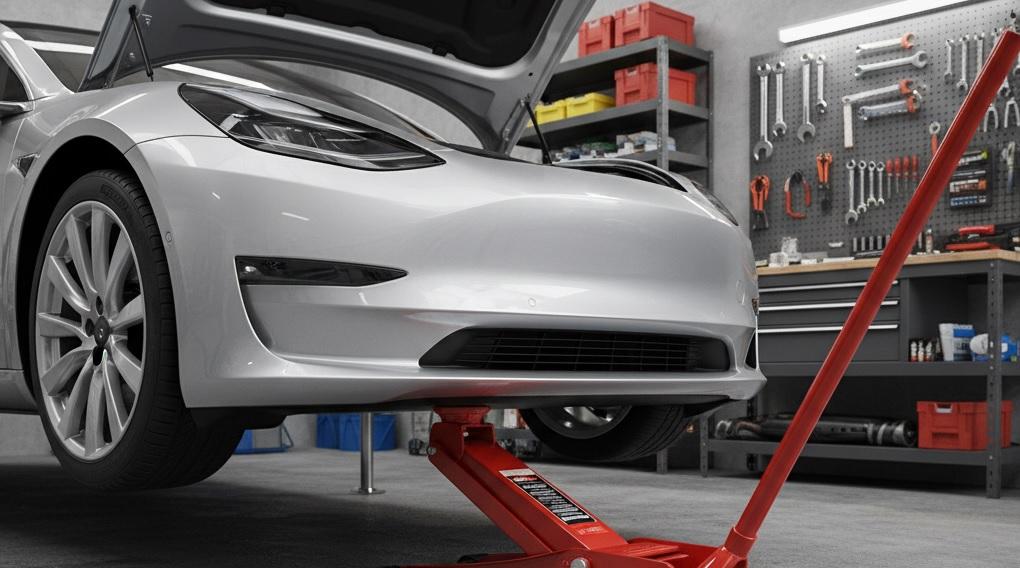
If you've ever had a flat tire on the side of the road, you know how important a reliable car jack is. A good jack lets you lift your car safely, quickly, and without causing damage. With so many types available, choosing the right one can be tricky. This guide will show you everything you need to know to find the best car jack.
Why You Need a Car Jack
Most cars come with a basic jack in the trunk, but that doesn't mean it's the best option. Factory jacks are often lightweight and designed only for emergencies. If you plan to do regular maintenance like oil changes, brake work, or tire rotations, you'll want something sturdier and more reliable.
A proper jack gives you peace of mind. Whether you're changing a tire in your driveway or helping a friend on the highway, the right tool makes the job easier and safer.
Types of Car Jacks
Not all jacks are created equal. Each type has strengths and weaknesses. Understanding the differences will help you choose the one that fits your situation.
Scissor Jacks
Scissor jacks are the most common type included with new cars. They're compact, lightweight, and easy to store. You operate them by turning a handle that moves the scissor arms closer together or farther apart.
- Pros: Small size, low cost, simple to use.
- Cons: Slow to operate, limited lifting height, not ideal for heavy vehicles.
Best for: Occasional use, emergency tire changes, compact and midsize cars.
Hydraulic Floor Jacks
Hydraulic floor jacks use fluid pressure to lift heavy loads with minimal effort. They roll on wheels and have a low profile, making them perfect for getting under most cars.
- Pros: Fast lifting, smooth operation, handles heavy weight easily.
- Cons: Bulky, not portable, requires storage space.
Best for: Home garages, frequent DIY repairs, trucks and SUVs.
Bottle Jacks
Bottle jacks are tall, narrow hydraulic jacks shaped like a bottle. They lift straight up and are great when you need extra height.
- Pros: High lifting range, strong for their size, affordable.
- Cons: Less stable than floor jacks, narrow base can tip.
Best for: Lifting tall vehicles like lifted trucks or older cars with high ground clearance.
Electric and Power Jacks
These jacks run on your car's 12-volt outlet or a built-in battery. With the push of a button, they lift your car automatically.
- Pros: Very easy to use, no physical effort required.
- Cons: Expensive, slower than hydraulic jacks, may fail if battery is low.
Best for: People with limited strength, frequent roadside use, or those who want maximum convenience.
Key Features to Consider
Before you buy, check these important details. They'll help you avoid mistakes and get a jack that lasts.
Lifting Capacity
Every jack has a maximum weight it can safely lift. Never exceed this limit. Check your vehicle's weight-usually listed in the owner's manual or on a sticker inside the driver's door.
As a rule, choose a jack with a capacity at least 1.5 times your car's weight. For example, if your car weighs 3,000 pounds, go for a jack rated for 4,500 pounds or more.
Lift Height Range
The jack must lift your car high enough to remove the wheel or access the undercarriage. Measure the distance from the ground to your car's jack point. Then check the jack's minimum and maximum height.
If the jack is too tall when fully lowered, it won't fit under your car. If it doesn't lift high enough, you won't get the clearance you need.
Build Quality and Materials
Look for jacks made from hardened steel or aluminum alloys. Cheap plastic parts or thin metal can bend or break under pressure. A solid build means better safety and longer life.
Also check the saddle-the part that touches your car. It should be wide enough to support the frame without slipping.
Portability
If you plan to keep the jack in your trunk, size and weight matter. Scissor and bottle jacks are easier to carry. Floor jacks are heavier and take up more room.
Some jacks come with carrying cases or built-in handles. These small features make a big difference when you're on the move.
Safety Features
Never rely on a jack alone to hold your car while you work underneath. Always use jack stands. That said, some jacks include extra safety elements like overload valves, non-slip bases, or rubber padding to protect your vehicle's paint.
How to Use a Car Jack Safely
Even the best jack can be dangerous if used wrong. Follow these steps every time:
- Park on a flat, level surface. Never jack up a car on a slope.
- Turn off the engine and put the car in park (or in gear if it's a manual).
- Apply the parking brake and block the wheels with bricks or wheel chocks.
- Locate the correct jack point. This is usually marked in your owner's manual or on the car's frame rail. Never jack up the car by the oil pan, suspension, or plastic body parts.
- Lift slowly and watch for any signs of slipping or instability.
- Once the car is raised, place jack stands under solid frame points before crawling underneath.
Remember: A jack is for lifting only. Jack stands are for holding. Never skip this step.
Top Mistakes to Avoid
People make the same errors over and over. Don't fall into these traps:
- Using the wrong jack for the vehicle. A tiny scissor jack won't safely lift a full-size pickup.
- Ignoring the weight rating. Overloading can cause sudden collapse.
- Skipping the owner's manual. Your car's jack points are specific-using the wrong spot can damage the frame.
- Working under a car supported only by a jack. This is extremely dangerous and never worth the risk.
- Storing a dirty or rusty jack. Clean and lubricate your jack after each use to keep it working smoothly.
Maintenance Tips for Long Life
Taking care of your jack ensures it works when you need it most.
- Wipe it down after use, especially if exposed to rain or road salt.
- For hydraulic jacks, check the fluid level once a year and top it off if needed.
- Store it in a dry place to prevent rust.
- Test it occasionally in your driveway so you're familiar with how it works before an emergency happens.
Final Tips
Think about how often you'll use the jack and where. If you only change tires once a year, a basic scissor jack might be enough. But if you tinker with your car every weekend, invest in a quality floor jack and a pair of sturdy stands.
Read real customer reviews-not just the star rating, but the comments. Look for mentions of durability, ease of use, and how the jack performed over time.
Also consider buying a jack and stands as a set. Many brands offer matching kits that are tested to work together safely.
Price matters, but safety matters more. Don't choose the cheapest option if it lacks key features or has poor reviews. A good jack is a one-time purchase that can last decades.
FAQ
Can I use a jack on gravel or dirt?
It's risky. Soft ground can shift under load. If you must, place a thick wooden board or metal plate under the jack base to spread the weight.
How often should I replace my car jack?
If it's well maintained, a quality jack can last 10 years or more. Replace it if you see cracks, rust, fluid leaks (for hydraulic models), or if it feels unstable during use.
Do I need two jacks?
Usually not. One jack is enough for most jobs. But if you're lifting both front or rear wheels at once, you'll need either a long-reach jack or two separate jacks plus stands.
What's the difference between a jack and jack stands?
A jack lifts the car. Jack stands hold it in place. You should never rely on the jack alone to support weight while you're working underneath.
Can I use my car's factory jack for regular maintenance?
It's not recommended. Factory jacks are meant for emergencies only. They're not built for repeated use or heavy loads over time.


