




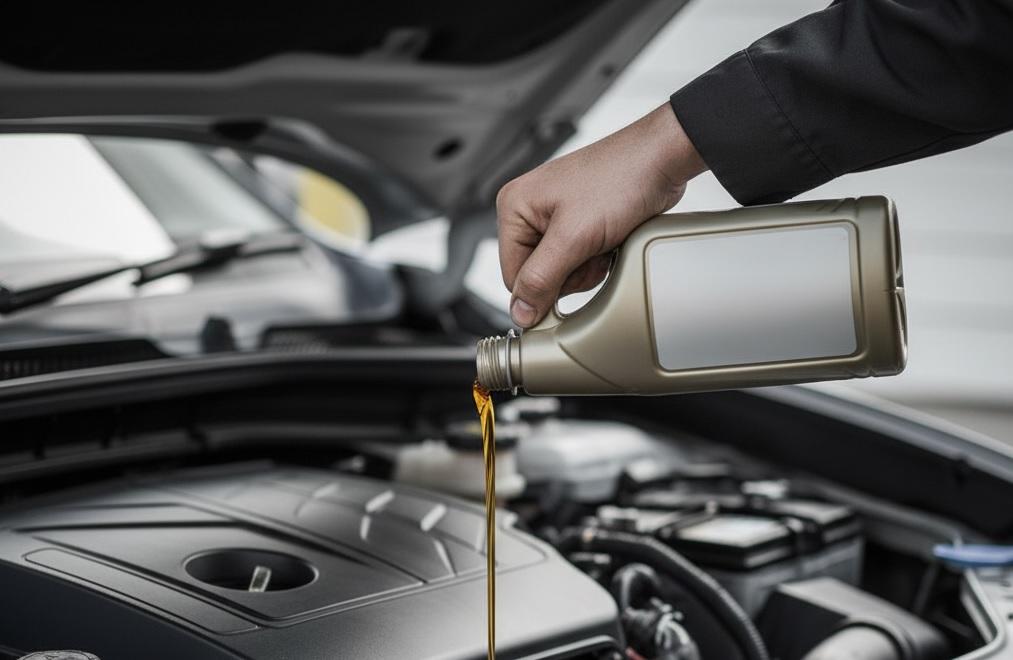
Choosing the right motor oil might seem simple, but it can make a big difference in how your car runs and how long your engine lasts. With so many options on the shelf-different types, viscosities, brands-it's easy to feel overwhelmed. This guide walks you through everything you need to know to pick the best oil for your vehicle without the confusion.
Why Motor Oil Matters
Motor oil keeps your engine running smoothly. It reduces friction between moving parts, helps cool the engine, cleans sludge and dirt, and prevents rust. Without enough clean oil, your engine can overheat, wear out faster, or even break down completely.
You don't need to be a mechanic to understand oil basics. All you need is a little knowledge and your vehicle's owner's manual. That manual tells you exactly what kind of oil your car needs. Always start there.
Types of Motor Oil
There are four main types of motor oil. Each has its own strengths and best uses.
Conventional Oil
Conventional oil is the most basic type. It's made from refined crude oil and works well for older cars or vehicles with simple engines. If you drive a standard sedan and stick to regular oil changes, conventional oil might be all you need.
It's usually the cheapest option, but it doesn't last as long as other types. You'll need to change it more often-typically every 3,000 to 5,000 miles.
Synthetic Oil
Synthetic oil is engineered in a lab. It's designed to perform better in extreme temperatures and offer stronger protection against engine wear. Most new cars today come filled with synthetic oil from the factory.
This oil flows better in cold weather and stays stable in high heat. It also resists sludge buildup better than conventional oil. While it costs more upfront, it lasts longer-often up to 7,500 or even 10,000 miles between changes.
Synthetic Blend
Synthetic blend oil mixes conventional and synthetic oils. It gives you some of the benefits of full synthetic at a lower price. This type works well for drivers who put extra stress on their engines-like towing trailers or driving in stop-and-go traffic.
It's a good middle ground if you want better performance than conventional oil but aren't ready to pay for full synthetic.
High-Mileage Oil
If your car has over 75,000 miles on it, high-mileage oil could be the right choice. This oil contains special additives that help seal small leaks, reduce oil burn-off, and protect older engine parts.
It's available in both conventional and synthetic formulas. Don't wait until your engine starts burning oil-switching early can help extend your engine's life.
Understanding Oil Viscosity
Viscosity refers to how thick or thin the oil is. You've probably seen numbers like 5W-30 or 10W-40 on oil bottles. These aren't random-they tell you how the oil behaves at different temperatures.
The first number (before the "W") shows how the oil flows in cold weather. The "W" stands for winter. A lower number means the oil flows better when it's cold, which helps your engine start faster on chilly mornings.
The second number shows how thick the oil stays when the engine is hot. A higher number means the oil remains thicker at high temperatures, which provides better protection under heavy loads or in hot climates.
For example:
- 0W-20 - Very thin when cold, stays thin when hot. Common in newer fuel-efficient cars.
- 5W-30 - Good all-around choice for most climates and vehicles.
- 10W-40 - Thicker in cold weather, better for older engines or hot regions.
- 20W-50 - Very thick, often used in classic cars or high-performance engines.
Your owner's manual lists the correct viscosity for your engine. Using the wrong one can cause poor performance, higher fuel use, or even engine damage.
How Often Should You Change Your Oil?
Oil change intervals depend on the type of oil you use and how you drive.
If you use conventional oil, plan for a change every 3,000 to 5,000 miles. With synthetic oil, you might go 7,500 to 10,000 miles-or even more if your car has an oil life monitor.
But mileage isn't the only factor. Consider your driving habits:
- Do you frequently drive short distances? Short trips don't let the engine warm up enough to burn off moisture, which can lead to sludge.
- Do you tow heavy loads or drive in dusty areas? Extra stress means more frequent changes.
- Do you live in extreme heat or cold? Temperature extremes break down oil faster.
When in doubt, check your oil level and condition monthly. If it looks dark, gritty, or smells burnt, it's time for a change-even if you haven't hit the mileage mark.
What to Look for on the Oil Bottle
Not all oil bottles are created equal. Before you buy, check these key details:
API Certification
Look for the API (American Petroleum Institute) donut symbol on the label. This means the oil meets current industry standards. The latest standard for gasoline engines is "SP." Older standards like "SN" still work but aren't as advanced.
ILSAC Starburst
The ILSAC (International Lubricant Standardization and Approval Committee) starburst logo shows the oil meets fuel economy and emission requirements. If your car is newer, this symbol matters more.
Manufacturer Approvals
Some carmakers-like BMW, Mercedes, or Toyota-require oils that meet their own specific standards. These are usually listed on the back of the bottle. If your manual says "meets BMW LL-01," make sure the oil you pick actually does.
Common Mistakes to Avoid
Even experienced drivers make oil-related mistakes. Here are a few to watch out for:
- Using the wrong viscosity. Just because your neighbor uses 10W-40 doesn't mean your car needs it.
- Switching oil types without reason. Going from synthetic to conventional won't hurt your engine, but it might reduce protection. Stick with what your manual recommends.
- Ignoring oil level checks. Low oil can cause serious damage-even with the best oil in the world.
- Buying cheap oil from unknown brands. Low-cost oil might save a few dollars now but cost you hundreds in repairs later.
Can You Mix Different Oils?
In a pinch, yes-you can mix different brands or types of oil. But it's not ideal. Mixing synthetic and conventional oil dilutes the benefits of synthetic. Mixing different viscosities can give you an oil that doesn't protect your engine properly.
If you're low on oil and need to top off, use the same type and viscosity you already have. Save the full change for when you can do it right.
Final Tips for Buying Motor Oil
Here's a quick checklist before you head to the store:
- Check your owner's manual for the recommended oil type and viscosity.
- Consider your driving habits and climate.
- Look for API and ILSAC certifications.
- Don't choose oil based only on price-quality matters.
- Buy from trusted retailers or auto parts stores.
- Keep your receipts in case of warranty issues.
Remember, motor oil is one of the cheapest and easiest ways to protect your engine. Spending a little more on the right oil today can save you from expensive repairs tomorrow.
Frequently Asked Questions (FAQ)
Can I use synthetic oil in an older car?
Yes. Modern synthetic oils are safe for older engines. In fact, they can offer better protection than conventional oil. Just make sure the viscosity matches your engine's needs.
Does thicker oil mean better protection?
Not always. Using oil that's too thick can reduce fuel economy and make cold starts harder. Always follow your manufacturer's recommendation.
How do I know if my oil needs changing?
Check the color and texture. Fresh oil is amber and smooth. Old oil is dark, gritty, or smells burnt. Also, listen for engine noise-knocking or ticking can mean low or dirty oil.
Is it okay to go past the recommended oil change interval?
It's risky. Over time, oil breaks down and loses its ability to protect your engine. If you drive gently and use synthetic oil, you might stretch it a bit-but don't make it a habit.
What's the difference between diesel and gasoline engine oil?
Diesel oils contain more additives to handle soot and higher pressure. Never use diesel oil in a gasoline engine unless the label says it's approved for both.


