




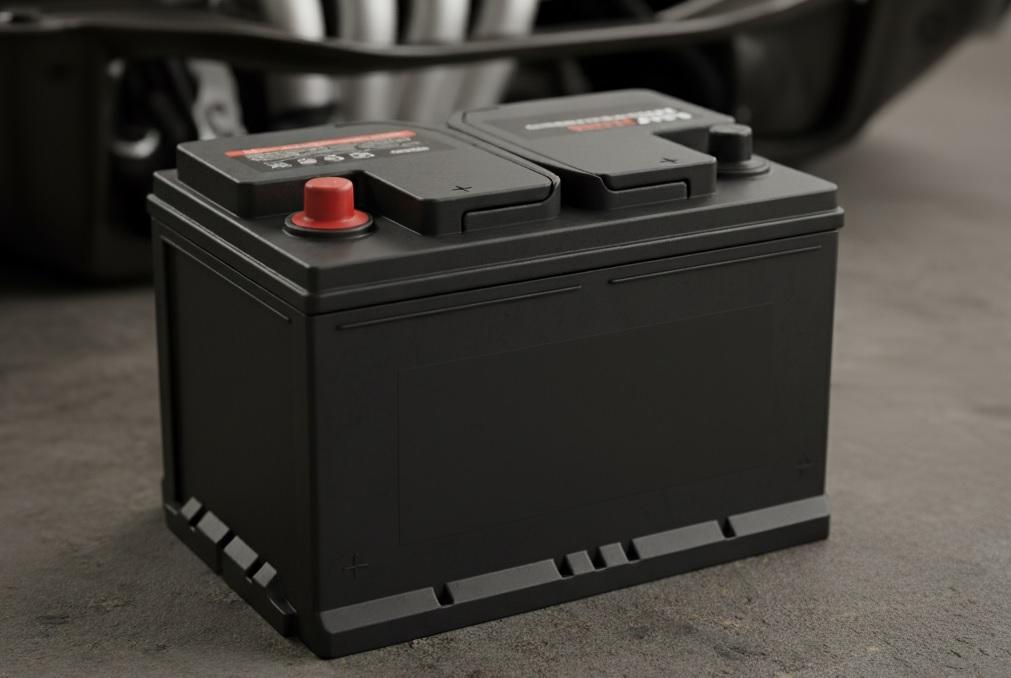
Your car battery does more than start the engine. It powers your lights, radio, air conditioning, and all the electronics that keep your car running smoothly. Without a healthy battery, even the best-engineered vehicle won't move an inch. Think of it as the heart of your car's electrical system - when it fails, everything stops.
Most car batteries last between three and five years. But heat, cold, short trips, and leaving lights on can shorten that life. If your car struggles to start, especially in cold weather, or your dashboard battery light comes on, it's probably time for a replacement.
Know Your Battery Type
Not all car batteries are the same. The type you need depends on your vehicle, how you drive, and where you live. Here are the main types you'll see at auto parts stores:
Flooded Lead-Acid (Wet Cell)
This is the most common and affordable type. It uses liquid electrolyte and requires occasional maintenance, like checking fluid levels. These batteries work well for standard gasoline-powered cars driven regularly. They're reliable but can leak if tipped over and don't handle deep discharges well.
AGM (Absorbent Glass Mat)
AGM batteries are sealed, spill-proof, and maintenance-free. They use a fiberglass mat to hold the electrolyte, which makes them more durable and better at handling repeated charging and discharging. If your car has start-stop technology, advanced electronics, or you use a lot of accessories (like dash cams or inverters), an AGM battery is a better fit.
Gel Cell
Gel batteries use a thick gel instead of liquid. They're great for deep-cycle use-like in RVs or boats-but they're not ideal for most everyday cars. They're also more sensitive to overcharging and usually cost more than AGM or flooded types.
Check Your Vehicle's Requirements
Before you buy anything, open your owner's manual or check the label on your current battery. You need to match three key specs:
- Group Size - This tells you the battery's physical dimensions and terminal placement. A wrong size won't fit in the tray or connect properly.
- Cold Cranking Amps (CCA) - This measures how well the battery starts in cold weather. If you live in a cold climate, you need a higher CCA (usually 600 or more).
- Reserve Capacity (RC) - This shows how long the battery can power your car if the alternator fails. A higher RC gives you more time to get help.
Don't guess. Using the wrong battery can cause poor performance or even damage your car's electrical system.
Consider Your Driving Habits
Your lifestyle affects which battery works best for you.
If you take short trips every day-like driving to the store or school-the battery never fully recharges. In that case, a battery with higher reserve capacity or AGM technology helps prevent early failure.
If you live in a hot climate, heat speeds up battery corrosion. Look for models with heat-resistant cases or better internal construction.
If you park outside in freezing temperatures, CCA becomes critical. A battery rated for 700 CCA will start your car much easier at 0°F than one rated for 500 CCA.
Also, if your car has lots of electronics-navigation, heated seats, premium sound-you're drawing more power even when the engine is off. AGM batteries handle these loads better than standard flooded types.
Brand and Warranty Matter
You don't have to buy the most expensive battery, but avoid the cheapest no-name brands. Stick with trusted names like Optima, DieHard, ACDelco, Odyssey, or EverStart. These companies test their products and stand behind them.
Check the warranty. A good car battery should come with at least a 2- to 3-year free replacement period. Some premium AGM batteries offer 4 or even 5 years. The warranty shows how confident the manufacturer is in their product.
Also, ask about prorated coverage. After the free replacement period ends, you might still get partial credit toward a new battery if it fails early.
Where to Buy
You can buy car batteries at auto parts stores, big-box retailers, or even online. But consider these points:
- In-store purchase often includes free installation and old battery recycling.
- Online prices might look lower, but add shipping and you might pay more. Plus, you'll need to install it yourself.
- Local mechanics can install it correctly and test your charging system at the same time.
Many stores will test your old battery for free. If it's still good, you might not need a replacement yet. Always get that test before buying.
Installation Tips
If you install the battery yourself, follow these safety steps:
- Turn off the engine and remove the key.
- Disconnect the negative (black) cable first, then the positive (red).
- Clean the terminals with a wire brush if they're corroded.
- Place the new battery in the tray and secure it tightly.
- Connect the positive cable first, then the negative.
- Coat the terminals with anti-corrosion spray or petroleum jelly.
Never reverse the cables. Doing so can fry your car's computer and cost hundreds in repairs.
If you're unsure, let a professional handle it. Most places charge little or nothing for installation when you buy the battery from them.
How to Make Your New Battery Last Longer
Once you've got a fresh battery, you can help it last its full lifespan with a few simple habits:
- Drive regularly. Short trips don't give the alternator enough time to recharge the battery fully. Try to take a 20-minute highway drive once a week.
- Turn off accessories. Lights, chargers, and stereos left on drain the battery even when the car is off.
- Keep terminals clean. Corrosion increases resistance and reduces performance.
- Check the charging system. If your alternator isn't working right, it can overcharge or undercharge the battery, killing it early.
- Park in a garage. Extreme temperatures-both hot and cold-shorten battery life.
A little care goes a long way. Most battery failures happen not because the battery is bad, but because of how it's used or maintained.
Signs You Need a New Battery
Don't wait for a total failure. Watch for these warning signs:
- Slow engine crank when starting
- Dashboard battery light stays on
- Swollen or bloated battery case
- Corrosion on terminals (white, ashy buildup)
- Electrical issues like dim headlights or glitchy infotainment
- Battery older than 4 years
If you notice any of these, get your battery tested right away. Many auto shops do it for free in under five minutes.
Recycling Your Old Battery
Car batteries contain lead and acid-both toxic and harmful to the environment. Never throw one in the trash.
When you buy a new battery, most retailers will take your old one for recycling at no cost. In fact, many states require it by law. You might even get a small core charge refund (usually $5-$15) when you return it.
Recycling recovers over 99% of the materials, which are used to make new batteries. It's one of the most successful recycling programs in the world-so do your part.
Checklist Before You Buy
Before you hand over your money, run through this quick list:
- Does it match my car's group size?
- Is the CCA rating high enough for my climate?
- Does it fit my driving style (short trips, lots of electronics, etc.)?
- Is it the right type (flooded, AGM, etc.) for my vehicle?
- Does it come with a solid warranty?
- Will the store install it and recycle my old one?
If you can answer "yes" to all these, you're ready to buy with confidence.
Frequently Asked Questions (FAQ)
How long does a car battery usually last?
Most car batteries last 3 to 5 years. Heat, frequent short trips, and poor maintenance can shorten that time.
Can I replace my car battery myself?
Yes, if you're comfortable with basic tools and follow safety steps. But if you're unsure, let a professional do it-especially on newer cars with sensitive electronics.
What's the difference between CCA and CA?
CCA (Cold Cranking Amps) measures power at 0°F. CA (Cranking Amps) measures at 32°F. CCA is more important in cold climates because it shows real-world starting ability.
Do I need an AGM battery for my regular car?
Not usually. Standard flooded batteries work fine for most older or basic vehicles. But if your car has start-stop tech, advanced safety features, or you use lots of power accessories, AGM is worth the extra cost.
Will a bigger battery hurt my car?
Only if it doesn't fit or has the wrong voltage. Never install a battery with a different voltage (like 6V instead of 12V). Physical size and terminal position must also match exactly.
How do I know if it's the battery or the alternator?
If the car starts but dies shortly after, the alternator might not be charging the battery. If it won't start at all (but the lights work), the battery is likely dead. A free test at an auto parts store can tell you for sure.


