




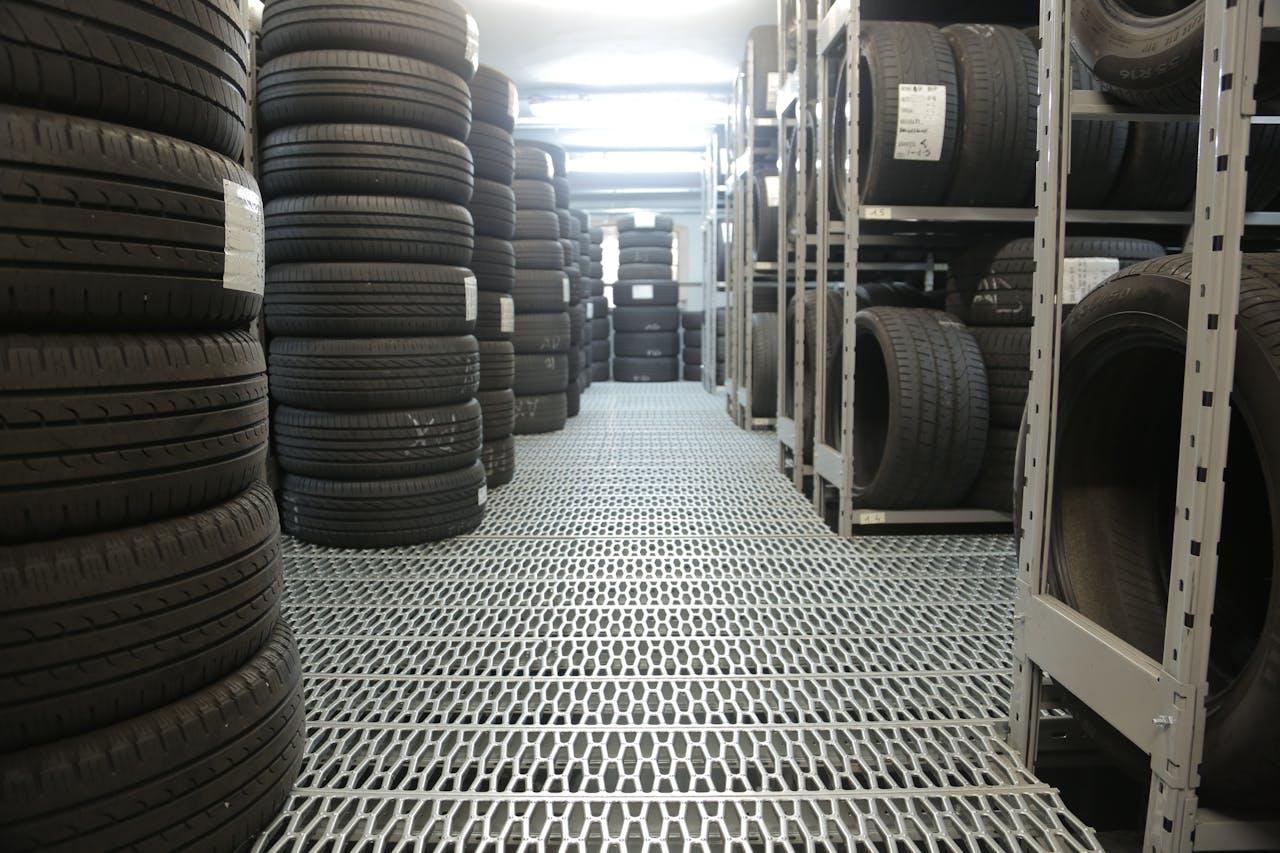
Good tires improve your safety, handling, fuel economy, and even how comfortable your ride feels. Bad tires? They can leave you stranded, increase your stopping distance, or wear out faster than expected. This guide explains everything you need to know before buying new tires, so you can make the right choice with confidence.
Why Your Tires Matter More Than You Think
Tires are the only part of your car that actually touches the road. Everything your car does-accelerating, braking, turning-depends on that small patch of rubber. If your tires are old, worn, or the wrong type for your driving conditions, your car won't perform as it should.
You might not notice small tire problems right away. But over time, bad tires lead to longer braking distances, poor grip in rain or snow, and even higher fuel costs. Investing in the right set saves money and keeps you safer.
Know Your Driving Needs First
Before you look at brands or prices, ask yourself a few simple questions:
- Where do you drive most often? (City streets, highways, rural roads?)
- What's the weather like where you live? (Hot summers, snowy winters, or mostly dry?)
- How many miles do you drive each year?
- Do you care more about comfort, performance, or long tread life?
Your answers will point you toward the best tire type for your situation. Don't just buy what your neighbor uses or what's on sale. Your car and your driving habits are unique.
Types of Tires Explained Simply
All-Season Tires
These are the most common tires in the U.S. They work well in mild winters, spring rains, and summer heat. All-season tires offer a good balance of performance, comfort, and tread life.
They're a smart choice if you live somewhere with moderate weather and don't face heavy snow or ice. Most new cars come with all-season tires from the factory.
Summer Tires
Summer tires are built for warm weather and dry or wet roads-not snow or ice. They have a softer rubber compound that grips better in heat, giving you sharper handling and shorter braking distances.
If you drive a sporty car or enjoy spirited driving on clear roads, summer tires might be worth it. Just remember: never use them in cold weather below 45°F (7°C). The rubber gets hard and loses grip.
Winter (Snow) Tires
Winter tires are made for cold temperatures, snow, and ice. Their rubber stays flexible in freezing weather, and they have deep grooves and special tread patterns to bite into snow.
If you get regular snowfall or icy roads, winter tires are a serious safety upgrade over all-seasons. Many drivers in northern states switch to winter tires each fall and go back to all-seasons in spring.
All-Weather Tires
All-weather tires are a newer option. They're like all-season tires but with better snow performance. They carry the "Three-Peak Mountain Snowflake" symbol, which means they meet official snow traction standards.
These are great if you want one set of tires year-round and face light to moderate winter conditions. They won't match true winter tires in deep snow, but they're far better than standard all-seasons when it's cold.
Performance and Touring Tires
Performance tires focus on grip, cornering, and speed. They're common on sports cars and luxury sedans. Touring tires prioritize a smooth, quiet ride and long tread life-ideal for daily commuters.
Check your car's manual or door jamb sticker to see what type the manufacturer recommends. Sticking close to that suggestion usually gives the best results.
Read the Sidewall: What Those Numbers Mean
Every tire has a code printed on its sidewall, like "P215/65R15 95H." It looks confusing, but it's actually simple once you break it down:
- P = Passenger vehicle tire (LT means light truck)
- 215 = Width in millimeters
- 65 = Aspect ratio (sidewall height as a percentage of width)
- R = Radial construction (most modern tires are radial)
- 15 = Wheel diameter in inches
- 95 = Load index (how much weight the tire can carry)
- H = Speed rating (max safe speed: H = 130 mph)
You must match the size your car was designed for. Using the wrong size can damage your car or cause unsafe handling. If you're unsure, check your owner's manual or the sticker on the driver's door frame.
Don't Ignore the Treadwear, Traction, and Temperature Grades
On the tire sidewall, you'll also see three ratings from the U.S. Department of Transportation:
- Treadwear: A number (like 400) that estimates how long the tread lasts compared to a baseline. Higher = longer life.
- Traction: Rated AA, A, B, or C. Shows how well the tire stops on wet pavement. AA is best.
- Temperature: Rated A, B, or C. Indicates resistance to heat buildup at high speeds. A is best.
These aren't perfect predictors, but they help compare similar tires. If two tires cost about the same, the one with better grades is usually the smarter pick.
Top Tire Brands Worth Considering
Many brands make reliable tires. You don't always need the most expensive name, but avoid no-name or ultra-cheap options. Here are some trusted choices across different categories:
Best Overall Value: Michelin
Michelin tires often cost more upfront but last longer and deliver strong performance in most conditions. Their Defender line is a top pick for all-season reliability and long tread life.
Great for Budget Buyers: Goodyear
Goodyear offers solid performance at fair prices. The Assurance WeatherReady is a popular all-weather choice, and their Wrangler line works well for SUVs and trucks.
Strong Winter Performance: Bridgestone
Bridgestone's Blizzak series is one of the best for snow and ice. They also make dependable all-season tires like the Turanza QuietTrack, which focuses on comfort and quiet rides.
Reliable and Affordable: Continental
Continental tires strike a good balance between price and quality. The TrueContact Tour is a well-reviewed all-season tire with excellent wet braking.
Good for Performance Cars: Pirelli
Pirelli makes high-performance summer and all-season tires. The P Zero line is common on European sports cars, while the Cinturato P7 offers a quieter, more comfortable ride for daily drivers.
Remember: the "best" brand depends on your needs. A Michelin might be perfect for your minivan, but overkill for a beater car you drive only a few miles a week.
When to Replace Your Tires
Most tires last between 40,000 and 70,000 miles, but that's just a rough estimate. Check them regularly. Here's how to know it's time for new ones:
- Tread depth below 2/32 inch: Use the penny test. Insert a penny head-down into the tread. If you can see all of Lincoln's head, it's time to replace.
- Cracks or bulges in the sidewall: These can lead to blowouts.
- Uneven wear: This often means alignment or suspension issues-but the tire still needs replacing.
- Age: Even if the tread looks good, most experts recommend replacing tires after 6-10 years due to rubber degradation.
Don't wait until your tires are bald. Worn tires dramatically increase your risk of hydroplaning in rain or losing control on wet roads.
Where to Buy and Install Tires
You have several options:
- Local tire shops: Offer installation, balancing, and alignment. Staff can answer questions and check your current tires.
- Big-box retailers (like Costco, Walmart, or Sam's Club): Often have competitive prices and include basic installation.
- Online retailers (like Tire Rack or Discount Tire): Let you compare specs and reviews easily. Many ship directly to a local installer.
Always factor in installation costs when comparing prices. A "cheap" tire online might cost more once you add mounting, balancing, and disposal fees.
Don't Forget Maintenance After Buying
New tires won't last long if you ignore basic care. Follow these tips:
- Check air pressure monthly: Underinflated tires wear faster and reduce fuel economy. Find the correct PSI on your door jamb sticker-not the tire sidewall.
- Rotate tires every 5,000-7,500 miles: This evens out wear and extends life.
- Get alignments when needed: If your car pulls to one side or the steering wheel is off-center, you likely need an alignment.
- Inspect for damage: Look for nails, cuts, or embedded debris after driving on rough roads.
A few minutes of maintenance each month can add thousands of miles to your tire life.
Useful Tips Before You Buy
Take your time. Don't rush into a decision because of a limited-time sale. Ask for a written warranty-most quality tires come with treadwear guarantees and road hazard protection.
If you're replacing only two tires (not recommended unless absolutely necessary), always put the new ones on the rear axle. This helps prevent dangerous oversteer on wet roads.
And finally, trust your gut. If a deal seems too good to be true, it probably is. Cheap, no-name tires might save you $50 today but cost you much more in safety, performance, and replacement frequency.
Frequently Asked Questions (FAQ)
How often should I replace my tires?
Most tires last 40,000 to 70,000 miles, but age matters too. Replace any tire older than 10 years, even if the tread looks good.
Can I mix different tire brands on my car?
It's not recommended. All four tires should be the same brand, model, and size for safe, predictable handling.
Are expensive tires worth it?
Often, yes. Higher-quality tires usually last longer, stop shorter, and handle better. But "expensive" doesn't always mean "best for you." Match the tire to your driving needs, not your ego.
Do I really need winter tires if I have all-wheel drive?
Yes. All-wheel drive helps you accelerate in snow, but it doesn't help you stop or turn. Winter tires improve braking and cornering on ice and snow-something AWD can't do alone.
How do I know my tire size?
Check the sticker on the driver's side door jamb or your owner's manual. You can also read the code on your current tire's sidewall.
Should I buy used tires?
Avoid them. You can't know the tire's full history-how it was stored, if it was damaged, or how much life is left. New tires are safer and more reliable.


