




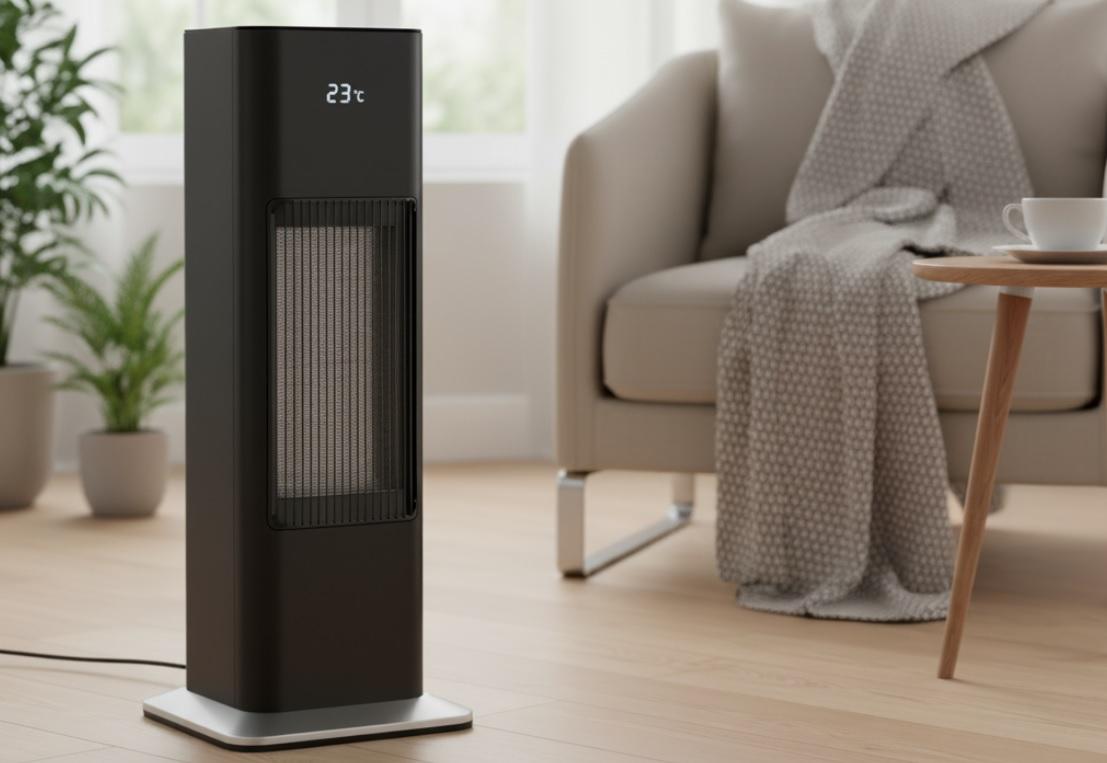
You feel that chill in the air the moment you step into your living room. The central heating just isn't cutting it, or maybe your apartment doesn't have it at all. You need something that warms up your space fast, runs quietly, and won't send your electric bill through the roof. That's where a good indoor electric heater comes in.
But not all heaters are same. Some blow hot air for five minutes and then shut off. Others make a noise like a jet engine. A few even feel unsafe to leave running while you sleep. After sorting through hundreds of models and reading thousands of real customer reviews, we've found the best indoor electric heaters you can actually trust in 2026.
These are the ones that last through winter after winter, and the ones that heat a room without turning your home into a sauna. All of them are widely available, highly rated, and built with safety and comfort in mind.
Types of Indoor Electric Heaters
Before you pick one, it helps to know the main kinds you'll see:
- Ceramic heaters use a ceramic plate to generate heat. They warm up fast, stay cool to the touch on the outside, and are great for small to medium rooms.
- Infrared heaters warm objects and people directly, not the air. They feel cozy right away and work well in drafty spaces or garages.
- Oil-filled radiators take longer to heat up but hold warmth for hours-even after you turn them off. They're silent and perfect for bedrooms.
- Fan-forced heaters blow hot air quickly but can be noisy. Good for quick warmth in offices or basements.
Your choice depends on your room size, how long you need heat, and whether you care more about speed or silence.
Top Indoor Electric Heaters of 2026
1. Lasko 755320 Ceramic Space Heater
This is the heater most people recommend to their friends. It's compact, powerful, and packed with smart features. The built-in thermostat keeps your room at a steady temperature, and the oscillating feature spreads heat evenly across the space.
You can set a timer for 1 to 8 hours, so it turns off while you sleep. The remote control means you don't have to get up to adjust settings. Plus, the top handle makes it easy to carry from room to room. Many users say it heats a 150-square-foot room in under 10 minutes.
Pros:
- Oscillating function for even heat
- Includes remote control
- Overheat protection and tip-over switch
- Quiet on low setting
Cons:
- Fan can be loud on high setting
- Plastic casing feels a bit lightweight
- Not ideal for large rooms over 200 sq ft
2. De'Longhi TRD40615E Oil-Filled Radiator
If you want silent, steady heat all night, this oil-filled radiator is hard to beat. It doesn't use a fan, so there's zero noise-just gentle, consistent warmth that builds slowly and lasts.
You get three heat settings and a built-in thermostat. The wheels let you roll it easily from bedroom to living room. Once it's warm, it keeps radiating heat even after power-off, which helps save energy. People love using it in bedrooms because it doesn't dry out the air or make noise.
Pros:
- Completely silent operation
- Stays warm after turning off
- Safe to touch-great for homes with kids or pets
- Energy-efficient for long-term use
Cons:
- Takes 15-20 minutes to feel warm
- Bulky and heavy (about 22 lbs)
- No fan for quick heat
3. Dr. Infrared Heater DR-968
This infrared heater combines two heating methods: infrared quartz tubes and a convection fan. The result? Fast warmth that also lasts. It's one of the few heaters that feels warm the second you turn it on, thanks to infrared rays hitting your skin directly.
You can run it in "eco" mode, which automatically adjusts power based on room temperature. The digital display and remote make it easy to control. Many users say it's perfect for garages, basements, or drafty older homes where regular heaters struggle.
Pros:
- Heats up instantly with infrared
- Eco mode saves electricity
- Cool-to-touch exterior
- Covers up to 1,000 sq ft (in well-insulated spaces)
Cons:
- More expensive than basic models
- Fan can be noticeable in quiet rooms
- Best in medium to large rooms-not for tiny spaces
4. Honeywell UberHeat HZ-789 EnergySmart Heater
Honeywell built this ceramic heater with efficiency in mind. It uses 35% less energy than standard models while still delivering strong heat. The "EnergySmart" technology adjusts wattage based on how much heat your room actually needs.
You get two heat settings, a fan-only mode for summer, and a 24-hour timer. The compact size fits under desks or in tight corners. Safety features include overheat protection and automatic shut-off if it tips over. It's a favorite for home offices and small apartments.
Pros:
- Uses less electricity
- Compact and portable
- Fan-only mode adds versatility
- Stays cool on the outside
Cons:
- Not powerful enough for large rooms
- No remote control
- Basic design-no oscillation
5. Pelonis HF-0100PT Oil-Filled Radiator
This is a budget-friendly oil-filled radiator that doesn't cut corners. It has a 1,500-watt output, three heat settings, and a built-in thermostat. The wheels and carry handle make it easy to move, and the cord wraps neatly underneath for storage.
You won't hear a sound while it runs-perfect for light sleepers. The surface stays warm but not hot, so it's safer around curious hands or paws. Many renters choose this because it's reliable, quiet, and doesn't require installation.
Pros:
- Affordable price
- Silent and safe
- Good for bedrooms or nurseries
- Retains heat after shutdown
Cons:
- Slower to warm up
- No digital display or remote
- Heavier than ceramic models
How to Choose the Right Heater for Your Home
Start by asking yourself a few simple questions:
- What size is the room you want to heat?
- Do you need quick heat or steady warmth over hours?
- Will you run it while sleeping or while you're away?
- Is noise a problem in your space?
For small rooms (under 150 sq ft), a ceramic heater like the Lasko or Honeywell works great. For bedrooms where silence matters, go with an oil-filled radiator like the De'Longhi or Pelonis. If you have a large, drafty space or need instant warmth, the Dr. Infrared model is your best bet.
Always check for safety features: tip-over switch, overheat protection, and cool-touch housing. These aren't just extras-they're must-haves, especially if you have kids, pets, or plan to leave the heater on unattended.
Common Mistakes People Make
One big mistake is buying a heater that's too small for the room. A 750-watt unit won't heat a 300-square-foot living room-it'll run constantly and still feel cold. Match the wattage to your space: 1,500 watts for rooms up to 150 sq ft is standard.
Another error is placing the heater too close to furniture, curtains, or bedding. Even "cool-touch" models need breathing room. Keep at least three feet of clearance on all sides.
Finally, don't ignore the cord. Cheap heaters sometimes have thin cords that get hot. Look for models with thick, grounded plugs and UL certification for safety.
Conclusion
A good indoor electric heater shouldn't be a fire hazard, a noise machine, or an energy hog. It should make your space comfortable without making you worry. The five models listed here have earned trust through real-world use thousands of people rely on them every winter and keep coming back.
Maybe you need instant heat for your home office, gentle quiet warmth in your bedroom, or something strong enough to take the chill out of a basement. No matter your setup, there's a heater here that suits your day-to-day life.
Comparison Table: Best Indoor Electric Heaters of 2026
| Model | Type | Room Size | Key Feature | Price Range |
|---|---|---|---|---|
| Lasko 755320 | Ceramic | Up to 150 sq ft | Oscillation + remote | $ |
| De'Longhi TRD40615E | Oil-filled | Up to 150 sq ft | Silent, long-lasting heat | $$ |
| Dr. Infrared DR-968 | Infrared + convection | Up to 1,000 sq ft* | Instant warmth + eco mode | $$$ |
| Honeywell HZ-789 | Ceramic (EnergySmart) | Up to 150 sq ft | 35% less energy use | $ |
| Pelonis HF-0100PT | Oil-filled | Up to 150 sq ft | Budget-friendly & quiet | $ |
*Dr. Infrared coverage assumes well-insulated space; actual performance varies.
Price guide: $ = under $60, $$ = $60-$120, $$$ = over $120


