




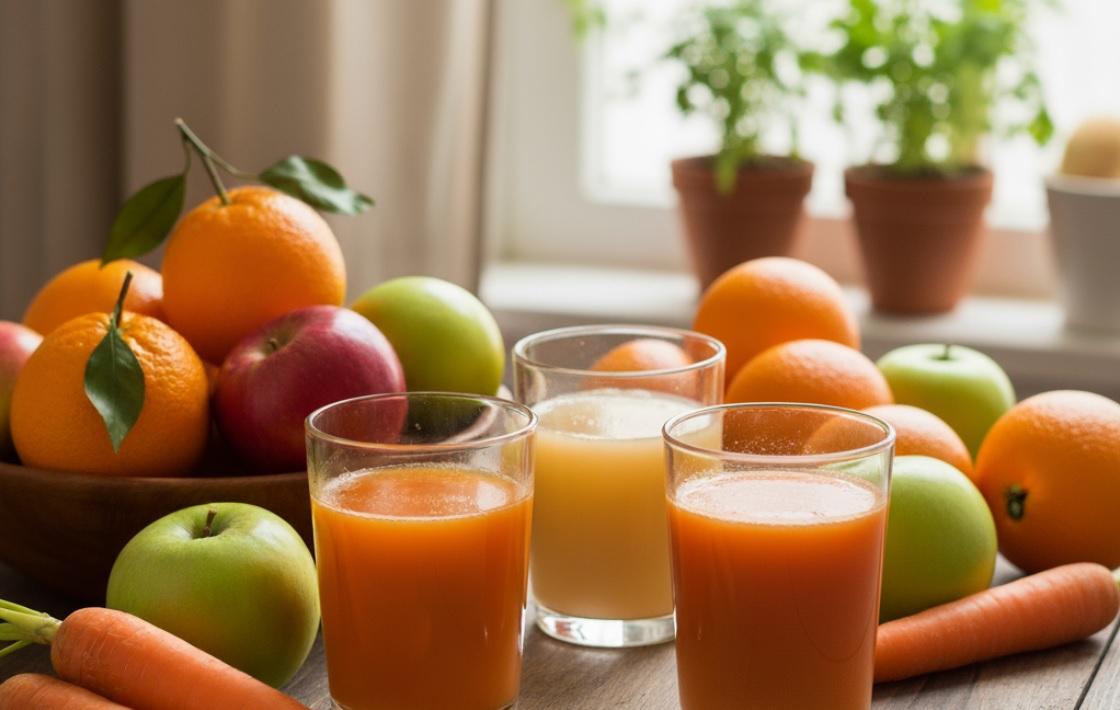
Making fresh juice at home sounds simple. Toss in some fruit or veggies, press a button, and enjoy. But not all juicers work the same way. Some leave behind dry pulp and rich liquid. Others waste half your produce and leave you frustrated. You deserve a machine that actually delivers on the promise of fresh, tasty, and nutritious juice without turning your kitchen into a cleanup nightmare.
Not all juicers are worth your counter space. Here's how to choose one that's worth the money and the cleanup.
Why Use a Juicer Instead of Blending?
You might wonder why not just use a blender. Blenders keep the fiber, which is great for smoothies. But juicers separate the liquid from the pulp, giving you a smoother drink that's easier to digest. This also means your body absorbs vitamins and minerals faster. If you want to drink your greens or get a quick nutrient boost without chewing through a salad, juicing makes sense.
Plus, fresh juice tastes different-cleaner, brighter, and more intense. Once you try carrot-ginger or apple-kale straight from your own machine, store-bought bottles won't compare.
The Main Types of Juicers
There are three common types of juicers you'll see in stores: centrifugal, masticating (also called cold press or slow juicers), and citrus juicers. Each works differently and suits different needs.
Centrifugal Juicers
These are the fastest and most common juicers. They use a spinning blade that shreds produce and then spins it at high speed to separate juice from pulp. Think of it like a washing machine on spin cycle-but for fruits and vegetables.
You'll get juice in seconds, which is perfect if you're in a rush. They handle hard produce like apples, carrots, and beets well. Most models are affordable and easy to find.
But there's a downside. The high speed creates heat and foam, which can slightly reduce nutrient quality. They also struggle with leafy greens like kale or spinach-those often come out mostly dry with little juice.
- Best for: Beginners, busy mornings, hard fruits and veggies
- Speed: Very fast (under 1 minute per glass)
- Noise level: Loud (like a vacuum cleaner)
- Cleaning: Moderate-some parts are dishwasher-safe
Masticating Juicers (Cold Press)
These work slower but smarter. Instead of spinning, they crush and press produce using a single auger (a screw-like part). This gentle process extracts more juice, especially from leafy greens, wheatgrass, and soft fruits like berries.
Because they run at low speeds, they don't generate much heat or foam. That means your juice keeps more enzymes and nutrients. Many people say the taste is richer and lasts longer in the fridge-up to 72 hours vs. 24 for centrifugal juice.
The trade-off? They take more time. Juicing a full glass might take 3-5 minutes. They're also heavier, pricier, and require more careful cleaning. But if you juice often or care about maximum nutrition, they're worth it.
- Best for: Daily juicers, leafy greens, wheatgrass, nutrient-focused users
- Speed: Slow (3-5 minutes per glass)
- Noise level: Quiet (like a soft hum)
- Cleaning: More involved-brushes often needed
Citrus Juicers
If you only want orange, lemon, or grapefruit juice, a citrus juicer is perfect. These are small, simple, and cheap. You cut the fruit in half, press it onto a cone, and twist or press down. Some are manual; others are electric.
They don't work with anything else-no carrots, no kale, no apples. But for fresh-squeezed OJ every morning, nothing beats them. Cleanup takes seconds, and they store easily.
- Best for: Citrus lovers, small kitchens, occasional use
- Speed: Instant
- Noise level: Very quiet (manual) or low (electric)
- Cleaning: Very easy-just rinse the cone
Key Features to Consider
Once you know the type you want, look at these details to narrow your choice.
Power (Wattage)
Centrifugal juicers usually range from 700W to 1200W. Higher wattage means faster juicing and better handling of tough produce. Masticating juicers use less power (150W-300W) because they rely on pressure, not speed. Don't judge them by wattage alone-efficiency matters more.
Feed Chute Size
A wide feed chute (3 inches or more) lets you drop in whole apples or large carrot chunks. That saves prep time. Narrow chutes (under 2 inches) mean you'll spend minutes cutting everything into small pieces. If you hate prep work, go wide.
Juice Yield and Dryness of Pulp
After juicing, check the pulp. If it's still wet, your machine wasted juice. Good juicers leave behind dry, crumbly pulp. Masticating models usually win here, but some high-end centrifugal juicers also perform well.
Ease of Cleaning
You won't use your juicer if cleaning feels like a chore. Look for models with fewer parts, dishwasher-safe components, and smooth surfaces (no tiny crevices where pulp hides). Some even include cleaning brushes.
Size and Storage
Kitchen counter space is precious. Measure your available area before buying. Centrifugal juicers are often tall and wide. Masticating ones can be long and heavy. Citrus juicers tuck away in a drawer.
Noise Level
If you juice early in the morning or live in a small apartment, noise matters. Centrifugal juicers can wake up the whole house. Masticating and citrus models are much quieter.
Top Juicer Picks Based on Real User Feedback
We looked at models with thousands of verified reviews and consistent high ratings. These are the ones people actually use-and love.
Best Overall Centrifugal Juicer: Breville Juice Fountain Cold
This juicer combines speed, power, and smart design. It has a 3-inch feed chute, so you skip most chopping. The 850-watt motor handles apples, beets, and celery with ease. A special "cold spin" technology reduces heat buildup, helping preserve nutrients better than most centrifugal models.
Users praise its fast cleanup and sturdy build. Many say it's lasted over five years with daily use.
- Pros: Fast, wide chute, good juice yield, durable
- Cons: Loud, not great for leafy greens
Best Masticating Juicer: Omega NC900HDC
This is a workhorse. It uses a dual-stage auger to squeeze every drop from greens, carrots, apples, and even nuts (yes, you can make almond butter!). Juice comes out smooth and foam-free. The pulp is bone-dry, which means you get more from your produce.
It's heavy and takes time to assemble, but loyal users say it's worth the effort. Some have used the same unit for over a decade.
- Pros: High yield, quiet, versatile (can make nut milk, pasta, baby food), long-lasting
- Cons: Slow, bulky, higher price
Best Budget Juicer: Hamilton Beach Big Mouth Pro
If you're new to juicing or don't want to spend much, this is a solid starter. It has a wide feed chute, 1100 watts of power, and costs less than most blenders. It handles hard fruits and veggies well and cleans up quickly.
Reviewers love the value. It's not perfect-leafy greens don't juice well, and it's loud-but for under $100, it delivers.
- Pros: Affordable, powerful, easy to use, wide chute
- Cons: Noisy, poor with greens, shorter lifespan
Best Citrus Juicer: Black+Decker CJ625
This electric citrus juicer has adjustable pulp control-choose smooth or with bits. The cone fits all citrus sizes, from limes to grapefruits. It's compact, easy to clean, and starts with one press.
People use it daily for fresh orange juice and say it's reliable and simple.
- Pros: Pulp control, fits all citrus, compact, affordable
- Cons: Only for citrus, small juice cup
Important Tips
Once you have your juicer, follow these tips to make juicing easier and more enjoyable.
- Wash produce first. Dirt and pesticides can end up in your juice.
- Alternate soft and hard items. In centrifugal juicers, push a carrot after spinach to help push greens through.
- Drink juice right away. Nutrients start breaking down as soon as it's exposed to air.
- Rinse parts immediately. Dried pulp is harder to clean. A quick rinse after use saves time later.
- Use pulp creatively. Add it to soups, muffins, or compost it.
Mistakes to Avoid
Many people give up on juicing because of simple errors. Don't fall into these traps.
Putting whole fruits with seeds or pits into the juicer can damage blades. Always remove large seeds, pits, and tough rinds (like pineapple skin). Overloading the feed chute causes jams-add produce slowly. And never run the juicer empty; it can overheat.
Also, don't expect weight loss miracles from juice alone. Juicing is a tool, not a magic solution. Pair it with a balanced diet and regular movement.
Frequently Asked Questions (FAQ)
How often should I clean my juicer?
Clean it after every use. Pulp dries quickly and becomes sticky or moldy. Most parts rinse easily under warm water. For masticating juicers, use the included brush to clean the screen.
Can I juice leafy greens in a centrifugal juicer?
You can, but you'll get very little juice. The greens often just get shredded and end up in the pulp bin. For kale, spinach, or wheatgrass, a masticating juicer works much better.
How long does fresh juice last?
Centrifugal juice should be drunk within 24 hours. Masticating (cold-pressed) juice can last up to 72 hours in a sealed container in the fridge. Still, fresher is always better.
Do I need to peel fruits and vegetables?
Not always. Apples, carrots, and cucumbers can go in with skin on (just wash well). But remove citrus peels, melon rinds, and pineapple skin-they're bitter or hard to process.
Is juicing expensive?
It can be, if you buy organic produce daily. But you can save by using seasonal fruits, buying in bulk, or using "ugly" produce that's cheaper. Also, compare the cost to store-bought cold-pressed juice-it's often far more expensive per ounce.
Can I make nut milk with a juicer?
Only certain masticating juicers can do this, like the Omega NC900HDC. You soak nuts overnight, blend them with water, then run the mixture through the juicer. Centrifugal models can't handle it.


