




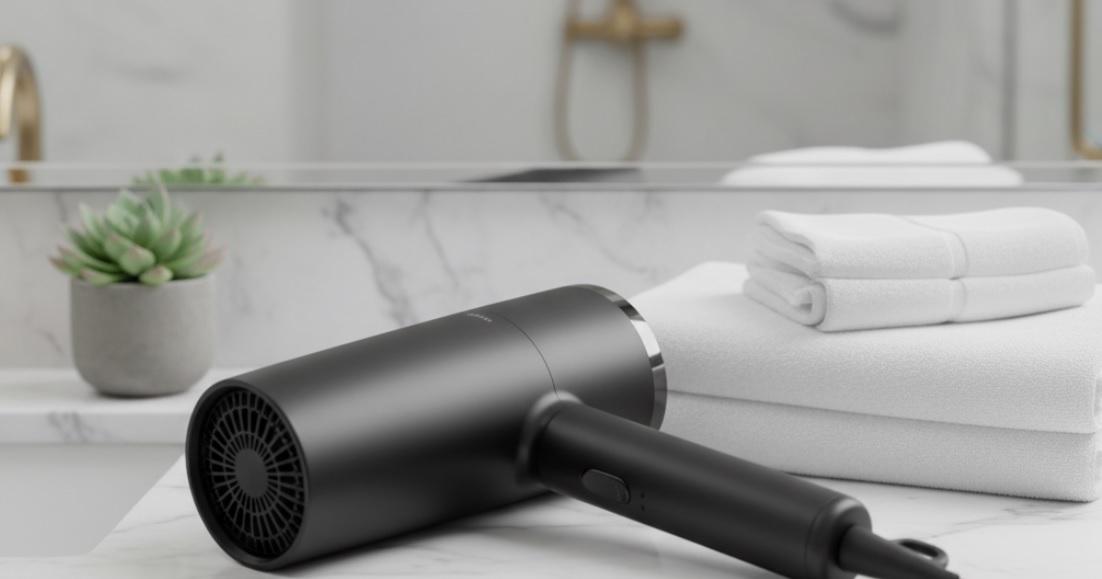
Choosing a hair dryer might feel like grabbing the cheapest one off the shelf. It's just hot air, after all. But here's the thing: some dryers leave your hair smooth and soft, while others leave it frizzy, brittle, or fried-even if you're doing everything else right. If your hair feels rough or looks dull after drying, the tool in your hand might be the real issue.
This guide gives you what you need to know before buying a new dryer. We'll cover the main types, which features matter (and which don't), and how to find one that works with your hair and not against it.
Why Your Hair Dryer Matters More Than You Think
A good hair dryer does more than just dry your hair quickly. It helps protect your strands from heat damage, reduces frizz, adds shine, and can even cut down your styling time. On the flip side, a cheap or poorly designed dryer can leave your hair brittle, dull, and harder to manage.
You spend money on shampoos, conditioners, and treatments-so why settle for a tool that works against all that effort? Investing in a quality dryer is one of the easiest ways to improve your daily hair routine.
Key Features to Consider Before Buying
Before you click "Add to Cart," take a moment to think about what really matters for your hair. Here are the most important features to keep in mind:
Wattage: Power Isn't Everything, But It Helps
Most hair dryers range from 1,200 to 2,000 watts. Higher wattage means faster drying, which sounds great-especially on busy mornings. But if you have fine or thin hair, too much power can cause damage. For thick, coarse, or curly hair, a higher-wattage dryer (1,800-2,000 watts) will save you time and give better results.
If your hair is delicate or already damaged, look for a model around 1,600 watts. Many dryers also offer multiple heat and speed settings, so you can adjust the power based on your needs.
Heat and Speed Settings: Control Is Key
At a minimum, your dryer should have two heat settings (high and low) and two speed settings (fast and slow). Some models go even further with cool-shot buttons or precise temperature dials.
- High heat works well for thick or wet hair but can be too harsh for fine strands.
- Low heat is gentler and better for finishing or delicate hair.
- High speed dries faster but may cause more frizz.
- Low speed gives you more control for styling.
- Cool shot locks in your style by sealing the hair cuticle-great for adding shine and reducing frizz.
Ionic Technology: Less Frizz, More Shine
Many modern dryers use ionic technology. These dryers emit negative ions that break up water molecules faster, which means your hair dries quicker with less heat. The result? Smoother, shinier hair with less static and frizz.
If you struggle with frizz or live in a humid climate, an ionic dryer is worth considering. Just keep in mind that all hair types benefit from reduced drying time-even if you don't have curly or coarse hair.
Ceramic, Tourmaline, or Titanium? What's the Difference?
The material inside the dryer's heating element affects how evenly and gently it dries your hair.
- Ceramic heats up quickly and distributes heat evenly. It's gentle on most hair types and common in mid-range dryers.
- Tourmaline is a gemstone that, when crushed and used in dryers, boosts ionic output. Tourmaline dryers often combine ceramic for even better results-great for frizz control and shine.
- Titanium heats up the fastest and stays hot consistently. It's ideal for very thick or coarse hair but can be too intense for fine or damaged hair.
For most people, a ceramic or tourmaline dryer offers the best balance of performance and hair protection.
Weight and Ergonomics: Comfort Matters
You might not think about it until your arm gets tired halfway through drying, but weight matters. Professional dryers are powerful but often heavier. If you have long hair or dry your hair daily, look for a lightweight model (under 1.5 pounds).
Also check the handle. It should feel comfortable in your hand and have a non-slip grip, especially if your hands get wet in the bathroom. A well-balanced dryer reduces wrist strain and makes styling easier.
Attachments: Nozzle and Diffuser
Most dryers come with at least two attachments:
- Concentrator nozzle focuses the airflow for precise styling-perfect for smoothing straight hair or creating volume at the roots.
- Diffuser spreads the air evenly to enhance natural curls or waves without disrupting their shape. If you have curly or wavy hair, a good diffuser is essential.
Some high-end models include multiple nozzle sizes or specialized diffusers with fingers to lift roots. Make sure the attachments click on securely and are easy to switch.
Match the Dryer to Your Hair Type
Your hair type should be the biggest factor in your decision. Here's how to choose based on what you're working with:
Fine or Thin Hair
Fine hair heats up quickly and is prone to damage. Avoid high-wattage dryers (stick to 1,600 watts or less) and always use low or medium heat. Look for ionic or ceramic models that dry gently. A concentrator nozzle helps add volume without weighing hair down.
Thick or Coarse Hair
Thick hair takes longer to dry and needs more power. Go for 1,800-2,000 watts with multiple heat settings. Titanium or tourmaline dryers work well here. Use the high heat setting to start, then switch to cool air to set your style.
Curly or Wavy Hair
Your goal is to define curls without causing frizz. A diffuser is non-negotiable. Look for a dryer with a strong diffuser attachment and ionic technology to reduce static. Medium heat and low speed help preserve your curl pattern. Avoid brushing while drying-scrunch instead.
Color-Treated or Damaged Hair
Chemically treated hair is more fragile. Choose a dryer with low heat options, ceramic or tourmaline elements, and ionic features. Always finish with a cool shot to seal the cuticle and lock in moisture.
Other Practical Considerations
Cord Length
A short cord can be frustrating, especially if your bathroom outlet is far from the mirror. Look for a dryer with at least a 6-foot cord. Some professional models offer 9 feet or more, giving you plenty of room to move.
Noise Level
Not all dryers are created equal when it comes to sound. If you live with others or have young kids, a quieter model might be worth the extra cost. Check reviews for mentions of noise-some brands specifically design for lower decibel output.
Price vs. Value
You can find dryers for under $20, but they often lack key features and may not last long. On the other hand, professional models can cost $200 or more. For most people, a mid-range dryer ($50-$120) offers the best mix of performance, durability, and features.
Think of it like buying shoes: you don't need the most expensive pair, but you do want something that fits well and lasts.
Brand Reputation and Warranty
Stick with brands known for quality hair tools-like Dyson, Revlon, Conair, BaByliss, or T3. Read customer reviews, especially ones that mention long-term use. A good warranty (at least one year) shows the manufacturer stands behind their product.
Common Mistakes
- Using the highest heat setting all the time. This dries out your hair and causes breakage. Start high if needed, then drop to medium or low.
- Holding the dryer too close. Keep it at least 6 inches from your scalp to avoid burns and damage.
- Skipping the cool shot. That blast of cold air isn't just for show-it sets your style and adds shine.
- Not cleaning the filter. Dust and lint build up over time, reducing airflow and making the motor work harder. Clean it monthly.
Bottom Line
Even the best dryer won't give great results if you use it wrong. Here's how to get the most out of yours:
- Towel-dry your hair first. Remove excess water with a microfiber towel-never rub harshly.
- Section your hair for even drying, especially if it's long or thick.
- Move the dryer constantly. Don't hover in one spot-that's how hot spots and damage happen.
- Let your hair cool completely before brushing or styling further.
FAQ
How often should I replace my hair dryer?
Most dryers last 3-7 years with regular use. If it's making strange noises, taking much longer to dry, or overheating, it's time for a new one.
Can a hair dryer cause hair loss?
Not directly. But excessive heat can weaken hair strands, leading to breakage that looks like thinning. Always use heat protectant and avoid the highest settings.
Is a diffuser really necessary for curly hair?
Yes. Without a diffuser, the direct airflow from a dryer can separate curls and create frizz. A diffuser preserves your natural pattern.
What's the difference between a regular and a professional hair dryer?
Professional dryers usually have more power, better motors (AC instead of DC), longer cords, and more durable construction. They're built for daily use in salons but can be great for home use too-if you're willing to pay more.
Should I buy a Dyson hair dryer?
Dyson dryers are powerful, quiet, and lightweight, but they're also very expensive. They're a good choice if you want top performance and don't mind the price. However, many other brands offer similar benefits for less.
How do I clean my hair dryer?
Unplug it first. Remove the rear filter (usually twists off) and rinse it under water. Let it dry completely before reattaching. Wipe the outside with a damp cloth-never submerge the dryer.


