




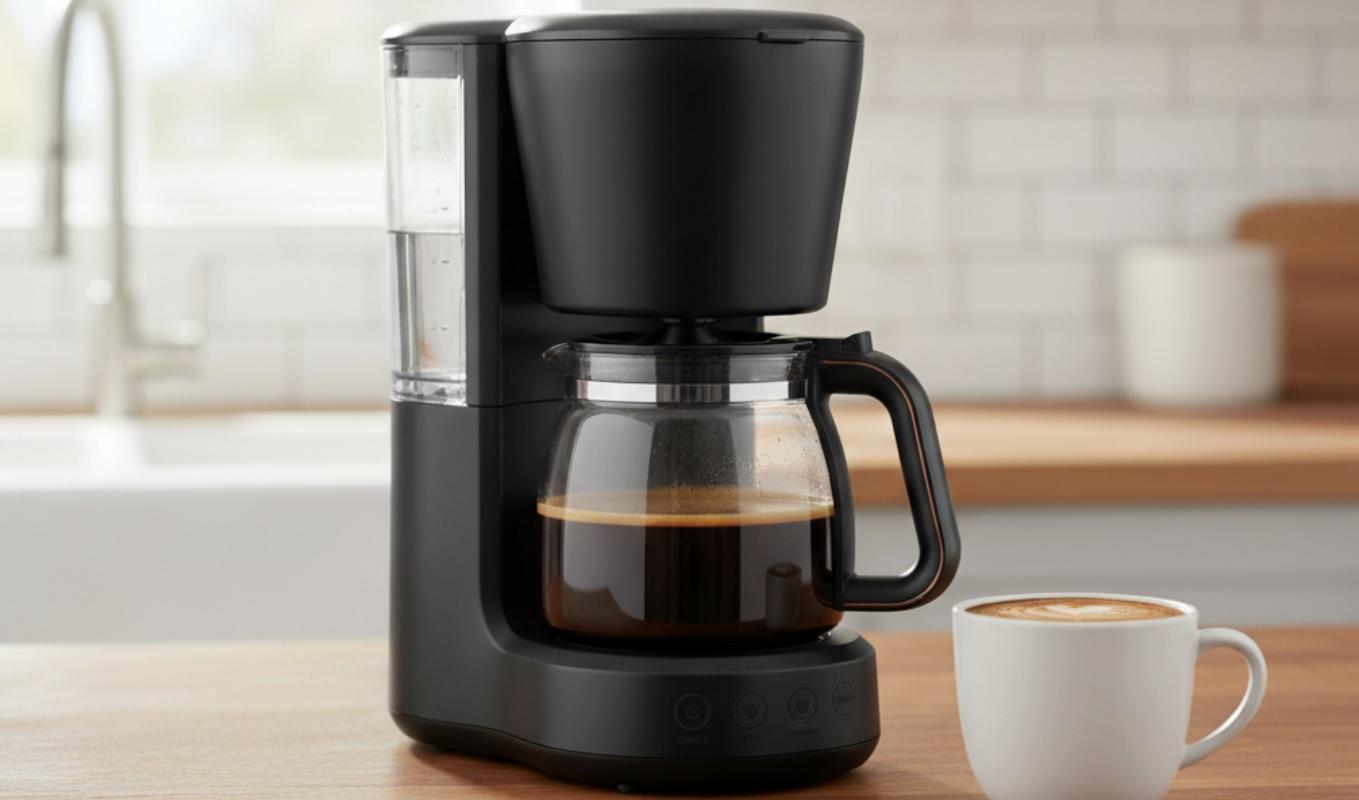
Walk into any store or browse online, and you'll see dozens of options. Some are sleek and high-tech. Others are simple and reliable. The truth is, the best coffee maker for you depends on your habits, your kitchen space, and how much time you want to spend making coffee each morning.
You don't have to be a coffee pro to make great coffee at home. This guide explains the main types of coffee makers, key features to look for, and tips to avoid common pitfalls.
Understand Your Coffee Habits First
Before you look at brands or prices, ask yourself a few simple questions:
- How many cups do you drink each day?
- Do you prefer strong espresso or a smooth drip coffee?
- Are you in a rush every morning, or do you enjoy a slow ritual?
- Do you live alone, or do you need to serve a crowd?
Your answers will point you toward the right type of machine. Someone who drinks one quick cup before work needs something different than a person who hosts weekend brunches.
Types of Coffee Makers Explained
Not all coffee makers work the same way. Each type has its own strengths and weaknesses. Let's break them down so you know what to expect.
Drip Coffee Makers
Drip machines are the most common in American homes. They're simple, reliable, and great for making several cups at once. You add water to a reservoir, put a paper or reusable filter in the basket, add ground coffee, and press start. Hot water drips through the grounds and into a carafe below.
Most drip coffee makers come with a glass carafe and a warming plate. Some have thermal carafes that keep coffee hot without electricity. If you drink more than two cups a day or share your coffee with others, a drip machine is probably your best bet.
Single-Serve Pod Machines
These machines use pre-packaged coffee pods or capsules. You pop one in, press a button, and get a single cup in under a minute. They're perfect if you only drink one cup a day or want different flavors without buying multiple bags of beans.
Popular brands include Keurig and Nespresso. Keep in mind that pods create more waste unless you use reusable ones. Also, the cost per cup can add up over time. But for speed and convenience, nothing beats a pod machine.
Espresso Machines
If you love lattes, cappuccinos, or strong shots of espresso, you'll need an espresso machine. These force hot water through finely ground coffee under high pressure. The result is a rich, concentrated brew with a layer of crema on top.
Espresso machines range from simple manual models to fully automatic ones. Manual machines give you more control but require practice. Automatic machines do most of the work for you but cost more. Think about how serious you are about espresso before investing.
French Press
A French press isn't a machine with buttons or cords. It's a simple glass or stainless steel pot with a plunger and metal filter. You add coarse coffee grounds, pour in hot water, wait four minutes, then press the plunger down.
This method gives you full control over strength and flavor. The coffee is rich and full-bodied because the metal filter lets natural oils pass through. Cleanup is easy, and there's no electricity needed. If you enjoy a hands-on approach and don't mind waiting a few minutes, a French press is a great choice.
Pour-Over and Manual Brewers
Pour-over coffee involves slowly pouring hot water over coffee grounds in a cone-shaped filter. Popular devices include the Chemex and Hario V60. This method produces clean, bright coffee with clear flavor notes.
You need a kettle with a narrow spout for best results. It takes practice to get the water flow and timing just right. Pour-over is ideal for coffee lovers who treat brewing like a quiet morning ritual.
Cold Brew Systems
Cold brew is made by steeping coffee grounds in cold water for 12 to 24 hours. The result is smooth, less acidic coffee that's perfect for iced drinks. Dedicated cold brew makers look like large pitchers with built-in filters.
If you live in a hot climate or prefer iced coffee year-round, this system saves time and delivers consistent results. You can also make cold brew in a French press or mason jar, but a dedicated system makes it easier.
Key Features to Consider
Once you've picked a type, look closely at the features. Small details can make a big difference in your daily routine.
Capacity
How many cups do you really need? Most machines list capacity in "cups," but coffee cups are usually 5 to 6 ounces-not the standard 8-ounce mug. A 12-cup machine makes about 60 ounces, which fills five large mugs.
If you live alone, a 4- to 6-cup model might be plenty. For families or frequent guests, go bigger. Single-serve machines solve this problem by making one cup at a time.
Brew Time
Some machines brew faster than others. Drip coffee makers usually take 5 to 10 minutes. Pod machines are ready in under a minute. Espresso machines vary-manual ones take longer, while super-automatic models are quick.
If you're always running late, speed matters. Look for models with "fast brew" or "quick start" features.
Programmable Settings
Many drip and espresso machines let you set a timer. You can fill the machine the night before and wake up to fresh coffee. Some even let you choose brew strength or temperature.
These features add convenience but also cost. Decide if they're worth it for your routine.
Water Filtration
Hard water can affect taste and damage your machine over time. Some coffee makers include built-in water filters that remove minerals and chlorine. If your tap water isn't great, this feature helps improve flavor and extend the life of your machine.
Size and Design
Measure your counter space before buying. Some machines are tall and narrow, others wide and short. Think about where you'll store it and whether it fits with your kitchen style.
Also consider the carafe. Glass carafes are common but breakable. Thermal carafes keep coffee hot longer and are more durable.
Ease of Cleaning
Coffee oils build up over time and can make your brew taste bitter. Look for machines with removable parts that go in the dishwasher. Some models even have self-cleaning cycles.
Pod machines are easy to wipe down but need regular descaling. French presses and pour-over brewers are simple to rinse but require daily cleaning.
Budget Matters - But Don't Go Too Cheap
Coffee makers range from $20 to over $1,000. You don't need to spend a fortune, but the cheapest models often have poor temperature control or weak heating elements. That means your coffee won't brew at the ideal 195-205°F, and the flavor suffers.
For drip machines, aim for $50-$150. Good pod machines start around $80. Entry-level espresso machines begin at $150, but quality semi-automatic models cost $300-$600. French presses and pour-over brewers are affordable-usually under $40.
Think of your coffee maker as a long-term investment. A reliable machine that lasts five years costs less per cup than a cheap one you replace every year.
Top Mistakes to Avoid
Even experienced coffee drinkers make these common errors when buying a new machine:
- Ignoring water quality. Bad water ruins good coffee. Use filtered water if your tap isn't clean.
- Buying the wrong grind. Pre-ground coffee is convenient, but it loses flavor fast. If you can, grind beans just before brewing. Match the grind size to your machine-fine for espresso, coarse for French press.
- Skipping maintenance. Clean your machine every month. Run vinegar or a descaling solution through it to remove mineral buildup.
- Overlooking warranty. A good warranty (at least one year) shows the brand stands behind its product.
Frequently Asked Questions (FAQ)
How often should I clean my coffee maker?
Clean removable parts after every use. Run a full descaling cycle every 1-3 months, depending on how hard your water is and how often you brew.
Can I use tap water in my coffee maker?
You can, but filtered water gives better flavor and helps your machine last longer. Hard water causes scale buildup that clogs internal parts.
What's the difference between a thermal carafe and a glass carafe?
A thermal carafe is insulated and keeps coffee hot for hours without a warming plate. A glass carafe sits on a hot plate, which can burn the coffee if left too long.
Do I need to buy special pods for my single-serve machine?
Most pod machines work best with brand-specific capsules, but many accept reusable pods that you fill with your own ground coffee. Check compatibility before buying.
How long should a coffee maker last?
A well-maintained machine should last 5 to 10 years. Cheaper models may only last 2 to 3 years. Regular cleaning and using filtered water help extend its life.
Is a more expensive coffee maker always better?
Not always. Price often reflects extra features, not necessarily better coffee. A $100 drip machine from a trusted brand can outperform a $300 model with poor temperature control.


